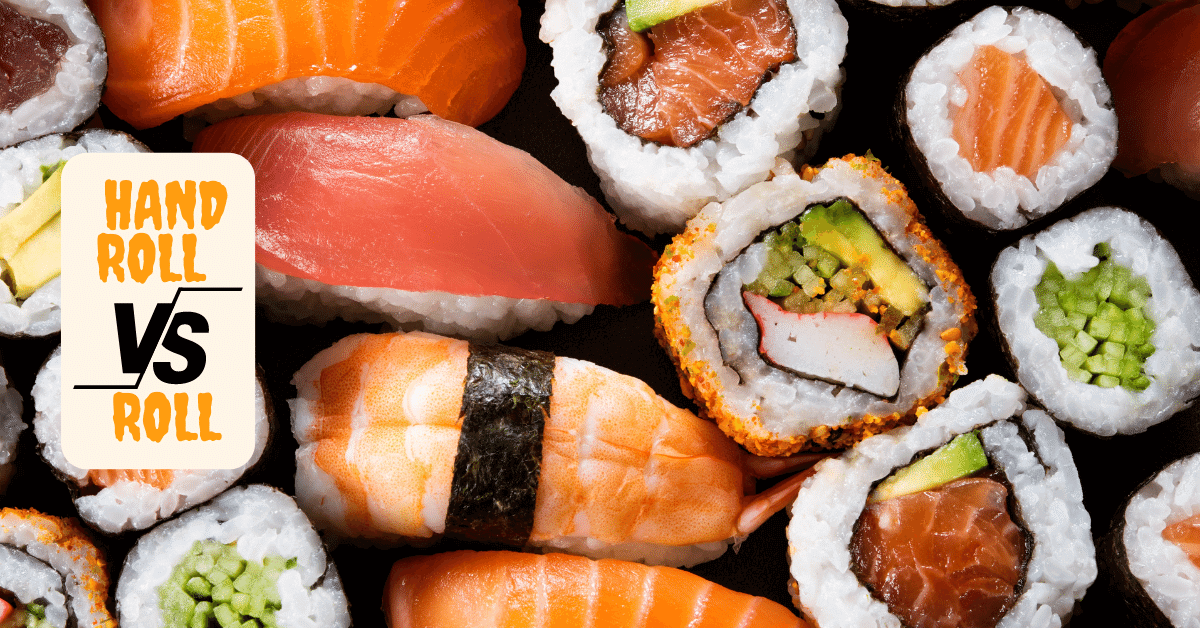
When it comes to sushi, two primary forms dominate the culinary landscape: the traditional roll and the more unconventional hand roll. Both styles are celebrated for their unique flavors and textures, yet they embody distinct philosophies in the art of sushi-making. This exploration into the world of sushi will not only unravel the intricacies of roll versus hand roll sushi, but it will also promise a shift in your perception of these beloved delicacies.
Understanding Sushi Basics
Before diving into the nuances of rolls and hand rolls, it’s essential to understand what sushi fundamentally entails. At its core, sushi is a Japanese dish featuring vinegared rice paired with various ingredients, including fish, vegetables, and even fruit. The interplay between the seasoned rice and the accompaniments creates a symphony of flavors that exemplifies the artistry of this cuisine.
The Traditional Roll: A Classic Delight
Roll sushi, or maki sushi, refers to pieces of sushi rolled in nori, a seaweed wrapper, along with fillings such as fish, vegetables, and sometimes even exotic ingredients like cream cheese. The process is methodical and requires both skill and precision. Each roll is carefully crafted, yielding several bite-sized pieces that present an appealing exterior.
- Types of Rolls: The world of roll sushi is vast. Popular varieties include the California roll, spicy tuna roll, and dragon roll. Each type embodies distinct flavors, textures, and visual appeal, offering aficionados ample choices to tantalize their taste buds.
- The Art of Presentation: Rolls tend to be meticulously presented, with vibrant ingredients showcased through the transparent nori. This makes them not just a meal, but an aesthetic experience, enhancing the enjoyment of every bite.
- Sharing Culture: Due to their uniform size, rolls are often ideal for sharing. Diners can sample a plethora of flavors in a communal setting, making them a hallmark of sushi restaurants and social gatherings alike.
Exploring the Hand Roll: A Personal Touch
In contrast, hand rolls, or temaki, are a more informal take on sushi. They feature a cone-shaped construct, where nori cradles the fillings without any slicing involved. The beauty of hand rolls lies in their simplicity and the hands-on experience they offer to the diner.
- Individual Customization: Hand rolls allow for personal expression. Diners can choose their favored ingredients, offering a tailor-made experience that aligns with individual tastes. This customization is rarely possible with traditional rolls.
- Textural Experience: The crispiness of the nori combined with the freshness of the fillings creates a delightful contrast. Each bite is an adventure, as the filling spills out, inviting a more tactile engagement with the food.
- Casual Dining: Hand rolls embody a casual yet sophisticated dining experience. They are perfect for on-the-go eating, allowing sushi enthusiasts to enjoy their meal without the confines of chopsticks or plates.
Comparative Analysis: Roll vs. Hand Roll
Upon examining both styles, it becomes evident that each has its merits and appeals to different sensibilities. The traditional roll is quintessential in its craft, delivering a refined experience that underscores the artistry of sushi-making. Meanwhile, the hand roll champions individual expression and casual enjoyment, welcoming diners into an interactive culinary journey.
Flavor Profiles and Ingredient Choices
The flavor profiles of roll and hand roll sushi often align, featuring an array of protein choices ranging from fresh sashimi-grade fish to vegan alternatives. However, the way these ingredients are utilized varies significantly. Rolls often use complementary ingredients within a confined space, culminating in a harmonious blend of flavors in each bite. In contrast, hand rolls allow each ingredient to shine independently, offering the diner a dynamic interplay of tastes in a single, handheld bite.
Cultural Relevance and Evolution
Historically, sushi has evolved significantly, influenced by cultural exchanges and globalization. Originally, sushi was a means of preservation, but over time, it metamorphosed into a celebrated culinary form. The rise of rolls can be attributed to Westernization and a desire for sushi that appeals to varying palates. On the other hand, hand rolls maintain a closer connection to traditional Japanese cuisine, retaining their authenticity while inviting experimentation.
Conclusion: A Sushi Adventure Awaits
The debate between roll and hand roll sushi transcends mere preference; it’s an exploration of culture, culinary technique, and personal expression. Whether you gravitate towards the intricately designed rolls or the free-spirited hand rolls, each form promises a unique experience. The next time you sit down to enjoy sushi, consider the deeper narratives behind your choice, and allow yourself to embark on a flavorful adventure that celebrates the rich tapestry of Japanese cuisine.











Leave a Comment