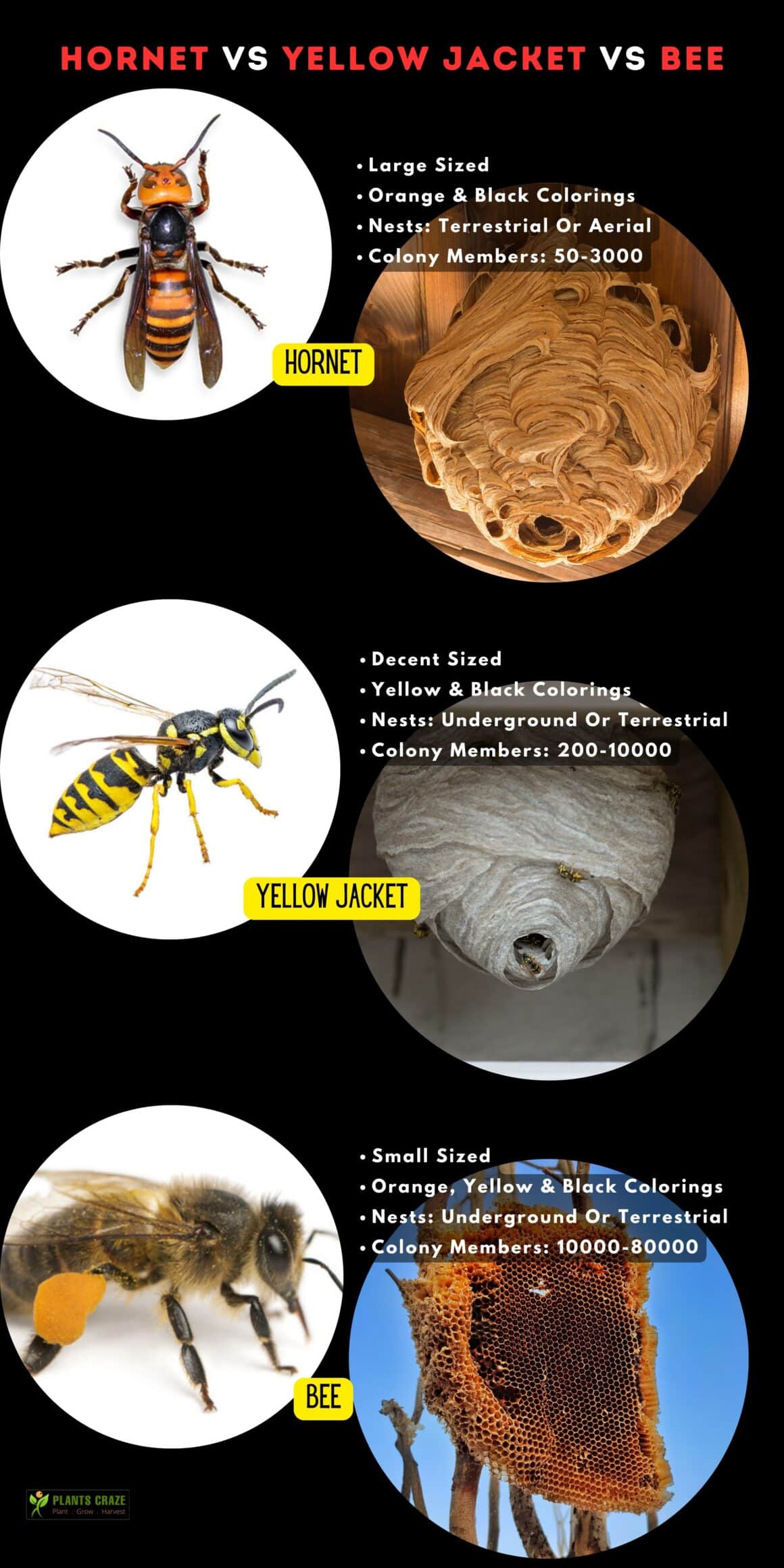
The world of insects is teeming with diversity, particularly when it comes to families of wasps, hornets, and yellow jackets. While these creatures might appear similar at a cursory glance, they exhibit distinct characteristics, behaviors, and ecological roles. Understanding the differences among hornets, wasps, and yellow jackets can assist in recognizing their habits, temperaments, and when to exercise caution in their presence. This exploration dives into their physical attributes, behavioral patterns, nests, and ecological significance.
1. Physical Characteristics
At first glance, one might confuse hornets, wasps, and yellow jackets due to their shared traits. However, subtle differences can help identify each one:
- Hornets: Generally larger than their counterparts, hornets possess robust bodies. Their heads are often slightly wider than their thoraxes, showcasing potent mandibles. A prominent example, the European hornet, exhibits a striking brown-and-yellow coloration.
- Wasps: With their elongated bodies and slender waists, wasps are the epitome of agility. They have a distinctive, smooth exoskeleton, and some species, like the paper wasp, flaunt a pearly yellow and black pattern which can be visually striking.
- Yellow Jackets: A subset of wasps, yellow jackets are easily recognizable by their vibrant yellow and black coloration. They have a more bulbous abdomen compared to other wasp species, which often protrudes into a slightly more rounded shape.
2. Behavioral Patterns
Each insect displays its own unique demeanor, impacting interactions with humans and other species:
- Hornets: Typically less aggressive unless provoked, hornets exhibit a more social nature. They collaborate in hunting to feed their larvae, often targeting other insects. Despite their fierce reputation, they are not as prone to aggression unless their nests are threatened.
- Wasps: Unlike hornets, wasps can be quite aggressive, especially during late summer when their food sources diminish. They feast on other insects, nectar, and sugary substances, making them frequent visitors to outdoor events. Their behavior can change rapidly, oscillating between docility and annoyance.
- Yellow Jackets: Renowned for their boldness, yellow jackets are notorious for scavenging. They are more likely to invade picnics, driven by an insatiable appetite for protein-rich foods. Their aggressive defense mechanisms mean they can sting multiple times, making them a serious concern when encountered.
3. Nest Structures
The architecture of these insects’ nests reveals much about their social structure and hierarchy:
- Hornets: Hornets construct nests from a papery pulp created by chewing wood fibers mixed with saliva. These nests are often large, and they can accommodate hundreds to thousands of individuals. Typically, they are built in trees or high places, often resembling large, hanging teardrops.
- Wasps: Similar to hornets, wasps create nests from chewed plant materials, resulting in a paper-like structure. However, their nests are generally smaller and can often be found under eaves, in the ground, or among shrubbery. Their construction is less intricate but still serves as protective housing.
- Yellow Jackets: Yellow jackets prefer to build their nests underground or within wall cavities. The nests are densely packed with combs. Their underground nests often have multiple entry points, making them difficult to detect until they become a problem.
4. Ecological Role
Each of these insects plays a pivotal role in maintaining ecological balance:
- Hornets: As predators, hornets help control pest populations, keeping other insects in check. They also contribute to pollination, albeit inadvertently, while foraging for food.
- Wasps: Wasps, particularly solitary species, are essential pollinators and assist in pest control. Their hunting habits help maintain a balance in various ecosystems, benefiting agriculture and gardens.
- Yellow Jackets: Though often viewed unfavorably, yellow jackets contribute significantly to the decomposition process by scavenging on carrion and waste materials. This behavior aids nutrient recycling in ecosystems.
5. Safety and Management
Knowing how to manage encounters with these insects is vital for safety:
- Identifying Threats: Understanding the differences between these insects can prevent unnecessary panic. For instance, if a hornet is spotted, keeping a safe distance can be prudent unless the nest is within your vicinity.
- Prevention Strategies: To deter these insects, covering food and drinks during outdoor events and sealing potential nesting sites can drastically reduce encounters. Proper waste disposal is also critical in limiting their attraction.
- Response to Stings: If stung, it’s essential to clean the area and monitor for allergic reactions. In the event of severe reactions, immediate medical attention may be required.
In summary, while hornets, wasps, and yellow jackets share the commonality of being part of the Hymenoptera order, they exhibit myriad differences in their appearances, behaviors, nest-building techniques, and ecological roles. Recognizing these distinctions not only enhances appreciation for these intriguing insects but also fosters safer interactions with them. Whether marveling at their industriousness or guarding against their potential aggression, understanding the enigmatic world of these insects serves a dual purpose: fostering respect and ensuring safety.







Leave a Comment