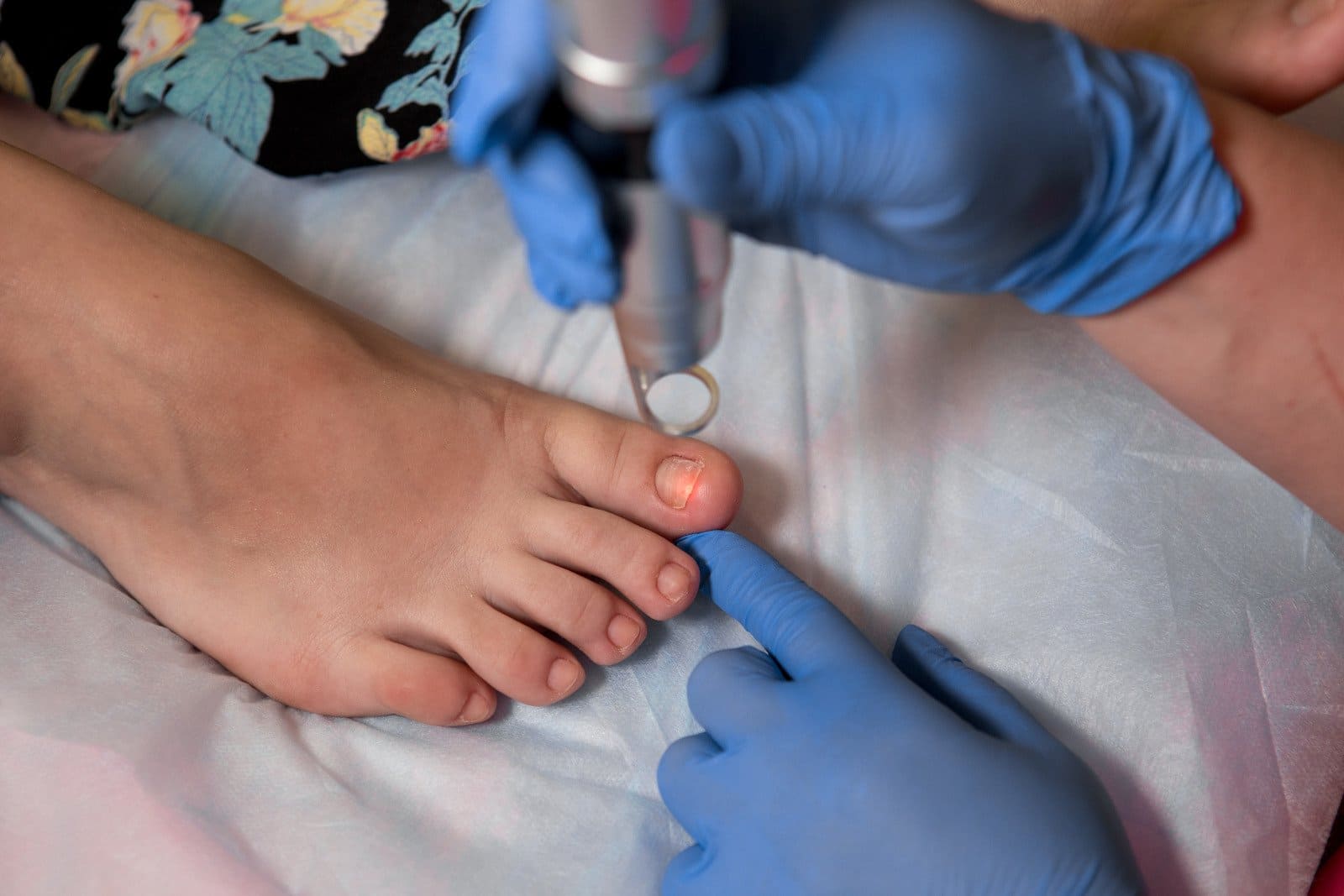
Fungal toenail infections can be likened to an uninvited guest at a lively party, subtly but surely wreaking havoc on an otherwise joyous celebration. Left unchecked, this invisible intruder can disrupt the beauty of one’s feet, transforming elegant footwear into a canvas of unwanted blemishes. Enter laser removal—a modern marvel in the realm of podiatric care, offering a path to recovery that can restore both aesthetics and confidence. In this exploration, we will delve into the nuances of laser technology for toenail fungus removal, illuminating its mechanisms, benefits, and considerations.
The Underlying Science of Fungal Infections
Fungal toenail infections often begin as a seemingly innocuous blemish—a speck of yellow or white beneath the nail surface. This toe-nail warrior struggles against the rigors of daily life, combatting environmental factors that provide an ideal breeding ground for fungi. Moisture, warmth, and darkness come together to create a veritable petri dish within the toe box of a shoe, wherein the infectious agents flourish. The primary culprits include dermatophytes, yeasts, and molds, which undermine nail integrity and contribute to its sordid appearance.
Looming Shadows: Traditional Treatments
For years, typical treatments have been akin to tossing water on a fire—ineffective and frustrating. Topical antifungals and systemic medications often yield disheartening results, with recurrence rates soaring. Furthermore, these methods can be marred by side effects that dampen one’s adventurous spirit, leaving many to languish in despair over their unsightly toes. It is against this backdrop of disappointment that laser treatment emerges, akin to the dawn breaking through a stormy sky.
The Mechanism Behind the Laser Light
At the heart of laser toenail fungus removal lies a sophisticated interplay of light and heat. The procedure typically employs a specialized laser that emits wavelengths specifically tailored to target the fungus, while resolutely sparing surrounding skin and tissue. Driven by the principle of photothermal interaction, the laser’s energy permeates the nail bed, penetrating deep into the fungus-infested battlefield. As light transforms into thermal energy, it incinerates the fungal intruder, ridding the body of the unwanted guest without causing collateral damage.
There are primarily two types of lasers employed in this treatment: the Nd:YAG laser and the diode laser. Each possesses unique properties that contribute to their efficacy. The Nd:YAG laser’s pulse delivery method allows for effective penetration, while the diode laser’s continuous wave function targets the infection with precision. This dual-pronged approach ensures that even the most tenacious fungi are evicted once and for all.
The Experience of Treatment: A Gentle Touch
Many prospective patients describe the putative discomfort of laser treatments as negligible—a mere whisper compared to the crescendo of unbearable itching and irritation that the fungi had previously wrought. The process is often completed within a mere 30 minutes, with patients experiencing little to no downtime. Each session can be likened to a soothing sunbeam bath, where the warmth washes over the toes and soothed fraught nerves. Some patients may experience a mild tingling sensation; however, this is often short-lived and swiftly forgotten.
Quickening the Path to Recovery
Post-treatment, some individuals may notice immediate improvements, while for others, the transformation occurs gradually. Expect to witness new, healthy nail growth emerge over the ensuing months—like a phoenix rising from the ashes, undeterred by past misfortune. Patients are often advised to practice good foot hygiene, minimizing the risk of recurrence. Proper airflow, moisture control, and frequent changing of socks will serve as a bulwark, ensuring that fungi are kept at bay.
The Allure of Laser Treatments: Pros and Cons
While laser toenail removal is undeniably appealing—offering rapid results and minimal discomfort—one must weigh the pros and cons thoughtfully. The treatment is heralded for its efficacy; clinical studies frequently indicate a success rate ranging from 60% to 90%. However, it is essential to note that results can vary based on factors such as the extent of the infection and the individual’s health status.
Yet, some drawbacks exist. Insurance coverage for laser treatments may be elusive, as many plans categorize them as cosmetic procedures. Additionally, multiple sessions might be required, leading to increased costs for some. Patients should also remain vigilant regarding aftercare and follow-up visits to ensure their journey remains on the path to wellness.
Concluding Thoughts: A Flourishing Future
The endeavor to rid oneself of a fungal toenail infection through laser removal is a journey marked by hope and the promise of renewal. The prospect of stepping back into the world with renewed confidence and healthy, vibrant nails is a delightful finale to the chapter marred by fungal intrusion. With the evolution of laser technology, patients can find solace in the fact that this modern solution brings them one step closer to both aesthetic perfection and physical well-being. The transformative power of laser removal for toenail fungus is not merely a treatment; it is a beacon of hope that illuminates the path forward, guiding those burdened by fungal afflictions toward a brighter tomorrow.










Leave a Comment