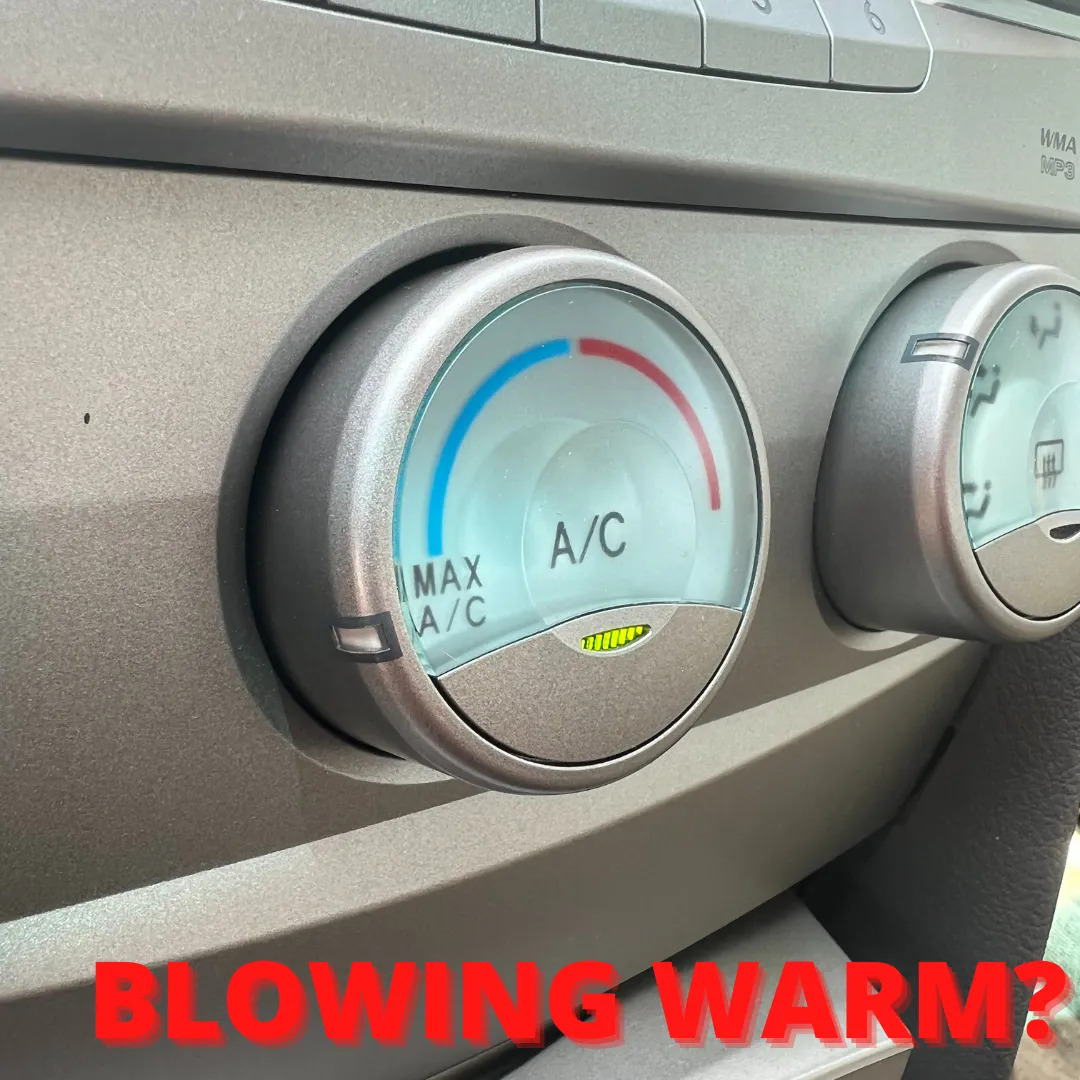
When sweltering heat blankets the summer, a malfunctioning car air conditioning (AC) system can quickly transition your pleasant drive into a frustrating ordeal. One common complaint among vehicle owners is encountering warm air blowing from the AC vents. This issue can stem from a multitude of factors, and understanding these can help in addressing the problem effectively. Below, we delve into various reasons your car’s AC may be blowing warm air, alongside insights on how to remedy the situation.
1. Insufficient Refrigerant Levels
One of the foremost reasons for an AC system to blow warm air is insufficient refrigerant levels. The refrigerant is a critical component in the cooling process; it absorbs heat from the cabin and dissipates it outside. Over time, this substance can leak due to wear and tear, loose connections, or damage to the AC components. If the refrigerant level is below the manufacturer’s specified threshold, the system will struggle to achieve the desired cooling effect. A professional technician can inspect for leaks, inspect connection points, and recharge the system with the correct amount of refrigerant.
2. Faulty AC Compressor
The AC compressor acts as the heartbeat of your air conditioning system. It pumps refrigerant throughout the system, compressing it to facilitate heat exchange. Should the compressor fail, the AC system may fail to deliver cold air, rendering it ineffectual. Symptoms of a faulty compressor include unusual noises, an illuminated dashboard warning light, or a sudden loss of cooling. Repair or replacement of a malfunctioning compressor is usually necessary to restore proper function.
3. Blocked or Clogged Condenser
The condenser is responsible for expelling heat absorbed by the refrigerant. It is typically located at the front of the vehicle, exposed to various road debris, dirt, and bugs. A blocked or clogged condenser can compromise airflow, preventing hot air from escaping. Regular checks and cleaning of the condenser are essential for maintaining its efficiency and ensuring that your AC provides chilly relief when needed. This often involves gently removing debris and ensuring that the cooling fins are unobstructed.
4. Malfunctioning Expansion Valve or Orifice Tube
The expansion valve or orifice tube regulates refrigerant flow into the evaporator, and issues with either can result in improper cooling. If the valve is stuck closed, it may prevent refrigerant from reaching the evaporator, leading to warm air discharge. Conversely, a blockage can also occur in the orifice tube, similarly disrupting refrigerant flow. Diagnosing issues with these components often necessitates specialized equipment and expertise, making professional intervention necessary.
5. Failed Blower Motor
The blower motor is responsible for circulating air within the cabin. If this component malfunctions, cool air cannot be effectively blown into the vehicle. Symptoms of a failing blower motor include strange noises when operating or no air coming from the vents at all. Replacing the blower motor can rectify this situation, allowing your AC system to function optimally once again.
6. Electrical Issues
Modern vehicles are laden with complex electrical systems, and the AC apparatus is no exception. Faulty electrical connections, blown fuses, or malfunctioning relays can lead to inadequate system performance. Inspecting these electrical components requires careful attention and, at times, the use of multimeters to diagnose circuit issues. Addressing electrical malfunctions often necessitates the skills of a trained technician to ensure all connections and components are robust and functional.
7. Climate Control System Malfunction
Many newer vehicles are equipped with advanced climate control systems, allowing for temperature variance between different zones. If these systems malfunction or become miscalibrated, it could result in warm air where cool air should be. The underlying cause may range from software issues to sensor failures that require reprogramming or replacement. Diagnosing climate control system issues requires specialized equipment and a thorough understanding of vehicle electronics.
8. Presence of Water in the AC System
Moisture should never exist in the AC system; however, leaks or failures in seals can lead to the unfortunate intrusion of water. The presence of water can wreak havoc on the system, leading to corrosion, biocide growth, and other detrimental effects on cooling performance. If you suspect moisture in your AC system, immediate inspection and flushing are necessary to restore proper function and preserve the longevity of your system.
9. Cabin Air Filter Clogging
Although primarily related to airflow, a clogged cabin air filter can inadvertently contribute to warm air being delivered through the vents. The purpose of the cabin air filter is to catch dust and debris, thereby ensuring clean, cool air permeates the cabin. When it becomes saturated, airflow diminishes, resulting in increased cabin temperatures. Regular replacement of the cabin air filter as part of your vehicle maintenance routine is a simple yet effective way to preemptively avoid this issue.
Conclusion
Dealing with warm air emanating from your car’s AC can be a frustrating problem, particularly during the peak of summer’s heatwave. Understanding the various potential causes—from refrigerant deficiencies to electrical malfunctions—enables vehicle owners to make more informed decisions regarding maintenance and repairs. When in doubt, consulting a qualified technician is advisable to diagnose and rectify the issue effectively. By addressing these concerns promptly, you can ensure your AC system is working as intended, allowing you to enjoy cool, refreshing air throughout your driving experience.











Leave a Comment