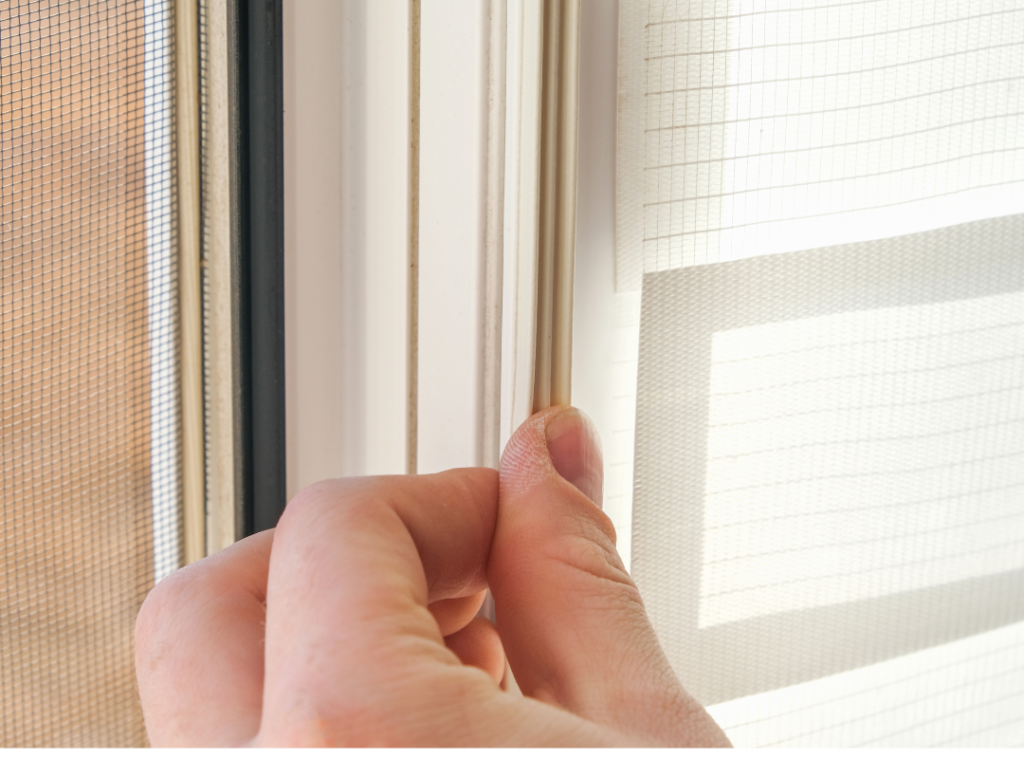
Sliding door weather stripping is an essential component for ensuring the energy efficiency and comfort of your home. It seals the gaps between the sliding door and its frame, minimizing drafts, reducing noise infiltration, and preventing moisture damage. The myriad options available in materials and types can, however, be overwhelming. This comprehensive guide elaborates on the diverse types of sliding door weather stripping, their characteristics, installation procedures, and maintenance tips to help you make an informed choice.
1. Understanding the Importance of Weather Stripping
Weather stripping is not merely an accessory; it serves a critical function. By providing a barrier against external environmental factors, it plays a substantial role in enhancing the energy efficiency of your home. Homes without proper weather stripping can experience drafts, increased energy bills, and compromised living comfort. By mitigating these issues, you can achieve a more sustainable living environment.
2. Types of Sliding Door Weather Stripping
Choosing the right weather stripping involves understanding the various types available in the market. Each type has distinct characteristics suitable for different scenarios.
2.1. Foam Weather Stripping
Foam weather stripping is a popular choice due to its affordability and ease of installation. This option typically comprises a self-adhesive strip that can be cut to size. Foam is effective in filling voids but tends to compress over time, making it less durable than other materials. It may be best for use in moderate climates where extreme temperatures and moisture are less of a concern.
2.2. V-Seal Weather Stripping
Also known as V-shaped or tension seal strips, V-seal weather stripping creates a tight barrier by compressing against the door frame when the door is closed. These strips are often made from flexible vinyl or rubber, providing durability coupled with flexibility. V-seal weather stripping excels in securing sliding doors against drafts and is ideal for areas prone to fluctuating temperatures.
2.3. Magnetic Weather Stripping
This innovative option utilizes magnets to create a secure seal. Magnetic weather stripping is typically found in high-quality sliding doors and is excellent at keeping unwanted noises and drafts at bay. Its installation process involves attaching a magnetic strip to the frame and aligning another strip on the door. This method ensures that the door closes effortlessly while maintaining an airtight seal.
2.4. Door Sweep
Often overlooked, door sweeps play an indispensable role in weatherproofing sliding doors. A door sweep is installed at the bottom of the door and prevents cold air, water, and pests from infiltrating your living space. They are available in various materials including rubber, silicone, and aluminum, each offering different levels of durability and effectiveness.
2.5. PVC Weather Stripping
PVC strips are a more durable option, often used in commercial applications but highly beneficial for residential sliding doors as well. These strips provide excellent resistance to weathering and can withstand extreme temperatures. PVC is also relatively easy to install and maintain. While the initial cost may be higher than foam products, their longevity can yield savings over time.
3. Installation Techniques for Weather Stripping
Once you have chosen the appropriate type of weather stripping for your sliding door, the next step is installation. Here’s a guide to streamline the process.
3.1. Preparation
The first step in any installation is preparing your work area. Clean the door frame and the surface where the weather stripping will be applied. Removing old, peeling weather stripping is pivotal for ensuring adherence and efficiency.
3.2. Measuring
Accurate measurements are crucial. Measure the height and width of the door frame and cut the weather stripping to size, ensuring a snug fit. For a precise installation, consider using a utility knife or scissors depending on the material.
3.3. Application
When applying self-adhesive weather stripping, make sure you align it properly with your measurements, pressing firmly to ensure adhesion. For magnetic and V-seal options, ensure the opposite sides meet perfectly to form a continuous seal. Door sweeps typically require screws or adhesive; follow the manufacturer’s instructions for optimal results.
4. Maintenance of Weather Stripping
Regular maintenance of your weather stripping ensures its longevity. Inspect it periodically for signs of wear and replace any damaged sections promptly. Cleaning the strips with mild soap and water can prevent debris build-up, maintaining their effectiveness. Seasonal inspections can help catch issues before they become more serious.
5. Conclusion
Investing in quality weather stripping for your sliding doors is a prudent decision for any homeowner. It not only enhances comfort and energy efficiency but also protects your living space from the elements. By understanding the various types of weather stripping available, installation techniques, and maintenance practices, you are empowering yourself to create a more sustainable and cozy home environment. Don’t underestimate the power of a well-sealed sliding door; it can significantly affect your daily living experience.










Leave a Comment