Are you ready to dive into the vibrant world of resin crafting? Perhaps you’ve pondered how whimsical it would be to create your very own unique trinkets or functional artworks. While the allure of resin art is undeniable, choosing the right silicone molds is crucial for your success. Without the right tools, your artistic aspirations could quickly devolve into a frustrating endeavor. What if your creations ended up shapeless or less than stellar? To avoid such pitfalls, here’s an extensive guide to help you navigate through the enchanting realm of silicone molds for resin.
Understanding Silicone Molds
Silicone molds are indispensable tools for crafting with resin. Made from flexible silicone, these molds come in a multitude of shapes and sizes, enabling crafters to unleash their creativity. Their inherent flexibility allows for easy removal of cured resin pieces, which is a significant advantage over rigid molds. Additionally, the non-stick nature of silicone ensures clean finishes, minimizing imperfections.
Types of Silicone Molds
With such a dazzling array of silicone molds available, it can be overwhelming to choose the right one. Here’s a classification to consider:
- Casting Molds: Designed specifically for forming objects, casting molds can create anything from jewelry to coasters. They are usually deeper and support embedded elements.
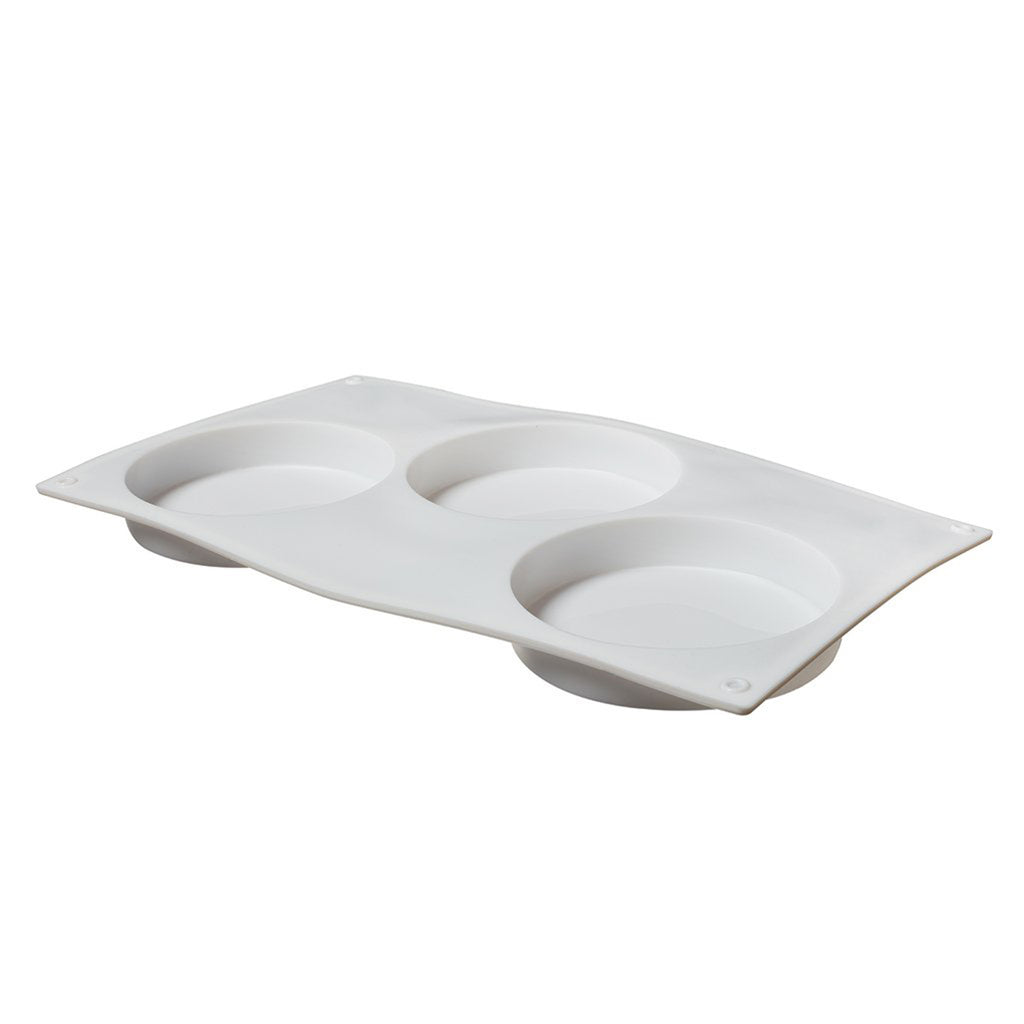
These molds accommodate epoxy resin, ideal for achieving a glossy finish. They often feature different patterns and textures to enhance aesthetics. - Multi-cavity Molds: These are a godsend for those looking to produce multiple identical items simultaneously, such as rows of charms or beads.
- Specialty Molds: Ranging from intricate designs to themed shapes, these molds encourage artistic expression, enabling you to personalize your creations.
Features to Consider When Choosing Molds
When selecting silicone molds for resin, several features should be taken into consideration to ensure optimal results:
- Durability: Look for high-quality silicone that is both heat and tear-resistant. A durable mold can withstand repeated use without degrading.
- Detail Level: Consider the complexity of the design. Intricate molds can yield highly detailed pieces, while simpler ones are better for beginners.
- Size and Depth: Molds come in various dimensions. Ensure the size fits your project, whether it be large-scale sculptures or delicate pendants.
- Ease of Release: Pick molds with excellent flexibility to facilitate the demolding process, while ensuring your pieces maintain their integrity and detail.
Preparing the Mold: Essential Steps
Before pouring resin into the mold, preparation is key. Properly preparing the mold can make the difference between success and disappointment. Follow these steps:
- Ensure the mold is clean and free from dust or debris. A pristine surface will lead to flawless pours.
- Consider using a mold release spray. This additional layer of protection will help in easily releasing the cured piece without damage.
- Check for air bubbles trapped in the mold. Use a toothpick or similar tool to dislodge any bubbles, ensuring an even surface for your resin.
Pouring and Curing Process
Once your preparations are complete, the fun truly begins! Follow these guidelines during the pouring and curing process:
- Mixing the Resin: Carefully measure and mix your resin components according to the instructions. The right ratio is critical to achieve an optimal cure.
- Poured Layers: For deep molds, consider pouring in layers to prevent overheating and reduce the chance of bubbles.
- Monitoring Curing: Allow the resin to cure in a controlled environment, away from dust or disturbances. Follow the recommended curing time, which can vary based on the product used.
Post-Curation Finishing Touches
Once the resin has cured successfully, the next step involves demolding and finishing:
- Gently flex the silicone mold to release the cured resin. Patience is vital—rushing this step can mar your creation.
- Consider sanding the edges for a smooth finish. Sandpaper or a Dremel tool can create a polished look.
- Finally, adding a layer of varnish or spray sealant can enhance brilliance and protect your finished piece from scratches and UV damage.
Challenging Your Creativity
As you embrace this enthralling craft, consider the challenge of experimentation. Why not test different additives, colors, or layering techniques? The versatility of silicone molds allows for unparalleled experimentation, where creativity knows no bounds. You may create abstract art pieces, decorative homeware, or even functional items that effortlessly meld artistry with usability.
Conclusion
Silicone molds for resin are an extraordinary gateway into a world filled with endless possibilities. By understanding the different types of molds, knowing what features to look for, and following precise preparation and finishing processes, you can elevate your resin art to new heights. Embrace the challenges, and let your creativity flow! With the right tools and knowledge, you can transform simple resin into stunning masterpieces that reflect your unique artistic vision.










Leave a Comment