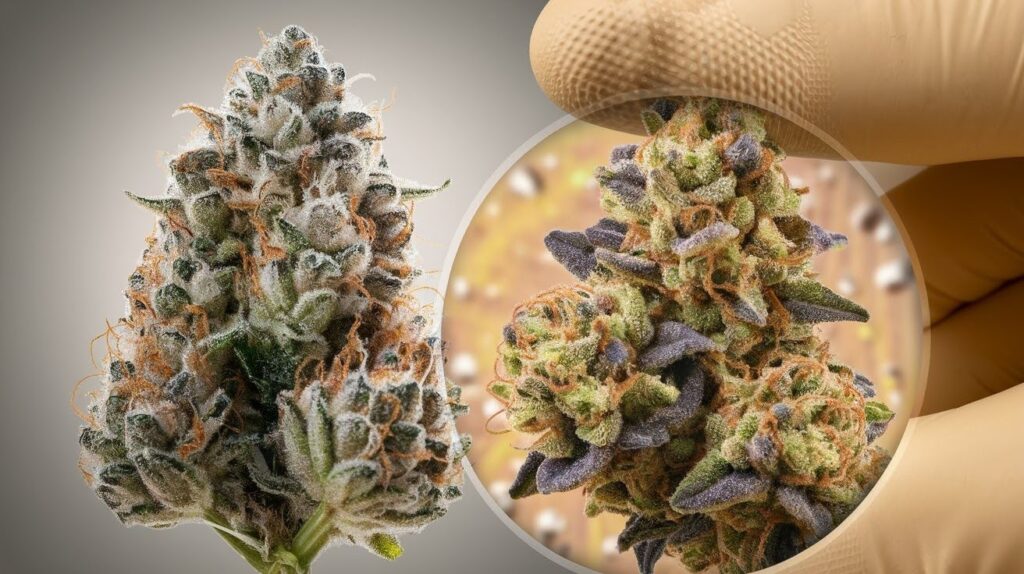
In recent years, a curious term has emerged in discussions surrounding cannabis—“sprayed weed.” This phrase evokes a myriad of reactions and contemplations, straddling the lines between casual intrigue and profound concern. The fascination with sprayed weed is potent, stemming from its implications not only about the marijuana itself but also about broader societal themes. As we delve into what sprayed weed entails, we invite you to explore the layers of meaning and context that accompany this phenomenon.
At its core, “sprayed weed” refers to cannabis that has been treated with various substances, often artificially enhancing its aesthetic appeal, potency, or even its psychoactive effects. This practice, though not universally widespread, raises intricate questions about authenticity, safety, and the very nature of enjoyment when it comes to consuming marijuana. Let’s examine this multifaceted topic further.
1. The Allure of Enhanced Cannabis
The visual allure of cannabis often dictates its desirability among consumers. Many growers and sellers emphasize the importance of appearance, leading to an inclination toward drugging weeds with substances such as synthetic cannabinoids or other additives. This manipulation intends not just to amplify the potency but to enhance the flower’s visual appeal, making it more attractive to potential buyers.
Shimmering crystals of trichomes may be a natural phenomenon in healthy cannabis, but some producers disrupt this balance. Spraying with certain chemical compounds may create an illusion of glistening resin. However, these additives do not always align with consumers’ expectations regarding safety and ingredient transparency.
2. The Chemicals Involved
When discussing sprayed weed, one cannot overlook the myriad chemicals that may be used. Some of the more commonly reported substances include:
- Artificial Cannabinoids: These are lab-synthesized compounds designed to mimic the effects of THC and CBD, but with varying potency and unpredictable outcomes.
- Pesticides and Fungicides: Some growers may apply these to prevent mold or pests, but when improperly used, residues can remain on the product, leading to health concerns.
- Flavor Enhancers: Sometimes artificial terpenes are sprayed on the flower to mimic specific strains and flavors, but without the complexity of the naturally occurring profiles.
- Coloring Agents: Not uncommon in the cannabis community, these additions attempt to create vivid hues but can introduce unforeseen health risks.
While these substances may initially appear innocuous or even beneficial, the long-term effects on health are still largely uncharted territory. Chemical additives can amplify the risks associated with cannabis consumption, leading to adverse reactions rather than the desired enhancement.
3. The Impact on Consumer Experience
The implications of sprayed weed extend far beyond mere aesthetic flaws. They reach into the very essence of consumer experience, influencing the very reasons individuals seek cannabis. The depth of flavor, aroma, and a fulfilling high that many expect from natural cannabis may be dramatically altered when additives are introduced. This alteration leads to an existential dilemma: when does enhancement become deception?
Invariably, consumers drawn to the cannabis culture often develop a refined palate, discerning between quality product and lesser iterations. Thus, sprayed weed dilutes the overall trust and satisfaction of the market, transforming a pleasurable experience into one laced with uncertainty.
4. Ethical Considerations and Regulations
With the rising interest in cannabis—both medicinally and recreationally—comes an intense scrutiny regarding regulation and ethical practices. The lack of standardized regulations concerning what can be legally sprayed on cannabis products leads to a fog of ambiguity. Advocates for the cannabis industry argue for stricter guidelines to ensure that consumer safety is paramount, while opposing voices fear that excess regulation could stifle growth.
This ethical quandary is essential, as it forces producers to consider the ramifications of their practices. The choice to become “premium” through manipulation rather than fostering genuine quality marks a philosophical divide in the industry. Establishing ethically sound practices can restore consumer confidence while elevating standards within the cannabis community.
5. The Quest for Authenticity
Beyond the realm of health and safety, the conversation surrounding sprayed weed touches on deeper notions of authenticity and integrity in consumption. As society grapples with the implications of synthetic enhancements, we find ourselves pondering what it means to enjoy cannabis. Is the allure of potency worth the risk of artificial interference? Does one’s enjoyment hinge on purity, or does it reside in the sensory experience—flavor, aroma, and effect?
The quest for authenticity isn’t merely about substance but also about environment, cultivation practices, and personal connections. In pursuit of genuine experiences, consumers increasingly seek organically grown cannabis, steering away from the tarnished notion of sprayed weed.
Conclusion
Sprayed weed signifies more than a trend in the cannabis market; it embodies a complex interplay of ethics, consumer expectations, and societal values. The communication of effects, safety, and integrity defines the landscape of the modern cannabis experience. As exploration into this realm continues, embracing transparency and fostering responsible practices benefits all. A return to authenticity may serve as the antidote to the disillusionment surrounding sprayed weed, as consumers increasingly prioritize quality over aesthetics. In the end, the story of cannabis is deeply intertwined with the narrative of its cultivation, consumption, and appreciation.









Leave a Comment