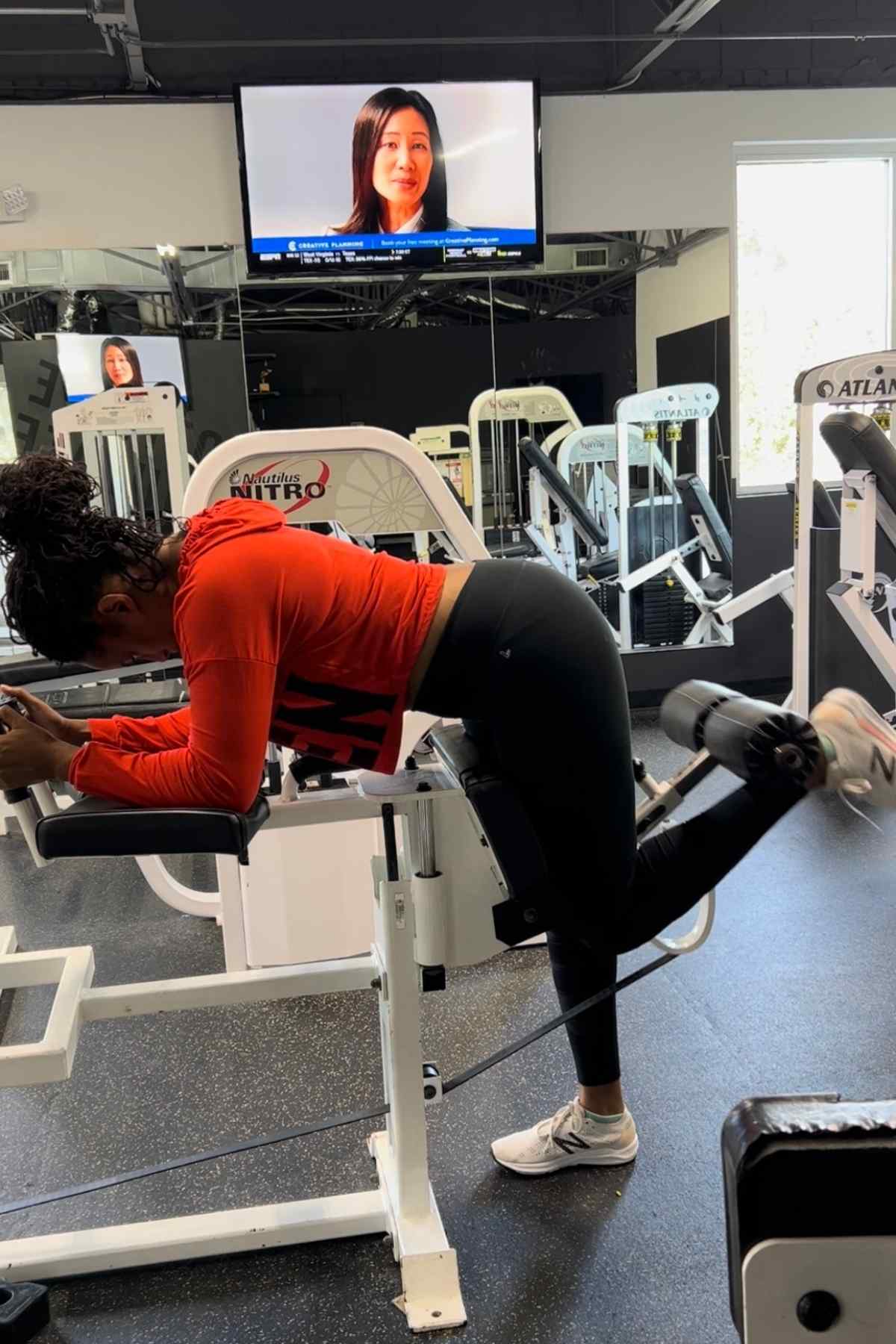
When it comes to leg workouts, two exercises often emerge at the forefront of discussions: the leg extension and the leg curl. These isolated movements are staples in resistance training, yet the debate surrounding their efficacy is as lively as ever. Which one reigns supreme for sculpting strong, powerful legs? What if you had to choose only one for the entirety of your leg routine? This article will delve into the intricacies of both exercises, examining their benefits, potential drawbacks, and the myriad ways they contribute to leg development.
Understanding the Basics
The leg extension primarily targets the quadriceps, the large muscle group at the front of your thighs. This machine-based movement involves sitting and extending your legs against resistance while keeping your hips stationary. The leg curl, conversely, focuses on the hamstrings located at the back of the thigh. Performed either on a machine or with bands, this exercise typically involves lying on your stomach and curling your legs towards your glutes. Each of these movements plays a distinct yet complementary role in an effective leg workout regimen.
Muscle Engagement: A Closer Look
Understanding muscle engagement is crucial when deciding between these two exercises. The leg extension isolates the quadriceps, which consist of four muscles: the rectus femoris, vastus lateralis, vastus medialis, and vastus intermedius. This isolation is advantageous for those looking to build brute strength or increase definition in the quadriceps, making it particularly popular among bodybuilders.
On the other hand, the leg curl targets the hamstrings, also a group of three muscles: the biceps femoris, semitendinosus, and semimembranosus. Strong hamstrings are essential for overall leg strength, balance, and injury prevention. While the leg extension offers a powerful stimulus for the front of the leg, neglecting the hamstrings to focus solely on quads can cause muscular imbalances that may lead to issues down the line.
Benefits of Leg Extensions
- Isolation Training: The leg extension is unparalleled when it comes to targeting the quadriceps. This isolation can be particularly beneficial during a muscle hypertrophy phase.
- Flexibility: Regularly performing leg extensions can enhance knee joint flexibility. This benefit is often overlooked but can improve overall athletic performance.
- Rehabilitation: After knee injuries, leg extensions can serve as a rehabilitative exercise, allowing individuals to strengthen their quads without stressing the entire lower body.
Drawbacks of Leg Extensions
- Joint Stress: While effective for targeting quads, leg extensions can place significant stress on the knee joint, particularly if performed with excessive weight or improper form.
- Limited Functional Strength: Since the movement is highly isolated, it does less to prepare the body for functional tasks like running or jumping, which engage multiple muscle groups simultaneously.
Benefits of Leg Curls
- Balanced Development: The leg curl promotes muscular balance between the quadriceps and hamstrings, enhancing overall leg strength and reducing the risk of injuries.
- Improved Athletic Performance: Strong hamstrings are crucial for explosive movements; hence, incorporating leg curls can augment speed and power in sports.
- Adaptability: Leg curls can be executed using various techniques—lying, seated, or standing—allowing for versatility in workout programming.
Drawbacks of Leg Curls
- Potential For Improper Form: Like leg extensions, leg curls can be executed poorly, leading to improper spinal alignment or knee strain if the individual attempts excessive weight.
- Less Isolation: While leg curls focus on hamstrings, they can also engage the glutes and calves to some degree, which may dilute the focus for those seeking strict isolation.
Integrating Both Exercises
So, which exercise should you incorporate into your routine? Rather than pitting leg extensions against leg curls in an all-out battle, consider adopting strategies that utilize both exercises. A balanced leg workout might include squats or deadlifts for full-range muscle engagement, followed by leg extensions and curls in a circuit format.
For instance, one could perform a set of squats, then transition into leg extensions, and conclude with leg curls. This combination will not only foster muscular balance but also engage different energy systems, promoting overall endurance and strength.
The Playful Challenge
As you contemplate this engaging dilemma, here’s a playful question for you: If you were stranded on a deserted island with only one leg machine—either a leg extension or a leg curl—what would your choice reveal about your fitness priorities? Would you align yourself with the power of quads or the balance of hamstrings? This whimsical thought experiment compels one to reflect on personal fitness goals while highlighting the unique contributions of both exercises.
Conclusion
Ultimately, both leg extensions and leg curls hold their own unique value in a comprehensive leg training program. Each exercise, with its distinct target muscle groups and benefits, contributes significantly toward the pursuit of leg strength and aesthetics. Rather than choosing a side, embrace the full spectrum of leg training potential. Remember, a balanced approach is often the secret to unlocking optimal performance and long-lasting results. So, why not enrich your fitness journey by incorporating both movements? Your legs will thank you!










Leave a Comment