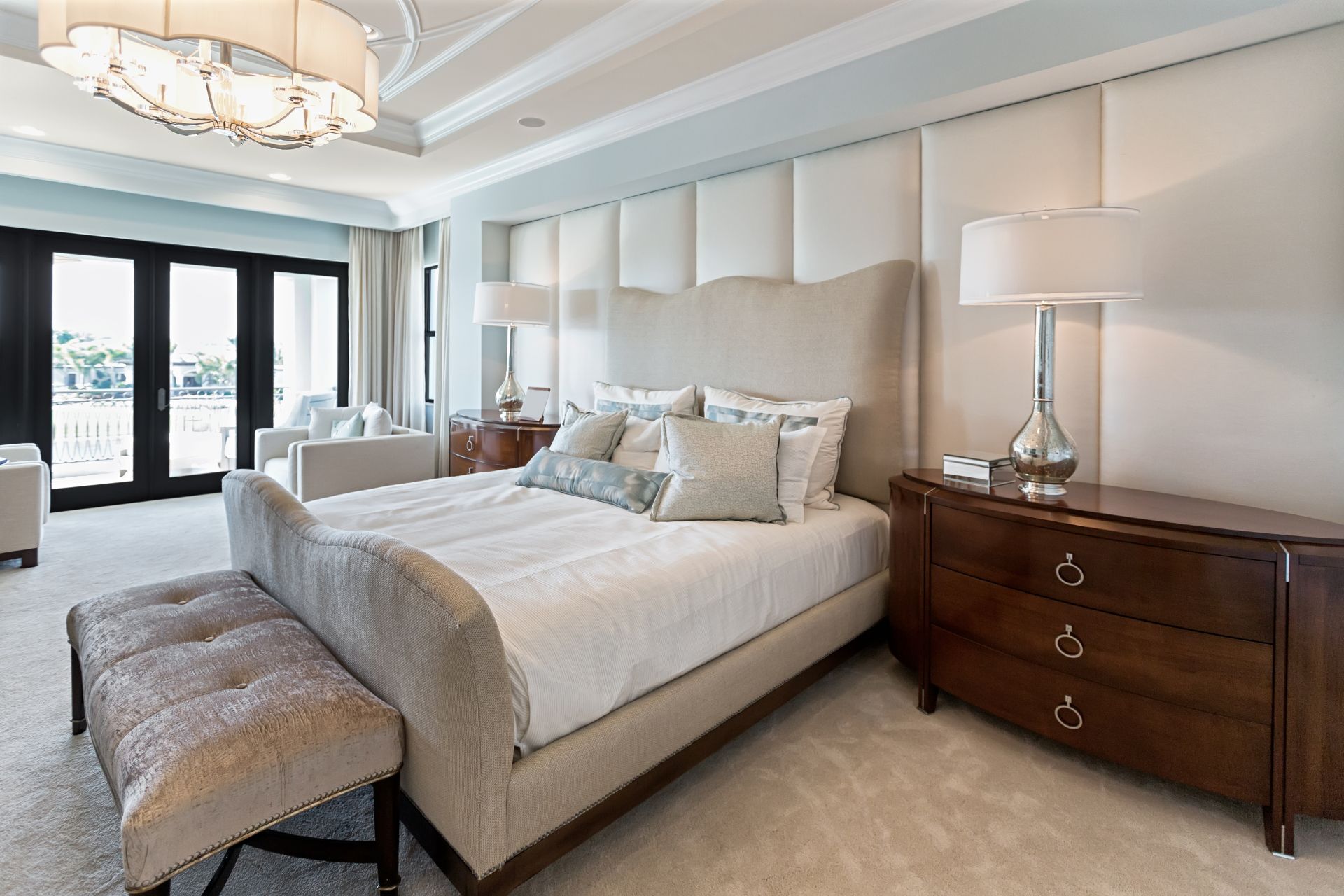
When designing a home, the master bedroom stands as a sanctuary—a personal retreat that melds comfort with style. The average master bedroom size has evolved over the years, reflecting broader societal trends, economic conditions, and shifts in lifestyle preferences. Understanding the typical dimensions provides insight into how we inhabit our personal spaces and the subtle psychological implications tied to them. This exploration delves into average master bedroom sizes, their historical context, and what influences their design.
In the United States, the average master bedroom size fluctuates, but typically, it falls between 300 to 500 square feet. However, this range is not merely numbers on a tape measure; it encapsulates the very essence of modern living. The quests for spaciousness, functionality, and personalized design converge in this room, often considered the heart of one’s home. Why is there such a fascination with master bedroom size? The answer lies not only in practicality but also in the depth of personal comfort and luxury we associate with such spaces.
One of the foremost influences on the size of master bedrooms is household composition. Today’s families come in various configurations—nuclear families, single-parent households, and multi-generational living arrangements. Recent trends indicate a shift toward larger master suites to accommodate these evolving dynamics. Ultimately, these spaces have adapted accordingly to provide not just a sleeping area but a personal oasis where relaxation and reprieve from daily stresses converge.
Additionally, the geographical location significantly impacts the average master bedroom size. Urban settings tend to favor more compact living spaces due to land constraints and high property values. In contrast, suburban and rural areas often witness expansive layouts, facilitating larger master bedrooms replete with walk-in closets and en-suite baths. This geographical dichotomy leads to interesting socio-economic conversations about housing and lifestyle preferences in various communities.
Proportions play a formidable role in creating a harmonious master bedroom. The dimensions should ideally permit ample movement while accommodating essential furniture pieces—typically a king or queen-sized bed, nightstands, and potentially a dresser or chaise lounge. The goal is to evoke a sense of spaciousness, irrespective of where the room falls on the size spectrum. Well-planned layout and organization further enhance the perception of space. For instance, strategic placement of mirrors can visually expand the area, creating an illusion of grandeur without adding physical square footage.
While discussing dimensions, aesthetic qualities cannot be overlooked. The average master bedroom size does not merely serve functionality; it encapsulates personal style. Contemporary designs often favor openness and minimalism, leading to a preference for larger spaces that appear uncluttered. However, certain design vernaculars like the French provincial or Cape Cod style may thrive in more intimate settings. The choice of color palette, lighting, and textures all converge to create an ambiance that reflects the occupant’s identity.
Moreover, the inclusion of multifunctional spaces in master bedrooms has become increasingly prevalent, especially amid the remote work trend accelerated by recent global events. A dual-purpose area—serving as an office or fitness zone—adds layers to the traditional master suite concept, bridging convenience with comfort. This shift illustrates a deeper understanding of how our spaces must adapt to meet evolving lifestyle demands.
When considering the sophistication of a master bedroom, one must also contemplate privacy and seclusion. The desire for a spacious layout often stems from the innate human yearning for a personal retreat, away from the hustle of everyday life. This intrinsic need for solitude prompts individuals to prioritize not just the size, but how the master bedroom partitions oneself from the communal areas of the home. The incorporation of soundproofing elements, window placements, and strategic layout selections aid in fostering a cocoon-like ambiance conducive to relaxation.
If we pause to reflect, it becomes evident that the average master bedroom size is enveloped in cultural significance. In many cultures, the bedroom acts as an expression of status, a realm where the domicile’s opulence is showcased. This notion extends beyond mere aesthetics; it is about the emotions evoked by the space—the warmth of restful evenings, the sanctuary for introspection, and a space for personal companionship.
While discussing sizes, it is crucial to note that the furnishings one selects can dramatically influence the perception of the space. Carefully curating pieces that balance function and form helps in achieving an atmosphere of serenity. For example, opting for furniture with a minimalist design or adjustable features can aid in maintaining the fluidity of the room, allowing for a dynamic and easily transformable existence within the confines of the average master bedroom size.
In conclusion, the average master bedroom size encapsulates far more than mere dimensions; it is imbued with meaning, history, and an intrinsic reflection of contemporary living. A space that speaks to the essence of personal repose and identity, it remains central to how we experience our homes. As we move forward into a world increasingly focused on individualism and comfort, understanding the nuances of these dimensions will only heighten our appreciation for the masterpieces we create within our four walls.









Leave a Comment