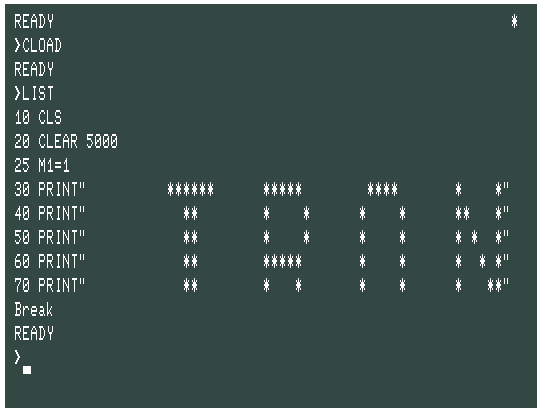
In the realm of vintage computing, few names resonate like the TRS-80, fondly dubbed the “Tandy Radio Shack 80.” With its distinct charm and an iconic status in the early computing landscape, this machine has earned a dedicated following. What if the excitement of revisiting this classic can be experienced today, albeit with a modern twist? Enter the David Kell TRS-80 Emulator, a portal through which nostalgic users and curious newcomers alike can explore the allure of this antiquated technology. However, will this virtual expedition into the past be as seamless and rewarding as one might hope?
Before plunging into the depths of the David Kell TRS-80 Emulator, let’s unfold the incredible journey of the original TRS-80. Released in 1977, the TRS-80 was one of the first mass-produced personal computers, instantly becoming a staple in homes and classrooms across America. With a modest 4 KB of RAM, a Zilog Z80 microprocessor, and the characteristic black-and-white screen, this machine helped cement the foundations of computing as we know it today. Yet, how does one experience the magic of such a machine in an age that is lightyears ahead technologically? The answer lies in emulation—a digital resurrection of the classic compute experience.
The David Kell TRS-80 Emulator stands as a testament to the enduring love for the TRS-80 series. Designed to replicate the functionality and experience of the original hardware, this emulator offers users a platform to run TRS-80 software on modern systems. One might wonder, how can this simple piece of code successfully replicate the multifaceted characteristics of a once cutting-edge machine? The magic occurs through the meticulous translation of TRS-80 architecture into something comprehensible by today’s sophisticated operating systems.
As one navigates through this emulator, several critical components come into play. First and foremost is the user interface (UI): it endeavors to capture the authentic feel of the original TRS-80’s commands and inputs. The emulator environment mirrors the retro aesthetic, making the transition from nostalgic memory to contemporary reality all the more immersive. However, navigating this digital façade can present a challenge, especially for those unversed in the intricacies of old-school computing.
An additional highlight of the David Kell TRS-80 Emulator is the ability to run legacy software—something that excites both seasoned users and inquisitive neophytes. Classic applications, games, and educational programs designed for the TRS-80 can be executed in their native environment. This inclusion not only enhances the experience but also enriches one’s understanding of the computing evolution. Is there a game or application that defined your childhood? The emulator allows for a trip down memory lane.
Moreover, the emulator supports various disk images that encapsulate the original software ecosystem. Users can load files in formats such as .dsk or .td0, which have become the archetypes for software distribution among retro enthusiasts. However, finding these images can pose a potential challenge, as legal complexities regarding software copyright exist. While many vintage programs have entered the public domain, the hunt for the perfect software may require a bit of sleuthing and perseverance.
What about the user experience—how user-friendly is this emulator? The answer may vary depending on one’s familiarity with emulators in general. For aficionados of vintage computing, the David Kell TRS-80 Emulator feels like a smooth ride through cherished memories. Contrarily, to those unfamiliar with command-line interfaces or retro computing language, the initial experience may evoke a sense of intimidation. A learning curve is to be expected, which beckons the question: is navigating this emulator a task one is willing to tackle for the sake of nostalgia?
Another consideration is the emulator’s performance. The ability to seamlessly run TRS-80 software without glitches or lag is crucial. Overall, the David Kell TRS-80 Emulator performs admirably, but there are experiences where certain software might not operate as flawlessly as intended. This inconsistency could be disheartening for users eager to relive specific moments from their past. Yet, for many, this small impediment is a modest price to pay in the quest for nostalgia.
For those who relish the prospect of community, the TRS-80 emulator space is vibrant. Forums and online groups are ripe with discussions ranging from troubleshooting to the sharing of software and images. This communal aspect can be tremendously enriching, as insights from fellow enthusiasts often lead to improved experiences and innovative solutions to common issues. Nevertheless, new users might find it challenging to navigate these platforms, especially if they are unaccustomed to online communities or technical dialogue.
In conclusion, the David Kell TRS-80 Emulator opens a gateway to rediscovering the profound impact that the TRS-80 has had on the evolution of personal computing. The retro aesthetic, compatibility with legacy software, and a dedicated community collectively bolster the experience. However, challenges abound—navigating the emulator, sourcing software, and mastering vintage commands can all present hurdles for users. Yet, for those willing to embark on this nostalgic adventure, the rewards may well outweigh the difficulties. Will you take the plunge into the world of vintage computing and experience the enchantment of the TRS-80 once more?










Leave a Comment