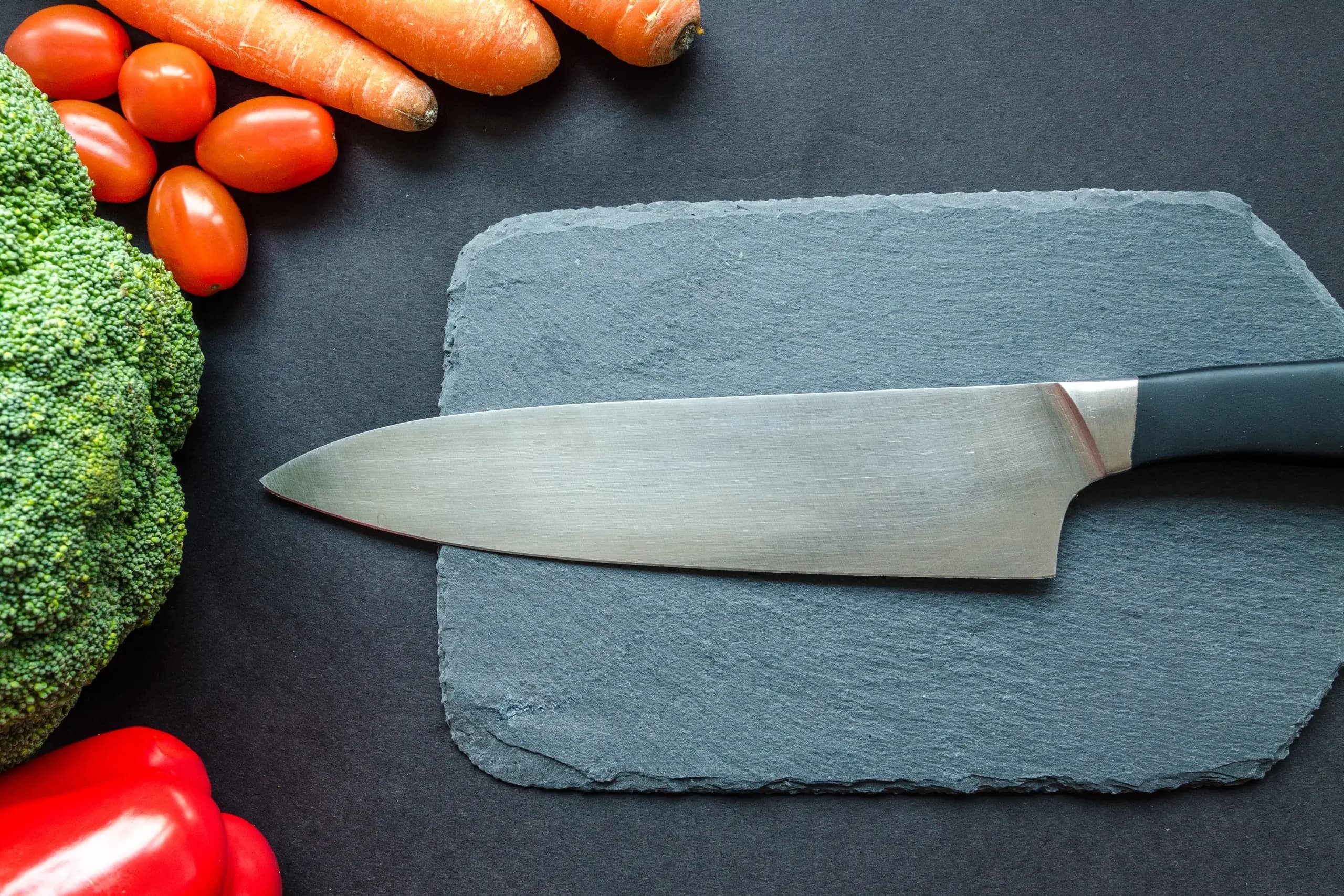
Knives are indispensable tools, wielded with precision in kitchens and workshops alike. Their ability to slice, dice, and mince from proteins to vegetables is unmatched. Yet, the fascination with knives extends beyond their functional prowess; it resides in their care, maintenance, and most importantly, their cleanliness. This article delves into the crucial moments when a knife must be cleaned and sanitized, focusing on the technical specifics and the thoughtful philosophy behind these practices.
At the heart of knife maintenance lies the necessity of cleanliness. A knife that glides through food can seamlessly transition between ingredients, yet it can also become a vessel for contamination if not adequately cared for. Understanding when to clean and sanitize a knife can prevent cross-contamination, safeguard health, and ultimately enhance the culinary experience. Below, we explore numerous scenarios that necessitate the immediate cleaning and sanitization of knives.
1. After Cutting Raw Meat
One of the most critical moments requiring immediate knife cleaning is after slicing raw meat. The juices and bacteria present in raw proteins can easily transfer to other foods if the knife is not cleaned promptly. This transfer poses significant health risks, including contamination with pathogens like Salmonella or E. coli. Therefore, as soon as the task of cutting raw meat concludes, the blade should be thoroughly washed with hot, soapy water, rinsed, and dried.
2. Moving Between Different Food Types
Transitioning a knife from one type of food to another demands immediate cleaning. For instance, if a knife used for cutting onions is subsequently employed to slice apples, the residues from the onion can impart an undesirable flavor to the fruit. This is not solely about hygiene, but also about achieving the pristine taste of each ingredient. Thoroughly washing the knife between uses maintains not only safety but also culinary integrity.
3. After Slicing Foods with Strong Flavors
Ingredients imbued with potent flavors—garlic, chili peppers, or fish—can linger on a blade, impacting future dishes. The aromatic and taste characteristics of these foods can seep into other ingredients, leading to an undesirable amalgamation of flavors. Cleaning the knife after such cutting sessions prevents these strong flavors from contaminating milder dishes, ensuring that each meal retains its intended taste profile.
4. Prior to Preparing Food for Vulnerable Populations
When preparing meals for certain demographics—such as infants, the elderly, or immunocompromised individuals—ensuring that all kitchen tools, especially knives, are impeccably clean and sanitized is paramount. In these instances, the potential for health risks is considerably heightened, thus necessitating rigorous cleaning protocols. This may involve not only washing with soap and water but also sanitization using appropriate food-safe solutions to eradicate any lingering bacteria.
5. Following Use on Contaminated Surfaces
If a knife has come into contact with a surface that may harbor contaminants—such as spills or residues left from previous food preparations—it warrants immediate cleaning. This extends to countertops that have not been sanitized between uses. Establishing a habit of cleaning knives after contact with such surfaces minimizes the risk of cross-contamination, ensuring that your culinary workspace remains an oasis of safety.
6. When Transitioning Between Cooking and Serving
A knife used during cooking may be repurposed for plating and serving. It is prudent to clean the knife in this transition to ensure it remains free from any drippings or residues that might taint the presentation or the enjoyment of the dish. Culinary professionals often have a policy of cleaning knives before they are used for garnishing or plating, thus preserving the integrity of the dish.
7. Before Switching Between Raw and Cooked Foods
Switching from raw ingredients to cooked ones—with a knife that has been used on both—requires immediate cleaning. The reasons are twofold: food safety and flavor preservation. The risk of bacteria transferring from raw to cooked foods is significant. Moreover, the flavors of raw ingredients can impact the subtle profiles of cooked dishes if they are not cleaned away. This transition becomes crucial in elevating the dining experience.
8. After Use in Any Potentially Hazardous Situations
In environments where various allergens (nuts, dairy) or harmful substances (cleaning agents) are present, it is essential to clean knives promptly after use. This allows chefs to pivot between ingredients without risking exposure to any harmful allergens or residues. A quick wash after such uses reinforces a kitchen’s commitment to safety.
9. At the End of the Day
Finally, at the day’s conclusion, cleaning and sanitizing all knives is an essential ritual. Residues left unattended can harden and become much more difficult to clean, possibly harboring harmful bacteria. This end-of-day assessment of kitchen tools is not merely about cleanliness; it represents an acknowledgment of the respect owed to both the tools and the ingredients that have been so skillfully handled throughout the day.
In summary, while the art of using a knife lies in its efficiency and skill, the practice of cleanliness and care is equally pivotal. From cooking to serving, each moment presents a new opportunity to maintain a standard of excellence in food safety and quality. By expanding awareness of when knives must be cleaned and sanitized, one not only preserves the integrity of the dishes prepared but also champions a culture of responsibility in culinary practices. A clean knife is not simply a hygienic choice—it is a manifestation of respect for the craft and for those who partake in the culinary journey.











Leave a Comment