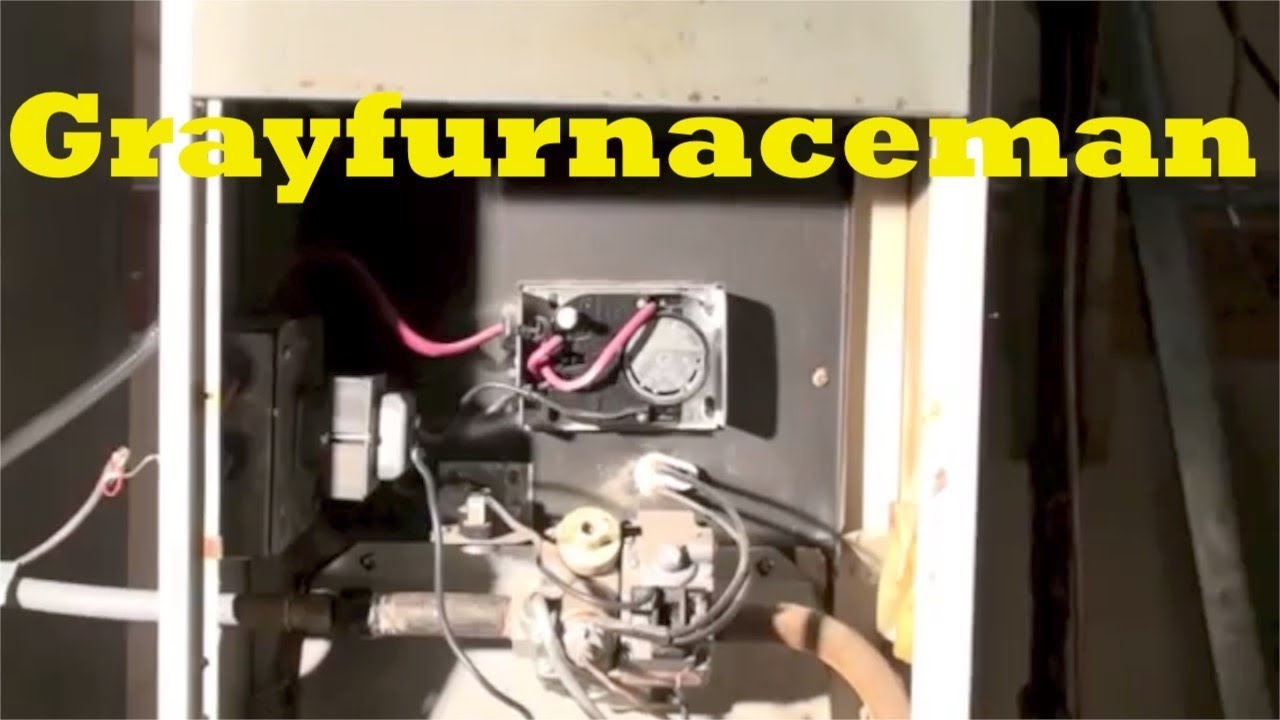
When the cold embrace of winter descends, ensuring that your furnace is operational becomes paramount. One common issue homeowners face is a extinguished pilot light, which can leave you shivering in your own home. This guide will elucidate the steps necessary to reignite your furnace’s pilot light, encompassing safety measures and troubleshooting techniques tailored for various furnace models. By the end, you should feel equipped to tackle this task with confidence.
Understanding the Pilot Light
A pilot light is a small flame that ignites the gas, allowing your furnace to produce warmth. It serves as a reliable source of ignition for gas appliances, including furnaces, water heaters, and stoves. If your pilot light goes out, the gas cannot ignite, leading to a cold house. Knowing how to relight it can save you from unnecessary service calls and restore comfort.
Before You Begin: Safety Precautions
Before diving into the relighting procedure, prioritize safety to ensure a successful endeavor:
- Turn off the Gas Supply: Locate the gas shut-off valve and turn it to the ‘off’ position. This prevents any gas from leaking during the relighting process.
- Wait for Any Residual Gas to Disperse: Allow at least five minutes for any residual gas to dissipate before proceeding. This is crucial for avoiding potential hazards.
- Gather Tools: You may require a long lighter or match, a flashlight, and a screwdriver for cover access, depending on your furnace model.
Types of Furnaces and their Pilot Light Mechanisms
Understanding that different furnaces can employ varied mechanisms is critical. The two predominant types are:
- Conventional Gas Furnaces: These typically feature a straightforward pilot light assembly, offering an easier relighting process.
- High-Efficiency Furnaces: Fitted with an electronic ignition system instead of a pilot light, these furnaces will require a different approach altogether.
Step-by-Step Guide to Relighting a Pilot Light
Once you’ve ensured safety protocols are followed, you can embark on the relighting process, particularly for conventional gas furnaces:
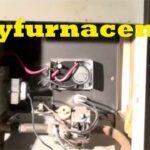
- Locate the Access Panel: Usually found at the bottom of your furnace, the access panel may be secured by screws. Use a screwdriver to remove any fasteners and gain access to the pilot light assembly.
- Examine the Pilot Light and Assembly: Identify the pilot light assembly, which often includes a small tube leading to a flame outlet. Look for any debris or soot that may be obstructing the light.
- Find the Reset Button: Many furnaces incorporate a reset button located near the pilot light. Press this button to clear any malfunctions.
- Light the Pilot: While pressing the reset button (if applicable), use a long lighter or match to ignite the pilot light. Maintain the flame steady, and observe the light’s color; it should burn blue. If it appears yellow or orange, it may indicate incomplete combustion, warranting further inspection by a professional.
- Release the Reset Button: Gradually release the reset button once the pilot ignites successfully. The pilot light should remain lit.
- Replace the Access Panel: After confirming the pilot light is stable, replace the access panel and secure it with screws.
- Turn On the Gas Supply: Finally, turn the gas supply valve back to the ‘on’ position, allowing the furnace to resume normal operation.
Troubleshooting Tips
If the pilot light refuses to stay lit despite your efforts, several issues may be at play:
- Dirty or Clogged Pilot Tube: A buildup of debris or sediment can obstruct the pilot light. Cleaning the pilot tube with compressed air may rectify the issue.
- Faulty Thermocouple: This safety feature detects whether the pilot light is lit. If defective, it can inadvertently shut off the gas supply. Consider consulting a professional for replacement.
- Gas Supply Issues: If the gas supply is interrupted, check for local service interruptions. Additionally, inspect your gas lines for any potential obstruction or leaks.
For High-Efficiency Furnaces
High-efficiency furnaces operate under more intricate systems, typically utilizing electronic ignition. If this system fails:
- Check the Power Supply: Ensure the furnace is receiving power. Check circuit breakers and fuses.
- Inspect the Ignitor: A malfunctioning ignitor may need replacement. This component is typically more complex and may necessitate professional evaluation.
Conclusion
Successfully relighting your furnace’s pilot light is a straightforward process that can save time and money. By adhering to safety protocols and understanding the nuances of your specific furnace model, you can restore warmth to your home efficiently. Should problems persist after attempting these relighting methods, it is prudent to consult a qualified technician to ensure safe and effective furnace operation. Staying warm through the winter is essential, and with this newfound knowledge, you’re well on your way to mastering the nuances of your heating system.







Leave a Comment