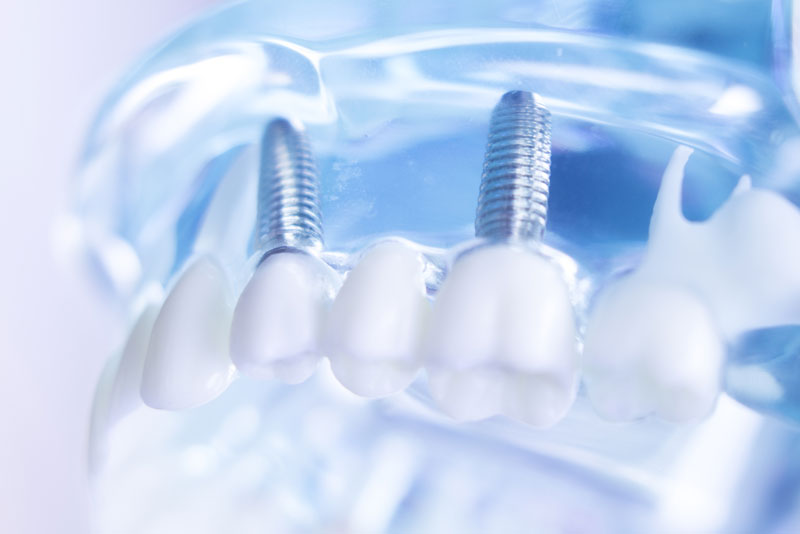
Tooth implants are often hailed as a miraculous solution for restoring missing teeth, offering a permanent and aesthetically pleasing option for those who seek to enhance their smile and oral functionality. However, while the benefits are widely celebrated, it is imperative to delve into the less-discussed realm of potential side effects associated with this dental procedure. Understanding these side effects not only prepares individuals for the journey ahead but also illuminates a fascinating interplay between human biology and dental innovation.
**1. Surgical Risks**
Engaging in any surgical procedure entails inherent risks, and tooth implants are no exception. Patients may experience bleeding, infection, or an adverse reaction to anesthesia. These surgical complications can occur in isolation or in tandem, emphasizing the necessity for meticulous pre-operative assessments and post-operative care.
**2. Osseointegration Issues**
The pivotal moment in the life of a dental implant is osseointegration, the process by which the implant fuses with the jawbone. Failure in this intricate union can lead to implant loosening or even complete failure. Factors such as insufficient bone density, improper alignment, or pre-existing conditions like diabetes can impede this critical process, necessitating advanced imaging and modeling to ensure optimal outcomes.
**3. Sensitivity and Discomfort**
Post-operative sensitivity is a fleeting yet common side effect. Patients might encounter irritation around the surgical site or heightened sensitivity to temperature changes. These sensations, while typically temporary, can be uncomfortable. Employing anti-inflammatory medications and adhering strictly to post-operative guidelines can help mitigate these effects, ensuring a smoother healing trajectory.
**4. Neurological Disturbances**
One of the more enigmatic side effects lies in the realm of neurological disturbances, which may manifest as tingling, numbness, or pain radiating to the gums, lips, or even the chin. These symptoms often stem from accidental nerve damage during surgery. The proximity of dental roots to vital nerve pathways underscores the delicate nature of the implantation process, highlighting the importance of skilled hands and comprehensive planning.
**5. Sinus Complications**
For individuals receiving implants in the upper jaw, sinus-related issues can arise. A poorly placed implant may protrude into the sinus cavity, leading to sinusitis or other sinus-related problems. Symptoms may include nasal congestion, drainage, and discomfort. Pre-surgical evaluations often incorporate sinus metrics to avert such complications, albeit with varying degrees of success.
**6. Aesthetic Concerns**
While most patients anticipate a seamless integration of their new tooth, there exist aesthetic concerns that can detract from the overall satisfaction. Color mismatches, uneven contours, or improper positioning can occur, leading individuals to feel dissatisfied with their smile. Engaging in thorough consultations with skilled professionals allows for the exploration of various materials and designs, reducing the likelihood of disappointment.
**7. Peri-implantitis**
The issue of peri-implantitis—an inflammatory condition affecting the gums around an implant—is significant. Characterized by swelling, discomfort, and, if left untreated, potential bone loss, peri-implantitis arises mainly from poor oral hygiene. Establishing a diligent oral care routine post-implantation is crucial for long-term success, underlining the symbiotic relationship between the body and maintainable health practices.
**8. Possible Implant Failure**
Despite advances in dental technology, implant failure remains an unsettling possibility for many. Factors contributing to this phenomenon include excessive strain on the implant, smoking, or insufficient bone integration. Awareness of these risks can trigger proactive measures, prompting individuals to engage with healthcare professionals regarding lifestyle changes or alternative solutions.
**9. Allergic Reactions**
Metal allergies, although rare, represent a fascinating aspect of implantology that warrants consideration. Some individuals exhibit hypersensitivity to materials commonly used in dental implants, such as titanium or nickel. Allergic reactions might present as localized swelling, inflammation, or systemic responses, necessitating biocompatible alternatives in such cases.
**10. Emotional and Psychological Impact**
Turning to the psychological ramifications, the emotional journey post-implantation can manifest in various ways. Anxiety regarding the aesthetic outcome, functionality of the implant, or the overall experience may lead to altered self-esteem or body image concerns. Psychological support and clear communication with dental professionals can help alleviate these emotional burdens, enabling individuals to embrace their new smiles with confidence.
**Conclusion**
While tooth implants represent an innovative advancement in dental prosthetics, they are not devoid of potential side effects. From surgical risks to aesthetic inconsistencies and psychological impacts, this complex procedure often interweaves triumph and tribulation. Understanding and acknowledging these potential side effects allows individuals to navigate their dental journey more effectively, ensuring not only a successful result but also a broader comprehension of how biological and technological systems interact within the dental landscape. As with any medical procedure, informed decision-making remains the cornerstone of successful outcomes.










Leave a Comment