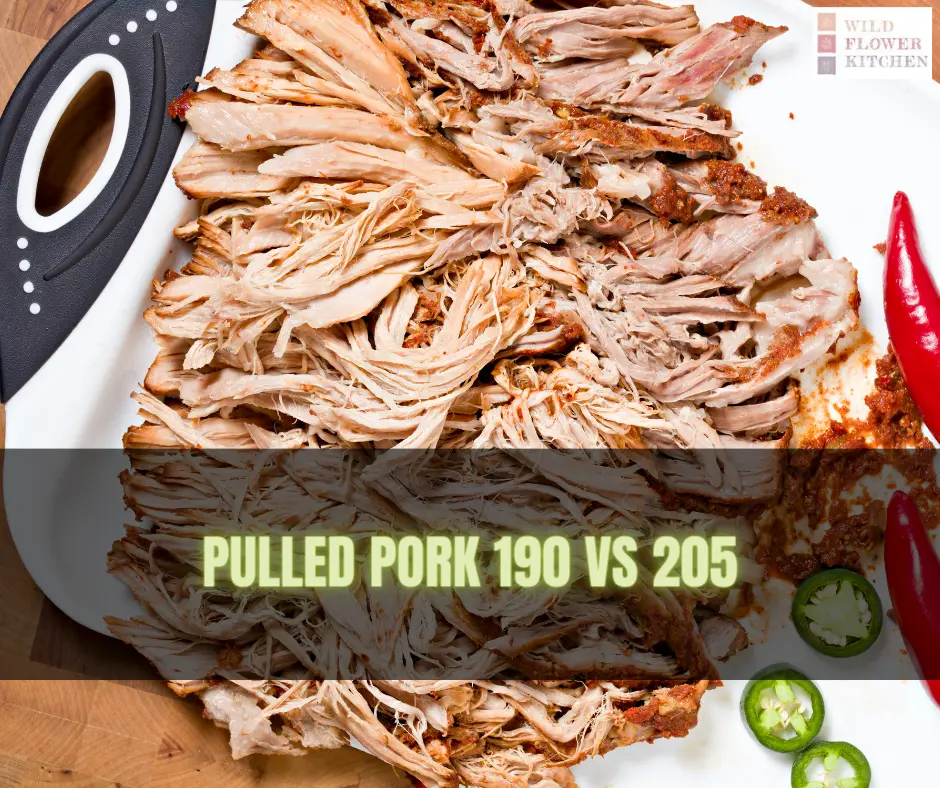
Pork shoulder, a cut celebrated for its versatility and rich flavor, is a favorite among carnivores and culinary enthusiasts alike. Whether you’re preparing to indulge in some succulent pulled pork or a hearty braised dish, understanding the correct internal temperature of pork shoulder is essential to achieve the desired tenderness and flavor. In this guide, we will delve into the nuances of cooking pork shoulder, providing an overview of optimal temperatures, cooking methods, and tips for ensuring safety and satisfaction in your pork endeavors.
First and foremost, the internal temperature of pork shoulder is crucial not only for taste but also for food safety. The USDA recommends cooking pork to a minimum internal temperature of 145°F (63°C) for safe consumption. However, pork shoulder is a unique cut renowned for its abundant fat content and connective tissues, which benefit from longer cooking times at lower temperatures to break down those fibers and achieve a deliciously tender consistency.
When aiming for tenderness, the ideal internal temperature for pork shoulder to reach its maximum potential is between 195°F and 205°F (90°C to 96°C). At these temperatures, the collagen present in the meat dissolves into gelatin, creating that melt-in-your-mouth texture cherished in barbecue joints and home kitchens alike.
But how do you arrive at these perfect temperatures? Here, we explore various cooking techniques that can facilitate optimal results:
- Slow Cooking: One of the most forgiving methods is slow cooking, whether in a crockpot or a low-temperature oven. Set your cooker to a low setting (around 200°F to 250°F or 93°C to 121°C) and allow the pork shoulder to languish for several hours. This method encourages uniform cooking and enhances flavor, allowing spices and seasonings to penetrate deeply into the meat.
- Smoking: The art of smoking pork shoulder is revered among barbecue aficionados. Smoking typically occurs at temperatures ranging from 225°F to 250°F (107°C to 121°C). This technique promotes a unique flavor profile and a stunning bark—a crusty exterior that develops from seasoning and smoke exposure. Using wood chips like hickory or applewood infuses additional depth to the dish, making it irresistible.
- Roasting: A more traditional approach, roasting pork shoulder in an oven can yield impressive results. Start at a high temperature (around 400°F or 204°C) for the first hour to create a crust, then decrease the temperature to around 225°F (107°C) for slow roasting. This method can meld flavors beautifully while allowing for a crispy outer layer.
- Braising: For those who appreciate an elevated culinary experience, braising pork shoulder is an excellent choice. This cooking method involves searing the meat to lock in flavors, followed by slow cooking in a flavorful liquid. Using broth, wine, or even apple cider can enrich the dish. Aim for low temperatures, similar to slow cooking, making this an ideal method for optimal tenderness.
In achieving the perfect temperature, using a reliable meat thermometer is paramount. Insert it into the thickest part of the pork shoulder, ensuring it does not touch the bone, which can produce inaccurate readings. Monitoring the internal temperature during cooking enables the home chef to make informed decisions about resting time—another crucial element in cooking.
After removing the pork from heat, allow it to rest for at least 30 minutes. This respite permits juices, which have been driven toward the surface during cooking, to redistribute evenly throughout the meat, resulting in a juicier final product. The resting period is where the internal temperature can also rise slightly—an occurrence known as “carryover cooking”—adding a few crucial degrees to enhance tenderness.
Notably, the cut of pork shoulder can also influence cooking dynamics. There are distinct types, such as the Boston butt and picnic shoulder. Each cut contains varying levels of fat and connective tissue, which may require slightly adjusted cooking times or techniques to achieve perfect doneness. Understanding these differences can refine your approach to preparing pork shoulder, allowing for tailored recipes and methodologies.
Some may wonder about seasoning. To enhance the flavor of pork shoulder, consider a spice rub—a mixture of salt, sugar, and an array of spices such as paprika, garlic powder, and ground mustard. Rub it generously into the meat at least a few hours (or up to overnight) prior to cooking for a flavor infusion that will tantalize the taste buds upon serving.
In conclusion, the art of cooking pork shoulder hinges on understanding the importance of internal temperature. From achieving a sumptuous roast to perfecting your pulled pork routine, knowing when to pull the meat from the heat is fundamental. As you experiment with various cooking methods and seasonings, remember that patience is essential—a well-cooked pork shoulder is a testament to the joys of low-and-slow culinary techniques. Whether you prefer the smoky allure of barbecued pork or the rich, saucy indulgence of shredded shoulder, mastering the ideal internal temperature will elevate your cooking game, delivering mouthwatering results every time.











Leave a Comment