Introduction
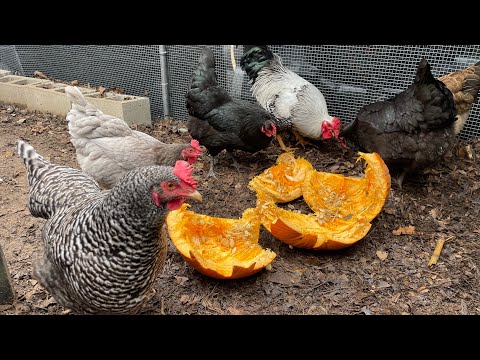
The poultry kingdom is a realm full of curiosities, from their clucking conversations to their inquisitive pecking at the ground. Among the assorted foods that can nourish these delightful creatures, pumpkin seeds stand out, captivating both chicken keepers and enthusiasts alike. As fall approaches and pumpkins become a staple in harvest decorations and culinary creations, the utilization of pumpkin seeds opens up a delightful avenue for chicken owners. But can chickens indeed eat pumpkin seeds? This question leads us not only to the nutritional benefits but also to a broader understanding of avian diets and the ways we can enhance their well-being.
The Nutritional Value of Pumpkin Seeds
Pumpkin seeds, also known as pepitas, are nutritional powerhouses laden with a variety of essential nutrients. Rich in protein, healthy fats, vitamins, and minerals, they harbor benefits that can contribute to the overall health of chickens. These seeds contain significant levels of zinc, magnesium, phosphorus, and iron, which play critical roles in avian physiology. Zinc is particularly noteworthy for fostering immune function, while magnesium can assist in muscle and nerve function.
Moreover, the presence of Omega-3 and Omega-6 fatty acids supports the health of feathers and skin. A luscious plumage is not only visually appealing but also serves as a protective barrier against adverse environmental factors. By incorporating pumpkin seeds into their diet, chicken owners may witness improvements in feather quality and overall vitality.
Should You Feed Chickens Pumpkin Seeds?
The mere question of whether chickens should eat pumpkin seeds invites further exploration. Yes, chickens can safely consume these seeds; however, moderation is key. Treats should constitute no more than 10% of their daily food intake. When introduced correctly, pumpkin seeds can serve as an enticing supplement that diversifies their menu while simultaneously bolstering their dietary intake.
Feeding chickens raw or roasted pumpkin seeds is often preferred. Unsalted varieties are ideal, as salt can lead to health complications. Furthermore, breaking the seeds down into smaller pieces can facilitate easier digestion, especially for younger or smaller chickens.
The Mechanical Benefits of Pumpkin Seeds
Aside from their impressive nutrient profile, pumpkin seeds have a unique mechanical benefit: they can assist in the natural deworming process. The presence of cucurbitacin—an amino acid compound—within the seeds is believed to exhibit anti-parasitic properties. This characteristic can aid in controlling internal parasites, which are notorious for affecting the health and productivity of backyard flocks. Empowering your chickens with such a natural remedy contributes to an overall holistic approach to their health management.
Feeding Techniques & Tips
Successfully integrating pumpkin seeds into a chicken’s diet requires thoughtful consideration. Here are several techniques and tips that can enhance the feeding experience:
- Introduce Gradually: Start by offering a small amount of pumpkin seeds to your flock. This approach allows chickens to acclimate to the new food, minimizing the risk of digestive upset.
- Mix with Regular Feed: Combine pumpkin seeds with their regular feed to augment their diet without overwhelming them with a drastic change.
- Use as Treats: Utilize pumpkin seeds as a reward during training exercises or to encourage chickens to engage in natural foraging behaviors.
- Observe Reactions: Monitor your chickens closely for any unusual behaviors or health issues after introducing pumpkin seeds. Should any adverse reactions arise, it is advisable to discontinue feeding them.
Potential Concerns and Considerations
Despite their numerous advantages, certain considerations must be observed when feeding pumpkin seeds to chickens. Certain chickens, particularly those with sensitive digestive systems or specific health conditions, may not tolerate new foods as well as others. Therefore, it’s prudent to consult with a veterinarian, especially if there are pre-existing health concerns or if you’re unsure about dietary changes. In addition, always ensure fresh and uncontaminated seeds are used, as spoiled or moldy seeds can pose significant health risks.
The Enrichment Factor
Chickens are inherently curious creatures, and incorporating sunflower seeds into their diet can enhance their environmental enrichment. Scatter the seeds throughout their run or foraging area, prompting them to engage in their natural scavenging instincts. This not only stimulates their minds but also provides a healthy form of physical activity that is essential for maintaining their overall happiness and well-being.
Conclusion
The question of whether chickens can eat pumpkin seeds leads us into an intricate tapestry of avian health and nutrition. Not only can these seeds provide an array of beneficial nutrients and mechanical advantages, but they also enrich the lives of chickens through engagement and stimulation. As you venture further into the world of poultry care, consider the multifaceted contributions of simple additions like pumpkin seeds. By doing so, you’re not just nurturing chickens; you’re fostering a more vibrant and healthier flock, all while satisfying their innate curiosity.










Leave a Comment