Building a concrete block shed foundation is an excellent choice for those seeking durability and stability in their outdoor structures. A properly constructed foundation not only supports the shed but also protects it from moisture infiltration, rot, and pest invasion. In this detailed guide, we will explore the myriad aspects of creating a concrete block shed foundation, illuminating various types of foundations, the requisite materials, essential tools, and a step-by-step construction process to help your project flourish.
Types of Concrete Block Shed Foundations
When embarking on the journey of creating a concrete block shed foundation, it’s crucial to understand the various types available, as each serves a unique purpose and provides distinct advantages:
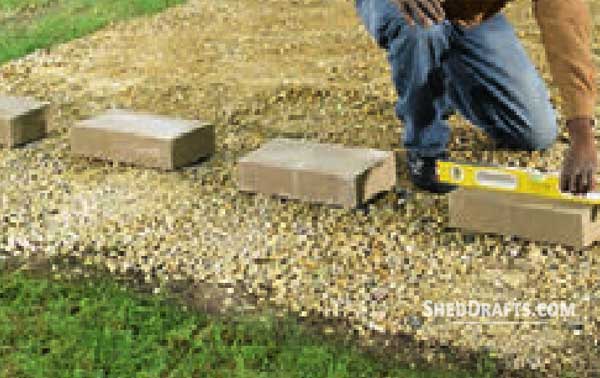
- Pillar Foundation: This type leverages concrete blocks to create pillars that elevate the shed off the ground. Ideal for situations where water drainage is a concern, pillar foundations minimize moisture contact, thus prolonging the structure’s longevity.
- Full Block Foundation: A full block foundation involves building a continuous wall of concrete blocks around the perimeter of the shed. This method is especially beneficial for larger sheds requiring significant structural support, as it redistributes weight evenly and provides excellent stability.
- Stem Wall Foundation: Combining elements of both full block and pillar foundations, a stem wall foundation features a short wall of concrete blocks atop a footing, with the space above filled with gravel or another drainage material. This design allows for excellent drainage and is suitable for various soil types.
- Concrete Pad Foundation: While not composed entirely of blocks, a concrete pad provides substantial support. Essentially a slab, this foundation type is poured directly onto the ground and can act as an excellent base for lighter structures.
Materials Required
To embark on your concrete block shed foundation venture, assembling the right materials is paramount. The following is a comprehensive list:
- Concrete Blocks: Opt for hollow or solid concrete blocks, depending on your chosen foundation type.
- Concrete Mix: For any footers or pads, a pre-mixed concrete solution will suffice, ensuring a sturdy base.
- Gravel: Utilized primarily for drainage, it helps mitigate moisture issues and aids in ground stability.
- Rebar: Steel reinforcement bars lend added strength to your concrete and are essential for larger foundations.
- Waterproofing Sealer: A high-quality sealer is imperative to protect against moisture and extend the lifespan of your foundation.
- Expanding Foam Insulation: Used for added insulation around the perimeter, it helps maintain a stable temperature in the shed.
Essential Tools
Equipping yourself with the right tools is just as crucial as having the proper materials. Below are the essential tools needed to construct your shed foundation:
- Level: A must-have for ensuring your foundation is perfectly horizontal, preventing structural issues.
- Trowel: Essential for smoothing out concrete and filling in gaps between blocks.
- Shovel: Necessary for digging, as well as for moving gravel and concrete mix effortlessly.
- Wheelbarrow: Ideal for transporting heavy materials like concrete mix and gravel.
- Concrete Mixer: For large projects, a concrete mixer saves considerable time and effort by yielding a consistent mix.
Construction Process
With the materials and tools at your disposal, it’s time to dive into the construction process. Follow these steps for optimal results:
- Select a Site: Choose a level area with good drainage away from trees and standing water.
- Clear and Excavate: Remove any vegetation and debris. Excavate the ground to the desired depth for your foundation.
- Install Footers (if required): Depending on your foundation type, dig trenches for footers, mixing and pouring concrete into the cavities.
- Place Concrete Blocks: Start laying the blocks in your chosen pattern—either in a single row for pillar foundations or stacking for full walls. Use level tools to ensure alignment.
- Reinforce with Rebar: Insert rebar where applicable for added structural integrity, especially in larger foundations.
- Fill Empty Spaces: If using hollow blocks, fill them with concrete or gravel to provide additional strength.
- Seal the Foundation: Once constructed, apply a waterproof sealer to protect against moisture infiltration, followed by insulation if desired.
Conclusion
A concrete block shed foundation is a robust choice for reinforcing the longevity and stability of your outdoor structures. By understanding the different types of foundations, gathering the right materials, and following a definitive construction process, you create a secure base that will withstand the test of time. As with any construction project, meticulous planning and execution are essential. Armed with the knowledge detailed in this guide, your foundation will serve as a solid starting point for your shed, ensuring it remains a reliable asset for years to come.







Leave a Comment