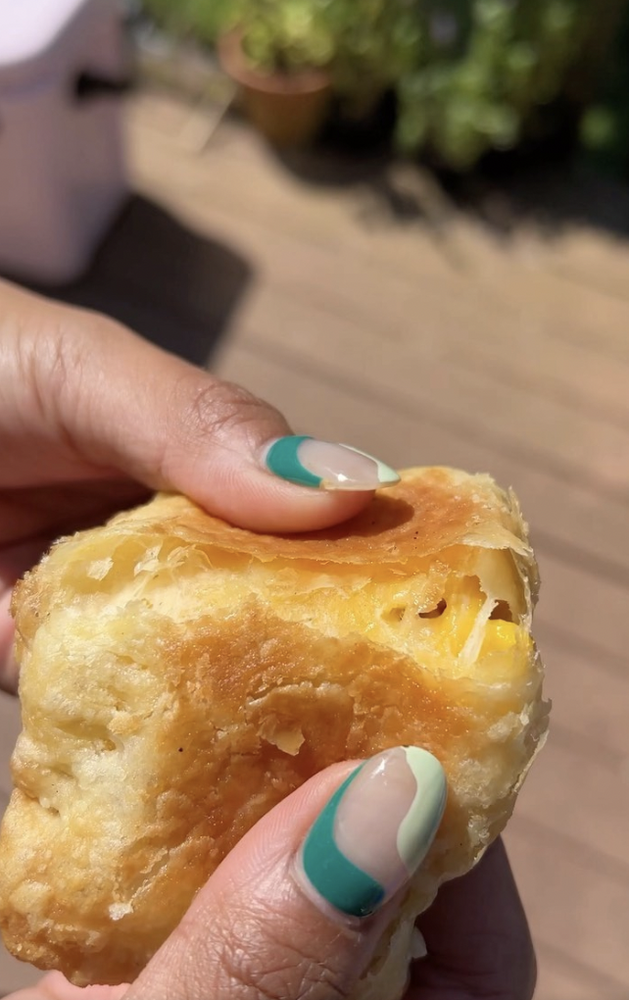
When one encounters a bag of corn puffs, it’s easy to dismiss them as mere snacks, yet these airy morsels evoke a sense of nostalgia and curiosity. Perhaps it’s the satisfying crunch, or the way they dissolve effortlessly on the tongue, that compels us to delve deeper into their creation. Understanding how corn puffs are made unveils a fascinating intersection of science, culinary artistry, and industrial innovation that captivates our senses and ignites our imaginations.
The genesis of corn puffs begins with the humble kernel. Corn, a staple crop cultivated for centuries, undergoes an intricate transformation from its raw form. The first step in making corn puffs involves selecting high-quality corn, specifically varieties designed for processing. This corn is meticulously cleaned to remove impurities and ensure only the finest grains contribute to the final product.
Once cleaned, the corn is then subjected to a process known as gelatinization. This crucial stage involves cooking the corn at high temperatures, often in the presence of moisture, to break down the starches within the kernels. The starch that is gelatinized assumes a viscous, malleable texture, preparing it for the next transformative step.
Subsequently, the gelatinized corn undergoes extrusion, a process that is as fascinating as it is essential. Extrusion involves forcing the corn mixture through a specially designed machine called an extruder. Here, high pressure and temperature create a unique environment conducive to a rapid change in the corn’s structure. The extruder employs a series of blades and chambers that intensively mix and heat the corn paste, causing it to expand dramatically as it exits the machine. This phenomenon is often referred to as puffing, resulting in the light, airy texture that defines corn puffs.
The puffing process is not merely a random occurrence; it is dictated by specific parameters such as moisture content, temperature, and pressure. A delicate balance is required to achieve the perfect puff. Too much moisture can lead to soggy textures, while insufficient heat might result in poorly expanded puffs. Observing this precise dance between nature and engineering invites admiration for the craftsmanship behind each bite. Once extruded, the corn puffs are cut into the desired shapes, commonly sticks or rings, and allowed to cool before entering the next stage of production.
One might wonder about the flavor explosion found within these seemingly simple snacks. To enhance their allure, corn puffs undergo seasoning—a step that plays a pivotal role in defining their taste. Commonly, this involves a blend of salt, cheese powder, spices, or even more unique flavorings depending on the manufacturer’s intent. The coating process often utilizes a tumbling mechanism, whereby the puffs are recycled through the seasoning equipment, ensuring an even, generous application that tantalizes the palate.
An equally significant aspect of corn puff production is ensuring consistency in quality, which involves rigorous testing and quality control measures at various points along the production line. These practices ensure that each bag contains puffs that are not only delicious but visually appealing and texturally satisfying. Employing this meticulous attention to detail fosters trust in consumers and contributes to the brand’s reputation.
Beyond the manufacturing site, the magnetic allure of corn puffs transcends mere consumption. An array of factors contributes to their charm: the inviting crunch, the playful shapes, and the whimsical experience of enjoying something seemingly light and airy. Corn puffs often evoke cherished childhood memories for those who recall snack time or movie nights, creating an emotional connection between the consumer and the product.
Moreover, the exploration of corn puffs offers a glimpse into broader agricultural and industrial practices. The corn used in these snacks represents a significant agricultural commodity, influenced by market fluctuations, farming techniques, and ecological considerations. As climate change increasingly affects agricultural yields, understanding our reliance on crops like corn reveals a pressing need for sustainable practices. By appreciating the journey of corn puffs from field to factory, consumers are implicitly engaging with intricate dialogues about food production, environment, and health.
In navigating the multifaceted world of corn puffs, one uncovers not only the mechanics behind their tantalizing crunch but also the socio-economic implications of their production. The process of making corn puffs exemplifies the harmonious blend of tradition and technology, where age-old agricultural practices intersect seamlessly with cutting-edge industrial methods. Consumers savoring these delightful snacks are inadvertently partaking in a rich tapestry of history, science, and innovation.
In conclusion, corn puffs are much more than a crunchy indulgence; they are a testament to the ingenuity of the food industry. From their humble origins as corn kernels to their transformation into a favored snack, understanding how corn puffs are made invites us to reflect on the complexities of food production. The next time you reach for a bag of corn puffs, take a moment to appreciate the journey these morsels have taken. It is an experience not only of taste but one that highlights our intricate connection to the land and the labor that fuels our appetites.








Leave a Comment