Introduction
The dark allure of violence often captivates human curiosity, and the very notion of inflicting bodily harm—especially through acts as heinous as smashing someone’s head open—evokes a mixture of horror, intrigue, and disbelief. Such vivid imagery beckons an exploration into the legal ramifications and psychological underpinnings of what drives individuals toward such reprehensible actions. While the visceral reaction to the act itself might feel instinctive, understanding the spectrum of consequences, both legal and psychological, sheds light on this complex behavior.
The Gravity of the Act
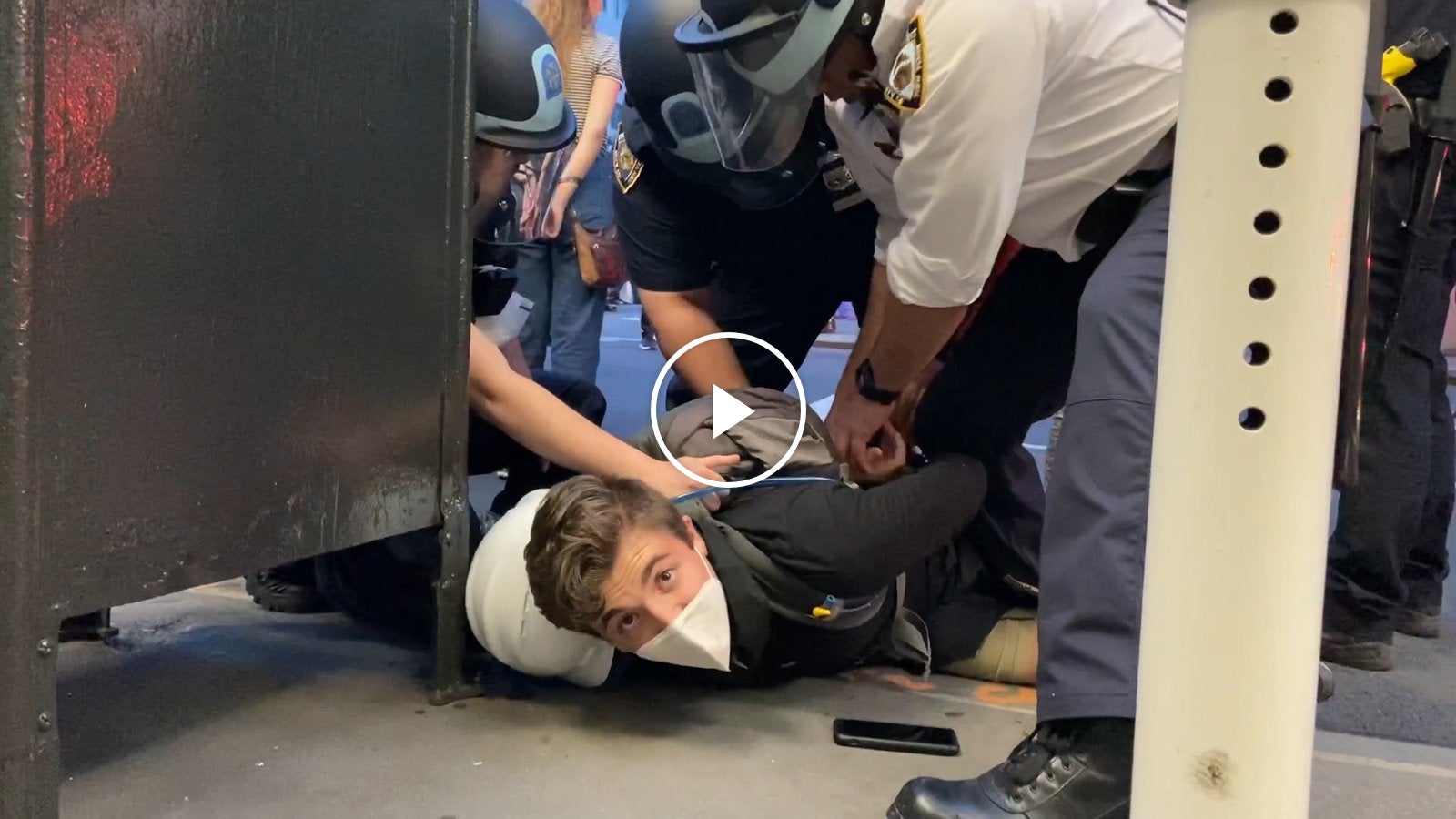
Engaging in an act of brutal physical aggression can lead to a plethora of ramifications. The immediate question that arises is: Can you get arrested for such violent behaviors? The unequivocal answer is yes. Smashing someone’s head open is not just an act of aggression; it constitutes a violent crime that falls under numerous legal classifications, including assault and battery, attempted murder, or aggravated assault, depending on the jurisdiction and severity of injuries inflicted.
Furthermore, the legal system takes such actions extraordinarily seriously. Even a single punch that results in significant injury can lead to felony charges—crimes that carry heavy penalties, such as prolonged imprisonment and hefty fines. Laws are designed to protect individuals from physical harm, and engaging in violence not only violates those laws but also breaks the social contract that binds society together.
Legal Defenses and Considerations
In the face of such dire legal consequences, one may ponder if there are defenses against these actions. The law accommodates various defenses that individuals may assert in the aftermath of a violent incident. Common defenses include self-defense, where the perpetrator asserts that their aggressive actions were necessary to protect themselves from imminent harm. However, for this defense to hold, the response must be proportional to the perceived threat.
Another defense might involve mental incapacitation, where the assailant argues they were not in a sound state of mind during the incident. While this may provide some legal recourse, the burden of proof is substantial, and successfully navigating the complexities of such a defense often requires a comprehensive understanding of legal nuances and psychological evaluations.
The Psychological Factors
Exploring the motivations behind violent behavior unveils a complex tapestry woven from psychological, social, and environmental factors. Individuals who resort to extreme violence may do so for varied reasons—ranging from impulsive reactions driven by intense emotions such as rage or jealousy, to deeper-seated psychological disorders that manifest through aggression.
The phenomenon of ‘anger management issues’ is particularly salient in discussions of violent behavior. Impulsivity, lack of coping mechanisms, and a history of trauma can culminate in explosive confrontations that have devastating outcomes. Understanding these psychological triggers not only provides insight into individual behaviors but also emphasizes the importance of mental health support and intervention.
The Cultural Fascination with Violence
The fascination with extreme violence—indeed, the macabre allure of acts like smashing someone’s head open—can be traced to human nature itself. From ancient civilizations that revered gladiators to modern films and television that sensationalize violence, society exhibits a preoccupation with the drama of human conflict. This intrinsic attraction raises poignant questions about desensitization to violence and societal norms that might inadvertently normalize aggressive behavior.
The prevalence of violent imagery in media has been both criticized and defended as reflective of cultural narratives. It is integral to comprehend how such portrayals shape societal attitudes towards violence, often blurring the lines between entertainment and reality. The consumable nature of violent content fosters a paradox; while it can serve as a thrilling escapism, it also risks desensitizing viewers to real-life repercussions of similar actions.
Consequences Beyond Arrest
Beyond the immediate legal ramifications and societal responses, engaging in acts of violence leads to lasting personal consequences. Individuals who perpetrate such acts may grapple with profound guilt, shame, and a tarnished reputation that can follow them long after legal matters are resolved. Relationships with family, friends, and community can become irrevocably altered, affecting mental health, employment opportunities, and overall quality of life.
Moreover, victims of violence often experience long-lasting trauma that transcends physical injuries. The psychological impact of such brutality can manifest in various forms, including post-traumatic stress disorder (PTSD), anxiety, and depression. The ripple effects of violence indeed extend beyond the immediate act, reshaping the lives of those directly affected and the broader community.
Conclusion
The inquiry into whether one can face arrest for violently smashing someone’s head open unveils a complex interplay of legal, psychological, and sociocultural dimensions. While the immediate response to such violent actions may be revulsion and horror, delving into the intricacies of the law, the psychological motivations, and societal influences invites a broader conversation. Understanding the implications of violence urges a reconsideration of personal responsibility, the significance of mental health support, and the cultural narratives that frame our views. Ultimately, recognizing the weight of these actions emphasizes the continued necessity for dialogue around violence in our society and the paths to preventing it.










Leave a Comment