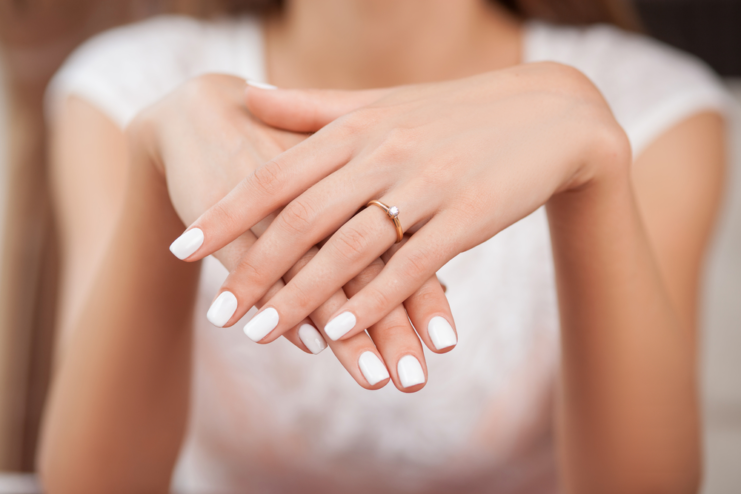
Promise rings symbolize a commitment between individuals, manifesting hopes, dreams, and unspoken vows. Traditionally exchanged between partners, these rings carry profound emotional significance, celebrating relationships at various stages. While most people have a clear idea of wearing engagement and wedding rings, the choice of the finger for a promise ring is less defined. This article will delve into the nuances of which finger is most appropriate for a promise ring, exploring traditions, cultural variations, and personal choices.
1. Understanding the Symbolism of a Promise Ring
At its core, a promise ring represents a pledge, often of love, fidelity, or a future engagement. The act of giving and receiving such a ring can denote various commitments, ranging from a formal engagement to a simple promise of love and support. The finger on which a promise ring is worn can enhance its meaning, adding layers of significance to the promise it symbolizes.
2. The Traditional Finger: The Ring Finger
In many cultures, particularly in the Western world, the ring finger of the left hand stands out as the most common choice for a promise ring. This preference largely stems from the belief that this finger contains the “vena amoris” or vein of love, which was once thought to be directly connected to the heart. Wearing a promise ring on the left ring finger infers a deep emotional bond, akin to that of an engagement ring. Over time, it has become customary to reserve this finger for rings that denote significant romantic promises.
3. The Right Hand Option
Interestingly, some individuals choose to wear a promise ring on the right hand, often as a means to differentiate this commitment from a more serious engagement or marriage. This approach can symbolize a declaration of individuality and independence. Wearing a promise ring on the right hand also allows for personal expression without the societal pressures associated with engagement or wedding rings.
4. Cultural Context and Variability
Different cultures have varying practices when it comes to promise rings and their associated meanings. In certain cultures, promise rings are given, and subsequently worn, on fingers other than the traditional ring finger, depending on established customs. For instance, in some Spanish-speaking countries, a promise ring may be worn on the right hand, suggesting a pledge of friendship or love, which does not necessarily indicate impending marriage.
5. Age and Relationship Status Influence
When selecting the finger for a promise ring, one’s age and relationship status may play a significant role. Younger couples – often still exploring the depths of their relationship – might choose to wear promise rings on the left hand to signify serious intentions without rushing into engagement. In contrast, adults in long-term relationships may prefer the right hand for their promise rings, reinforcing their commitment while clearly distinguishing it from a marriage vow.
6. Personal Aesthetic and Comfort
Beyond tradition and cultural significance, personal style and comfort are paramount in determining where to wear a promise ring. Some individuals may wish to wear the ring on a finger that best aligns with their hand shape or offers the most comfort. This leads to a more natural feeling when wearing the ring, enhancing the emotional connection one feels when adorned with it.
7. Interchanging Ring Position
There are no hard and fast rules about where a promise ring should reside. Many may choose to move their promise ring from finger to finger, depending on their current life phase or preferences at any given time. Interchanging the ring’s position can reflect changes in the individual’s emotional landscape or signify a shift in the relationship dynamic, highlighting the fluidity of commitment.
8. The Accent of Stacking Rings
Recently, stacking rings have gained popularity, allowing individuals to wear multiple rings on one finger. A promise ring can be part of this fashionable trend, sitting alongside other rings that hold meaning. This method not only allows for personal expression but also makes a bold statement about the layers of commitments one might celebrate within their personal life.
9. Beyond Romance: Other Types of Promise Rings
While promise rings are predominantly viewed through the lens of romantic relationships, they can also symbolize personal promises or commitments to oneself or significant friendships. In this context, the finger choice becomes even more personal and entirely dictated by the individual’s taste rather than traditional customs.
10. Communication is Key
Ultimately, the choice of finger for a promise ring is personal and may vary from one couple to another. Discussions surrounding the symbolism and position of promise rings can deepen relational understanding and connection. Open dialogues about what the promise signifies can pave the way for a more meaningful shared experience.
In conclusion, the question of what finger to wear a promise ring on is not bound by rigid tradition; instead, it embodies a range of personal, cultural, and relationship dynamics. Whether adorning the left hand’s ring finger or taking a more unconventional route on the right hand, the significant aspect remains the promise itself. Selecting the right finger is but a means to express a moment of connection, love, or hope for the future, allowing individuals to celebrate their unique journeys together.











Leave a Comment