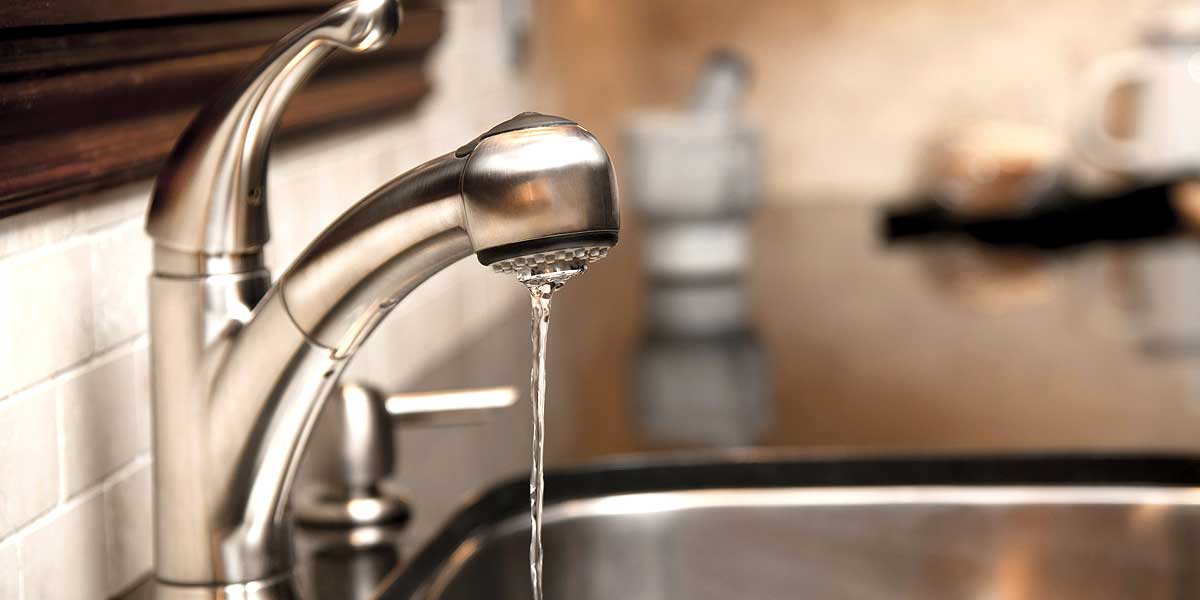
Experiencing a sudden drop in water pressure at your kitchen sink can provoke a cocktail of frustration and concern. Water pressure is not just a mere convenience; it is a pivotal component of a functional kitchen. It influences everything from how quickly you can wash dishes to the efficiency of filling pots and pans. When the water pressure falters, it beckons beneath the surface a plethora of intricate issues that deserve exploration.
Numerous factors contribute to the vexing phenomenon of reduced water pressure. Let’s delve into the most common causes, their implications, and methods for remediation.
1. Clogged Faucets and Aerators
One of the most straightforward culprits of low water pressure is the presence of mineral deposits and debris in your faucet aerator. Over time, sediment can accumulate, restricting the flow of water. Disconnecting the aerator for a thorough cleaning can often restore normal pressure without the need for extensive repairs. Regular maintenance of aerators is a proactive measure that enhances both the performance of your faucet and the quality of water dispensed.
2. Faulty Pressure Regulator
If you’ve recently installed a pressure regulator, it might be malfunctioning or improperly calibrated. These devices are designed to maintain consistent water pressure throughout your plumbing system. A faulty regulator may lead to uneven pressure distribution, creating sensations of both low pressure and sporadic surges. Checking and adjusting or replacing the regulator can be essential for ensuring that you achieve optimal water pressure in your kitchen.
3. Leaks in Supply Lines
Leaks are insidious adversaries in plumbing. When supply lines develop leaks, not only does water escape your system, but you may also notice a significant drop in pressure. Investigate for signs where water may be seeping—whether that’s in the walls, under the sink, or close to appliances. A meticulous inspection could expose a hidden leak, allowing prompt repairs that resolve the low water pressure while preventing further damage.
4. Obstructions in Pipes
Pipes can become encumbered with rust, accumulated minerals, or other foreign objects, leading to diminished water flow. This blockage can be trickier to diagnose since it may occur deeper within the plumbing network. Call upon a professional plumber equipped with the right tools, such as a pipe snake, to identify and mitigate these obstructions effectively. Regular inspections are also a worthy investment to keep your plumbing in prime condition.
5. Issues with the Municipal Supply
Your water supply isn’t solely within your control; it can be influenced by external factors. Municipalities may lower water pressure for various reasons, such as maintenance work or increased demand during peak hours. Staying informed about local water advisories can help you understand systemic issues that are beyond your plumbing’s immediate reach.
6. Faulty Shut-Off Valves
Another aspect worth examining is the shut-off valve, often overlooked but crucial in controlling water flow. If this valve is not fully open, it may be restricting the volume of water that can reach your sink. Check whether the valve under your sink is opened completely. Adjusting it might resolve those low-pressure woes quite quickly.
7. Water Heater Issues
If your kitchen sink is connected to a hot water line, troubles with the water heater could manifest as reduced pressure. Whether it’s sediment buildup in the heater tank or potentially failing components, addressing the issue may require professional assistance. Regular flushing of the water heater can prolong its life and efficiencies, thus ensuring steady pressure and hot water supply.
8. Aging Plumbing
As pipes age, they may suffer from corrosion or deterioration, which can constrict flow and adversely affect pressure. Older homes, in particular, are prone to such issues. If your plumbing is dated, consider consulting a plumber about a long-term solution, including replacement or retrofitting with more modern materials such as PEX or PVC that ensure improved flow.
9. Lifestyle Factors
Your water pressure can also be impacted by your household’s water usage habits. If multiple appliances—like dishwashers, washing machines, or irrigation systems—are in use simultaneously, they may sap pressure from the kitchen sink, leading to frustration. Establishing an awareness of water use during peak hours can help manage this more effectively.
10. Routine Maintenance
Lastly, an often-overlooked solution to potential pressure problems lies in maintaining your plumbing system. Regular inspections, immediate repairs of leaks, and diligent cleaning of aerators can not only avert crises but enhance overall performance. Having a consistent maintenance schedule keeps everything flowing smoothly.
In conclusion, the experience of diminished water pressure at your kitchen sink can be indicative of a myriad of underlying issues, from the innocuous to the complex. By understanding the potential causes outlined herein, homeowners can navigate their choices with greater prudence and preparedness. With meticulous inspections and proactive maintenance, one can mitigate low pressure challenges, ensuring that the kitchen – undoubtedly the heart of the home – continues to flow efficiently.







Leave a Comment