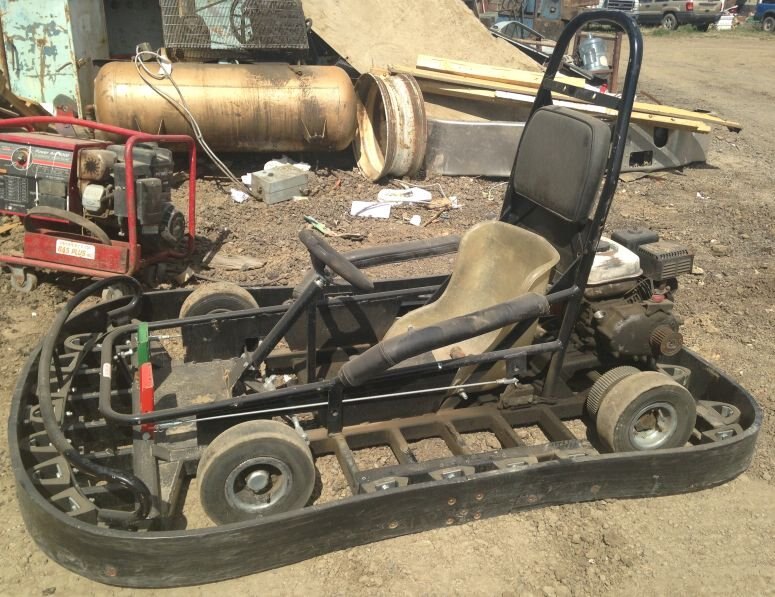
Gas-powered go-carts evoke a sense of exhilaration and nostalgia that captivates the hearts of enthusiasts and casual riders alike. The alluring hum of the engine, combined with the thrill of speed, provides an experience that transcends the mundane. This article delves into the intricate world of gas-powered go-carts, examining their design, performance, and cultural significance, while exploring the deeper reasons behind their enduring popularity among diverse audiences.
1. The Anatomy of a Gas-Powered Go-Cart
To fully appreciate gas-powered go-carts, it is essential to understand their construction. Typically, they comprise a durable chassis, a powerful engine, and robust tires that can withstand the rigors of the track. The chassis provides the structural integrity necessary for high-speed maneuvers, while the engine—often a two-stroke or four-stroke variant—delivers the punch required for rapid acceleration. Tires, designed for optimal grip and cornering, play a crucial role, enhancing stability and driving precision.
2. Engine Specifications and Performance
The heart of any go-cart is its engine. Gas-powered go-carts generally feature engines ranging from 50cc to over 250cc. Smaller engines, while efficient and lightweight, are perfect for novices. In contrast, larger engines cater to seasoned racers, delivering blistering speeds that can exceed 70 miles per hour. The choice of engine affects not only speed but also torque and throttle response, leading to an engaging driving experience.
3. Suspension and Handling Dynamics
Suspension systems in gas-powered go-carts dramatically influence handling. Most models utilize either rigid axle or independent suspension variations. A rigid axle offers simplicity, enhancing durability for recreational use. Conversely, independent suspension systems provide superior handling, allowing for sharper turns and better control over uneven terrain. Those who seek adrenaline should favor models equipped with advanced suspension, enabling them to navigate tight circuit twists with finesse.
4. Customization and Tuning Potential
One of the most enticing aspects of gas-powered go-carts is their customization potential. Enthusiasts can personalize their carts by modifying engines for additional horsepower, altering gearing ratios, or even fine-tuning the suspension. Custom paint jobs, upgraded body kits, and racing decals allow drivers to express individuality. For many, the desire to modify extends beyond aesthetics; it becomes a quest for performance enhancement—where individual expertise and creativity meet mechanical prowess.
5. Safety Features and Regulations
While speed and performance enthrall, safety remains paramount. Modern gas-powered go-carts are equipped with vital safety features, including seat belts, roll bars, and adequate braking systems. Racing organizations often enforce regulations concerning helmet use and protective gear, ensuring that enthusiasts can enjoy their hobby securely. Understanding these regulations is essential for both recreational and competitive drivers to ensure a safe driving environment.
6. The Joy of Racing and Competition
Gas-powered go-carts offer an exhilarating platform for racing enthusiasts. From informal backyard races to organized competitions, the competitive spirit is palpable. Local tracks often host events where drivers of all skill levels can compete, encouraging camaraderie among participants. The process of honing racing techniques, optimizing performance, and engaging in friendly rivalry underscores a fundamental aspect of human nature: the thrill of competition.
7. Cultivating Community and Social Connections
The go-carting community is diverse and welcoming. Many enthusiasts find friendship and camaraderie in shared experiences. From local racing clubs to online forums, the social aspect of go-carting fosters connections that transcend geographic boundaries. As individuals share tips, tricks, and stories, a rich shared culture emerges that binds enthusiasts together, creating a sense of belonging within the larger automotive family.
8. The Role of Technology in Evolution
The evolution of gas-powered go-carts has been significantly affected by advancements in technology. Modern carts now often incorporate digital performance monitoring, allowing drivers to analyze their lap times, engine metrics, and fuel efficiency. Furthermore, advancements in materials have led to lighter, more aerodynamic designs, improving overall performance. As technology continues to progress, the possibilities for innovation in go-cart design remain boundless.
9. Eco-Friendly Alternatives
As environmental concerns burgeon, the go-cart industry is witnessing a shift towards greener alternatives. Electric go-carts are gaining traction, offering lower emissions and quieter operation. While gas-powered models still dominate for performance enthusiasts, the growing market for eco-friendly options reflects an inevitable adaptation to changing societal values surrounding sustainability. This transition embodies the evolving relationship between technology, enjoyment, and environmental responsibility.
10. The Enduring Fascination
Gas-powered go-carts represent more than mere leisure activity; they symbolize freedom, competition, and personal expression. The combination of speed, agility, and the opportunity for customization fuels a passion that transcends generations. Whether it is the joy of racing or the thrill of weaving through challenging circuits, gas-powered go-carts connect individuals to both the present moment and the nostalgic allure of childhood adventures.
In summation, the culture of gas-powered go-carts is a tapestry woven from threads of excitement, community, and technological advancement. As they continue to evolve, these machines will undoubtedly remain a focal point of fascination and enjoyment for enthusiasts across the globe. The enchantment of gas-powered go-carts will persist, ensuring that their legacy endures for generations to come.











Leave a Comment