Imagine cruising down the highway, music playing softly, when suddenly a peculiar clicking sound interrupts your peace. It raises the question: what could this enigmatic noise potentially signify? While driving, various sounds may warrant your attention, but it’s crucial to discern whether they are mere auditory incongruities or indicators of lurking mechanical issues. In this guide, we will explore the intricacies of the clicking sound when driving, unravel its possible origins, and arm you with the knowledge to address potential risks.
1. Understanding the Nature of the Sound
Before diving into diagnostics, it’s essential to contextualize the sound itself. Clicking noises can vary in tone, frequency, and rhythm. For instance, a rapid clicking might suggest a different problem than a slower, intermittent sound. Identifying the characteristics of the noise may significantly narrow down the array of possibilities as you seek answers.
2. Common Causes of Clicking Noises
The myriad of causes for a clicking sound when driving can be bewildering, but here are some of the most common culprits:
- Axle or CV Joint Issues: When you hear a distinct clicking noise, especially during turns, it could stem from a failing constant velocity (CV) joint. Typically found in front-wheel-drive vehicles, a deteriorating CV joint will create an unmistakable clicking sound as it struggles to function.
- Loose Wheel Lug Nuts: Have you recently had your tires changed or rotated? If lug nuts are inadequately tightened, they may create a clicking or popping noise while driving. This can pose a serious safety hazard, as loose wheels can lead to catastrophic failures.
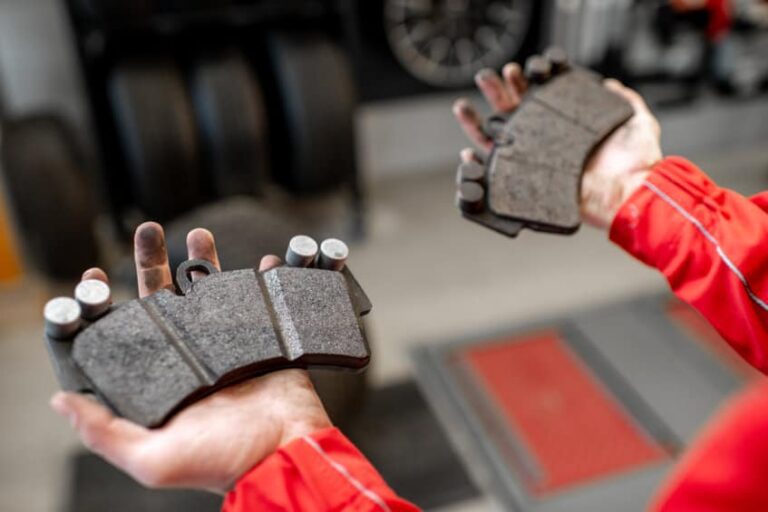
- Brake Components: Worn-out brake pads may emit a clicking noise due to metal-on-metal contact. Additionally, if you notice such sounds while braking, it could indicate the need for immediate examination of your brake system.
- Foreign Objects: Sometimes, errant stones or debris lodged in the brake pads or wheel wells can result in a clicking sound. Though seemingly innocuous, it’s essential to investigate further to prevent potential damage.
3. Location Matters
Where the sound originates can provide critical context. Sounds emanating from the front of the vehicle may differ from those in the rear. Similarly, noises from the left side could identify issues specific to the suspension or drivetrain. Listening carefully and identifying the source will guide you toward potential solutions.
4. The Importance of Timing
When does the clicking noise occur? Assessing whether it happens during acceleration, deceleration, or at a constant speed is crucial. If the clicking intensifies with speed, it is an urgent signal that should not be ignored. Identifying the timing and conditions under which the noise arises can crucially assist in diagnosis.
5. Professional Diagnosis: To Repair or Not to Repair?
While many drivers may feel inclined to troubleshoot their vehicles using online resources, some situations necessitate a professional touch. A trained mechanic possesses the expertise and diagnostic tools to accurately identify problems that may not be overtly evident. Ignoring persistent noises can lead to more significant issues and exorbitant repair costs down the line. Thus, it is prudent to seek professional help as soon as possible.
6. Preventative Measures
Preventing clicking sounds and the potential issues that accompany them can be fortuitous. Regular maintenance practices, such as periodic inspections of your vehicle’s undercarriage, brakes, and tires, can ward off problems before they develop into alarming noises. Additionally, adopting a proactive approach to addressing warning sounds can save time, resources, and enhance your driving experience.
7. Final Thoughts
Driving should be an enjoyable experience, but curious sounds like clicking can create disquieting sensations for any driver. By understanding the potential origins of these noises and their indications, you will be better equipped to face any challenges that may arise. Awareness and responsiveness can go a long way in maintaining your vehicle’s health, ensuring safety, and enhancing overall satisfaction on the road. So, the next time you hear that tell-tale clicking noise, inquire: is it just a fleeting curiosity, or does it signal an urgent call for action?










Leave a Comment