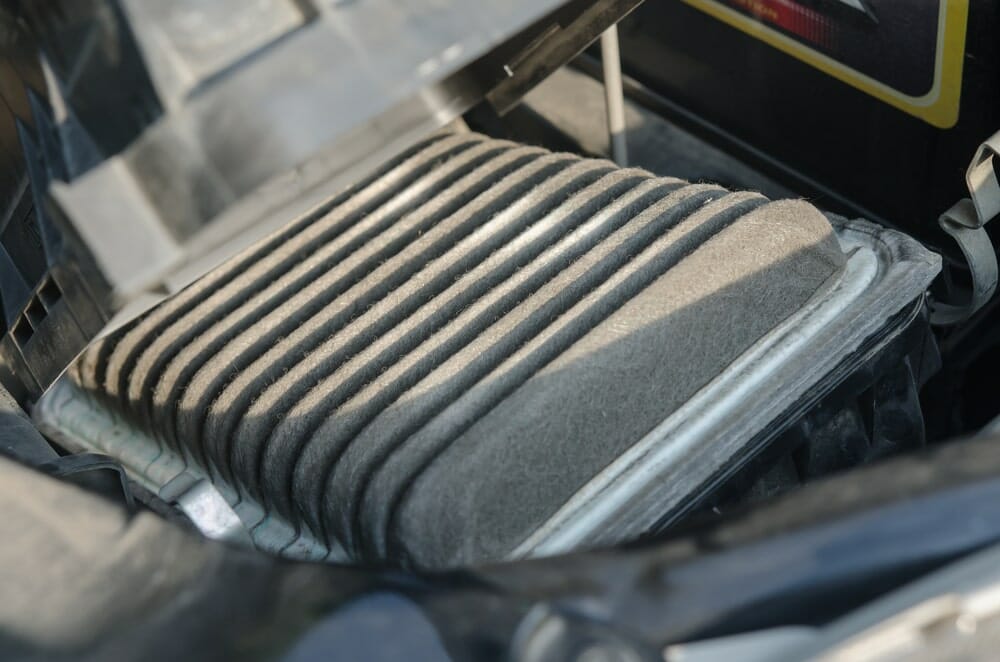
As you glide through your daily commute, a subtle yet crucial component ensures the air you inhale inside your vehicle is clean, fresh, and conducive to your wellbeing—the cabin air filter. This often-overlooked aspect of your car’s maintenance regimen can significantly enhance your driving experience and health. However, how often should you change it? This query, relatively simple on the surface, beckons a deeper exploration into the intricate relationship between cabin air filters and your vehicle’s overall performance.
Understanding the role of the cabin air filter is essential. Positioned within the HVAC (heating, ventilation, and air conditioning) system, this filter acts as a guardian, intercepting airborne particles such as dust, pollen, and exhaust gases. By doing so, it not only elevates the air quality within your car but also plays a pivotal role in the longevity of the vehicle’s interior components by reducing grime accumulation.
If you’ve ever noticed a musty odor wafting from the vents or a sinus irritation while driving with the windows closed, these could be telltale signs that your cabin air filter is due for replacement. But before embarking on this critical task, let’s unravel the myriad factors that influence how frequently you should change this filter.
The Manufacturer’s Recommendations
First and foremost, consult your vehicle’s owner’s manual. Manufacturers often provide a guideline specific to your make and model regarding when to replace the cabin air filter. This recommendation typically ranges from every 15,000 to 30,000 miles, but it can vary significantly based on environmental conditions.
Your Driving Environment
Consider your habitual driving environments. If you predominantly navigate through urban locales, where traffic congestion and pollutants are rampant, your cabin air filter may be more susceptible to clogging. Conversely, if your journeys frequently take you through rural or less polluted areas, the filter might not require as frequent a change. Tailoring your maintenance schedule to your environment can yield substantial enhancements in air quality.
Frequency of Use
How often you utilize your vehicle is another pivotal factor. A daily commuter likely exposes their cabin air filter to more particulates than a vehicle that’s reserved for weekend trips. If your car spends significant time idle or is used infrequently, the filter’s lifespan might extend as airborne irritants settle. Understanding your usage context helps you assess the health of your vehicle’s air filtration system accurately.
Seasonal Changes
Seasonality plays a fascinating role in the life of a cabin air filter. During spring, pollen counts can skyrocket, and if you live in an area prone to heavy seasonal pollen, consider changing your filter more frequently during these months. Similarly, winter brings its own challenges, such as dust and debris carried into your vehicle from roadside snow and ice treatments. Adapt your filter replacement schedule according to these fluctuations, transforming a routine maintenance task into a proactive measure for your well-being.
Signs of Degradation
Staying attuned to your vehicle’s signals can greatly inform your filter changing timeline. Look for indications such as diminished airflow from the vents, odd smells, or increased cabin noise—the telling signs that the cabin air filter is overburdened and requires immediate attention. Additionally, if you or your passengers experience heightened allergies or respiratory discomfort, it might be time to check the filter’s condition.
DIY Maintenance vs. Professional Assistance
For those inclined towards vehicle maintenance, changing the cabin air filter can be a straightforward endeavor. Many filters are easily accessible beneath the glove compartment or behind the dashboard, allowing for a swift replacement. However, do not hesitate to enlist professional assistance if you feel uncertain. Professionals not only ensure that the correct filter is selected but also provide insights into any potential underlying issues affecting your HVAC system.
The Cost-Benefit Analysis
While the cost of a cabin air filter change may seem nominal compared to more significant vehicle maintenance, neglecting it can yield repercussions far beyond financial. A clogged or dirty cabin air filter can strain your HVAC system, leading to costly repairs down the road. Thus, the small investment in routine replacements can enhance your vehicle’s efficiency, contributing to a healthier and more enjoyable driving experience.
As you contemplate the frequency of changing your cabin air filter, remember that no single answer applies to everyone. The intersection of your driving habits, environment, and seasonal changes creates a unique scenario for each driver. Embracing a more nuanced perspective on this sometimes-overlooked component not only promotes personal health but also supports the integrity of your vehicle.
In conclusion, maintaining your cabin air filter is not just a mundane chore, but an essential aspect of vehicle care that underpins the quality of your driving experience. By weaving awareness into your maintenance routine, you cultivate a healthier atmosphere inside your vehicle, paving the way for invigorating journeys ahead. Make the cabin air filter a priority; its impact on your ride may be more profound than you ever imagined.









Leave a Comment