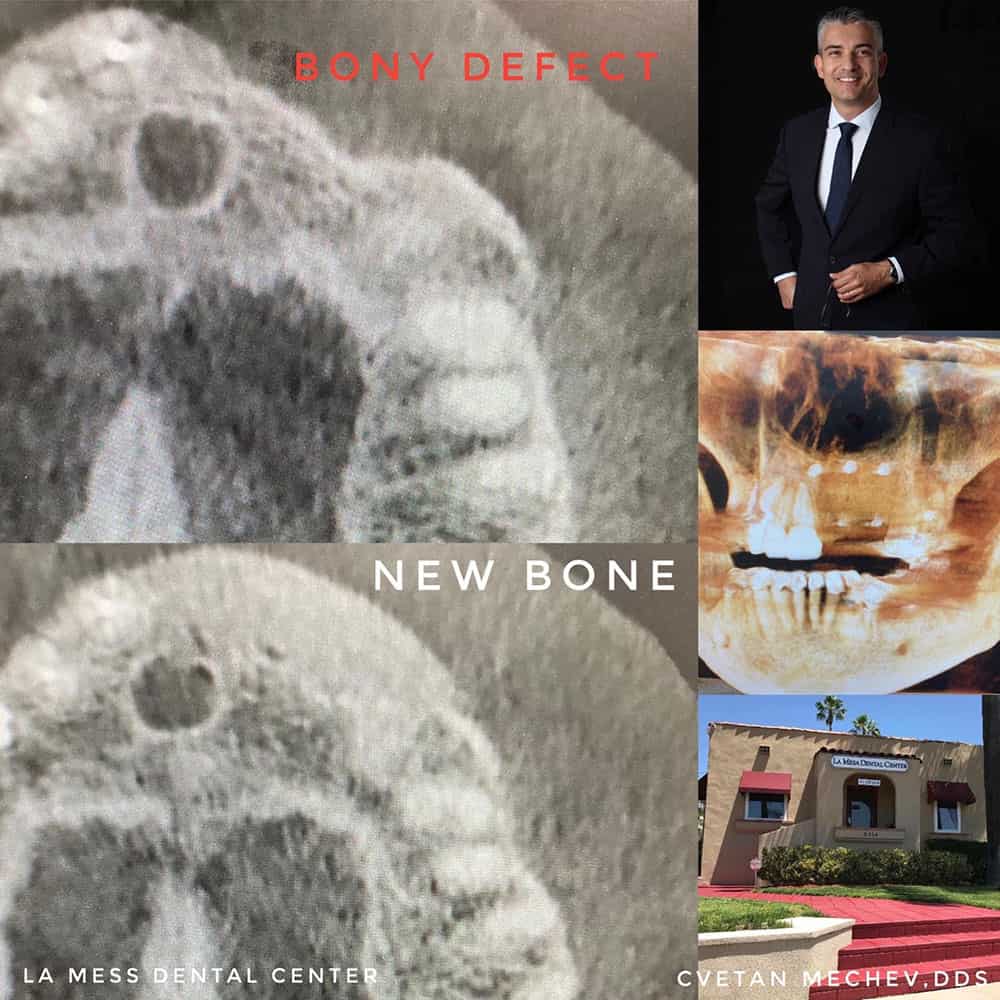
Bone loss in teeth is a daunting subject that affects many, yet it remains an under-discussed aspect of dental health. Have you ever wondered how the structure of your teeth can change over time due to various factors, and what the transition looks like? Understanding the dynamics of bone loss in teeth can empower individuals to prioritize dental care and take proactive steps to mitigate this potentially devastating issue. This article delves into what bone loss in teeth entails, examining the before-and-after states of this critical component of oral health, along with the multifaceted nature of its causes and consequences.
The Anatomy of Teeth and Bone Structure
To truly appreciate the implications of bone loss in teeth, it’s essential first to understand the anatomy of dental structures. Teeth are anchored to the jawbone through the periodontal ligament—a fibrous connective tissue that not only secures the teeth but also serves as a shock absorber during chewing. The surrounding alveolar bone is available to support the teeth and provides the necessary architecture for proper function.
Before Bone Loss: The Healthy State
When teeth and bone are healthy, the jawbone is dense and sturdy, holding teeth firmly in place. This state is characterized by:
- Robust Alveolar Bone: Dense bone mass provides the necessary support.
- Firm Gum Tissue: Healthy gums create a strong barrier, protecting teeth from infection.
- Stable Tooth Positioning: Teeth are well-aligned, maintaining proper occlusion and functionality.
During oral examinations, dental professionals often look for signs of vitality in the surrounding bone structure. A healthy foundation is paramount, not just for aesthetics, but also for effective tooth function.
Factors Leading to Bone Loss
Bone loss can often evolve insidiously, creeping in unnoticed until the ramifications become evident. Several factors contribute to this alarming condition:
- Periodontal Disease: Often initiated by plaque accumulation, this inflammatory disease can lead to gum recession and subsequent bone deterioration.
- Tooth Loss: When teeth are lost, the body begins to resorb the alveolar bone due to lack of stimulation, weakening the surrounding structures.
- Age: As individuals age, bone density naturally decreases, making older adults more susceptible to bone loss.
- Hormonal Changes: Conditions such as osteoporosis can lead to systemic bone loss, including the jawbone.
- Substandard Oral Hygiene: Neglecting oral care can drastically elevate the risk of periodontal disease and subsequent bone loss.
Recognizing the Signs of Bone Loss
Identifying early signs is critical in preventing systemic impact on dental health. Signs of bone loss may include:
- Gum Recession: Gums that pull away from the teeth may indicate underlying bone issues.
- Loose Teeth: Shifting or loosened teeth may imply that the supporting bone is eroding.
- Changes in Bite or Alignment: Shifts in the occlusion may reveal that bones and teeth are no longer in sync.
After Bone Loss: The Consequences
The ramifications of untreated bone loss can be far-reaching. Individuals may experience:
- Increased Tooth Mobility: Teeth may feel less secure, leading to discomfort and cosmetic concerns.
- Inability to Receive Dental Implants: Insufficient bone density often rules out implant surgery, limiting options for restoration.
- Facial Aesthetics Alterations: Loss of bone can lead to a sunken appearance, affecting overall facial aesthetics.
These consequences underscore the importance of early detection and intervention to preserve not only the teeth but overall oral landscape.
Preventive Measures and Treatments
So what can one do to combat bone loss? The proactive approach involves a combination of preventive measures and restorative treatments:
- Regular Dental Checkups: Routine professional examinations can identify issues before they escalate.
- Optimal Oral Hygiene: Consistent brushing and flossing will aid in minimizing plaque accumulation.
- Bone Grafting: For those already experiencing bone loss, a graft may help restore density, making implants a possibility.
- Wholesome Diet Rich in Calcium: Nutritional support will promote healthy bones. Include dairy products, leafy greens, and nuts.
- Quit Smoking: Smoking exacerbates periodontal disease and bone loss; cessation is paramount for oral health.
Conclusion
Understanding the trajectory of bone loss in teeth—before and after—sparks a critical conversation about dental health. The transition from a healthy, supportive bone structure to one that is compromised is not merely a dental issue but a multifaceted challenge that encompasses lifestyle choices and health management. By embracing preventive care and seeking timely interventions, individuals can maintain the vitality of their dental structures and promote long-term oral wellness. Are you brave enough to inquire about your bone health during your next dental visit? The answer could make all the difference.









Leave a Comment