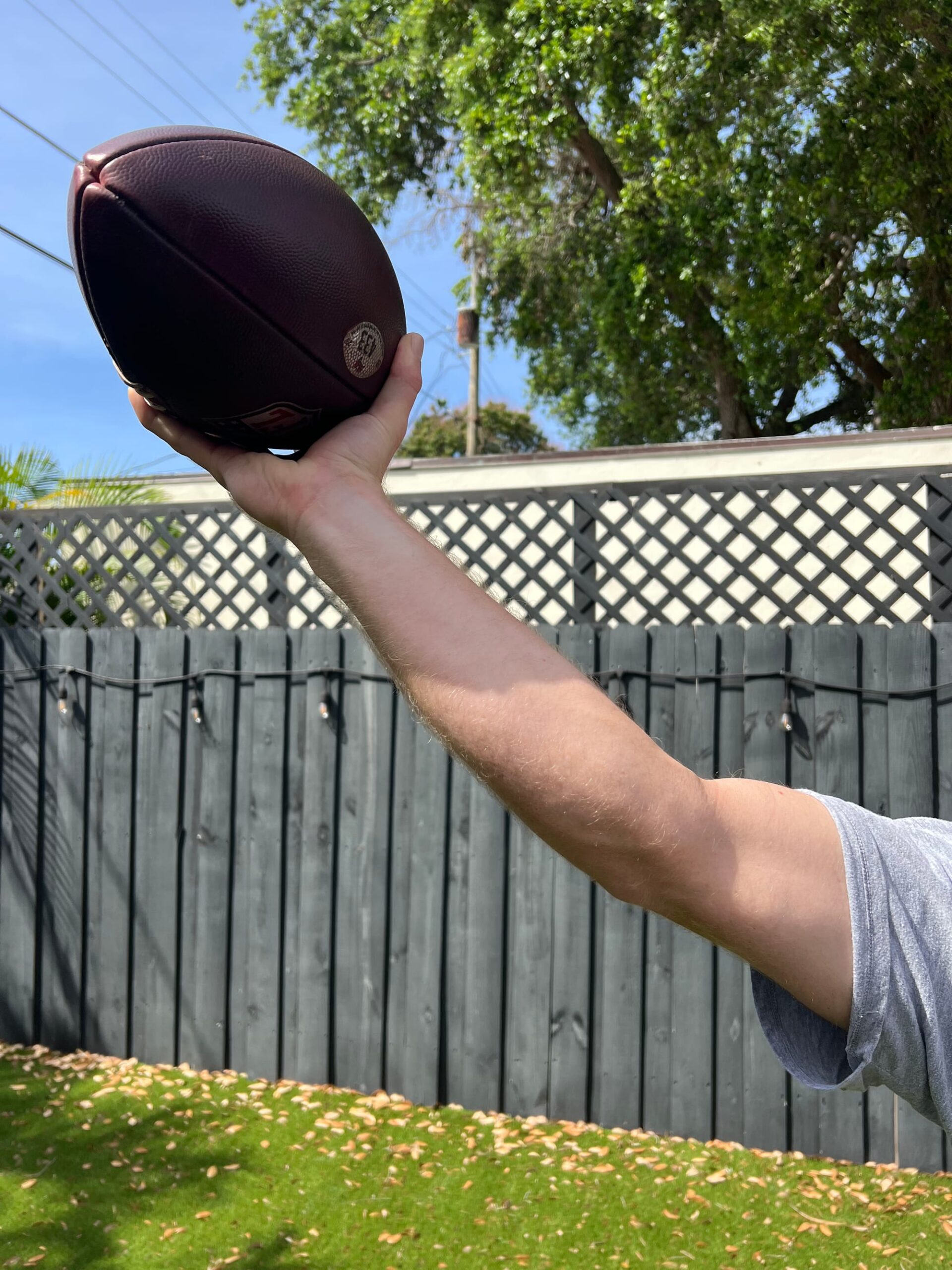
Gripping a football can seem like an instinctive act for many, but for some, it transforms into a confounding puzzle that teeters on the brink of frustration. An unexpected adversary emerges in the form of the thumb, a digit so essential yet sometimes elusive in its functionality. Whether you’re a budding athlete, an occasional player in the park, or have aspirations of greatness on the gridiron, understanding the intricacies of thumb-related challenges can yield transformational insights. This exploration delves into the multifaceted relationship between thumb dexterity and effective grip, unlocking strategies to conquer these barriers.
So why is gripping a football so problematic for some? It often stems from thumb-related challenges—ranging from anatomical peculiarities to injuries that hinder proper grasp. The thumb is uniquely designed, not just for holding but for precision movements that influence every throw and catch. Compromised thumb mobility can create friction points in performance, leading to potential drops or inaccurate passes that infuriate even the most seasoned players.
The Anatomy of the Thumb: A Brief Overview
The thumb can be described as a marvel of anatomical engineering, comprising several bones: the proximal phalanx, the distal phalanx, and the metacarpal. It operates like a lever, pivoting around the carpometacarpal joint, which allows for unparalleled range and flexibility. However, this remarkable freedom comes with its own set of challenges. An involuntary restriction in this mobility can manifest due to physical conditions such as arthritis, tendonitis, or even a prior fracture. In understanding these constraints, one may start to discern the root cause of their grip issues.
Common Thumb Issues Affecting Grip
In the realm of sports, some thumb-related conditions can particularly wreak havoc on one’s ability to properly handle a football:
- De Quervain’s Tenosynovitis: This condition causes pain and swelling in the tendons on the thumb side of the wrist. Simple grips become laborious and launching a spiraling pass may seem impossible.
- Trigger Finger: An affliction that results in the thumb locking in a bent position due to tendon inflammation. This limits the thumb’s ability to effectively press against the football’s surface.
- Osteoarthritis: Degeneration of the cartilage in the thumb joint leads to stiffness and pain. This becomes exacerbated during high-pressure scenarios, such as during a crucial game.
- Thumb Sprains: Common in contact sports, a sprained thumb can lead to significant difficulties gripping, as the pain and swelling take center stage.
Understanding Grip Techniques
If the thumb presents a formidable barrier, grasping the deeper elements of grip techniques is essential to overcoming this obstacle. The grip can be segmented into three primary styles: the standard grip, the modified grip, and the tapered grip. Each offers various advantages, yet requires an adept thumb to properly execute.
- Standard Grip: Utilizes all fingers equally but relies heavily on the thumb’s opposition. Individuals facing thumb constraints might find this method lacking.
- Modified Grip: Reduces reliance on the thumb, allowing the other fingers to take center stage, enabling more dexterity for athletes with thumb challenges.
- Tapered Grip: Ideal for those with minor thumb issues; it leverages the natural contours of the football to alleviate pressure.
Understanding the nuances of these grips can dramatically improve one’s handling capacity, offering a glimmer of hope for players hampered by thumb-related issues.
Adaptation Through Tools and Techniques
Adapting tools can mitigate grip difficulties and enable athletic performance. Consider these innovations:
- Football Grip Aids: Accessories designed to augment the surface area and aid friction can transform a cumbersome experience into a smooth one.
- Thumb Braces: Supporting the thumb while reducing motion can provide comfort and stability, which translates to improved grip.
- Textured Gloves: The extra grip offered by specially designed gloves can counter the limitations created by thumb issues.
Strategies for Strengthening Your Grip
Muscle strength and dexterity are crucial in forging a formidable grip. Consider incorporating exercises aimed at enhancing the thumb’s functionality:
- Thumb Curls: Strengthening exercises that involve bending and extending the thumb can promote range of motion.
- Rubber Band Extensions: Using rubber bands to facilitate resistance training strengthens the tendons across the thumb.
- Grip Trainers: These afford structured training sessions designed to improve overall grip strength across all fingers, including the thumb.
Fostering a consistent regimen targeting your thumb and hand can generate noticeable improvements over time.
Conclusion
The struggle to grip a football due to thumb challenges can often feel insurmountable, yet a paradigm shift in understanding—coupled with targeted strategies—can markedly transform your experience. By recognizing the intricate relationship between thumb function and grip efficacy, exploring innovative grip techniques, and embracing adaptation through tools and dedicated exercise, players can transcend limitations. Instead of perceiving the thumb merely as an obstacle, envision it as an integral component of a comprehensive approach to athleticism. With determination, adaptation, and insight, the grip one seeks may not be as far-fetched as it seems.








Leave a Comment