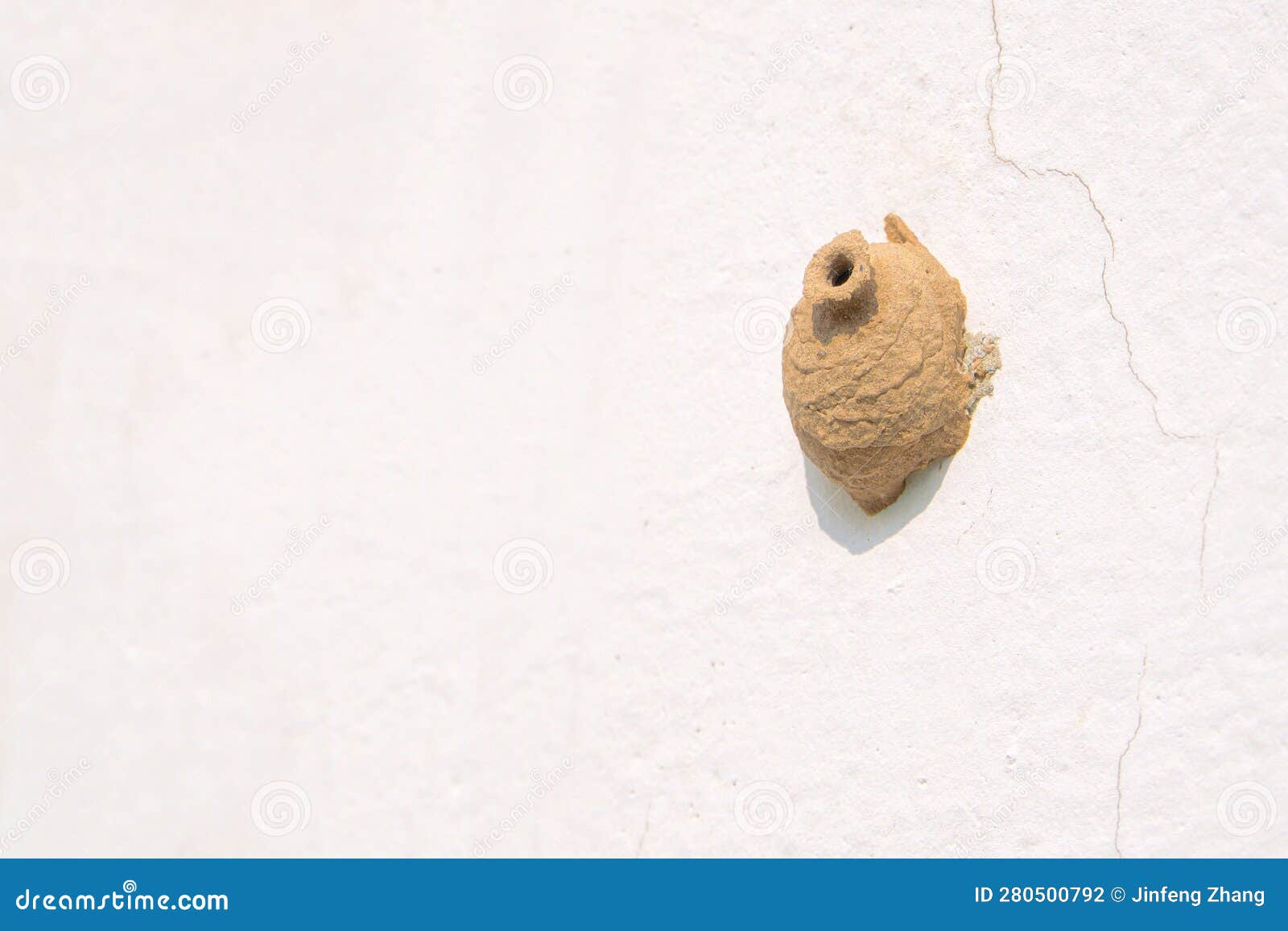
In the realm of pest control, few creatures evoke as much intrigue and trepidation as the mud dauber. These solitary wasps, clad in hues of bluish-black and adorned with slender bodies, possess a remarkable knack for creating nests that resemble earthly sculptures—crafted meticulously from a mixture of mud and saliva. While they may be architectural aficionados in their own right, their presence can evoke a sense of unease for homeowners. Thankfully, eliminating mud dauber nests can be approached with a blend of strategy and finesse. Here’s an extensive guide that will navigate you through the process of liberating your abode from these industrious artisans.
1. Understanding the Mud Dauber
Before embarking on the quest to dislodge these uninvited guests, it is paramount to understand their habits and behaviors. Mud daubers are not aggressive unless provoked and primarily feast on spiders, which they capture to feed their larvae. Their nests often grace the corners of eaves, sheds, and barns—places where the shadows entwine with the fading sunlight, creating the perfect canvas for their construction. Recognizing that these creatures are beneficial in the grand tapestry of nature can help alleviate any initial disdain you may feel.
2. Inventory Your Environment
Before swiping your proverbial broom at these nests, take an inventory of the nesting sites around your home. Check under eaves, in sheds, and within the recesses of your garden. Document the location and size of each nest, as this will guide your approach. These nests, like silent sentinels, may beckon more than mere removal; they may hint at an environment that could attract future inhabitants. Consider the positioning of garden statues, furniture, and other structures that may provide shadows, as these can often become prime nesting points.
3. Gather Your Resources
Equipped with knowledge, the next step is rallying your arsenal against the mud dauber. Essential supplies include protective gloves, goggles, a long pole, a spray bottle, and, if necessary, a vacuum with a long hose attachment. Consider also procuring insecticidal sprays explicitly designed to target wasps and hornets, which can provide an extra layer of efficacy during your operation. Assembling these tools prior to taking action is essential; after all, a master craftsman never ventures into their work without the appropriate instruments.
4. Timing is Everything
Much like an artist waits for the perfect light to capture their muse, timing your efforts to remove mud dauber nests is pivotal. The optimal time is during the evening or early morning when these wasps are least active. At dusk, as the sun dips below the horizon, the air cools, and the symphony of nature quiets down. Seize this moment of tranquility for your operation; it’s your window of opportunity to act with less risk.
5. Protective Measures
Before you commence the removal, safeguard yourself against potential stings. Drape your body in long sleeves and pants, and don gloves and goggles. Prepare your heart for the possible flurry of activity around the nest as you approach, reminiscent of a painter stepping closer to their canvas. Confidence in your protection will empower you, enabling you to proceed unhesitatingly.
6. Application of Insecticide
If you opt for an insecticidal approach, position yourself at a safe distance, ensuring the spray nozzle is directed at the nest. With swift, deliberate movements, apply the insecticide generously, following the instructions on the product’s label. This chemical sword can send the inhabitants into disarray, ensuring they do not return to retrieve their hard-won home. Remember, patience is key; allow the insecticide to work its magic for a few days.
7. Manual Removal
Once you’ve ensured the area is safe, manual removal may be your next task. Utilizing a long pole or a sturdy vacuum with an attachment will facilitate this process. With gentle yet assertive strokes, dislodge the nest from its perch. Be mindful, as even dormant nests can house larvae or hidden inhabitants. Dispose of the nest in a sealed plastic bag to prevent any remnants from drawing new inhabitants later.
8. Clean Up
Cleaning the area post-removal is a vital step often overlooked. Scrub the site where the nest was affixed using a mixture of soapy water to eliminate any residual scents that might invite new mud daubers. This act of cleansing is akin to erasing the brushstrokes of a painting; it leaves a blank canvas for your home, preventing reoccupancy.
9. Prevention Strategies
With victory at hand, consider strategies to deter future mud daubers. Install screens or seal openings that could provide entry points for these architects of mud. Regularly inspect and clean potential nesting sites, ensuring that the earth remains unyielding to their building endeavors. The battle may have been won, but the war against re-infestation requires vigilance.
Conclusion
In the ongoing dialogue between nature and humankind, learning how to get rid of mud dauber nests allows us to maintain harmony while reclaiming our spaces. With understanding, preparation, and determination, you can transform the unsettling presence of these wasps into a mere whisper of memory. Every home deserves a sanctuary free from unwelcome architects—an unblemished canvas ready for the artistry of life to flourish.










Leave a Comment