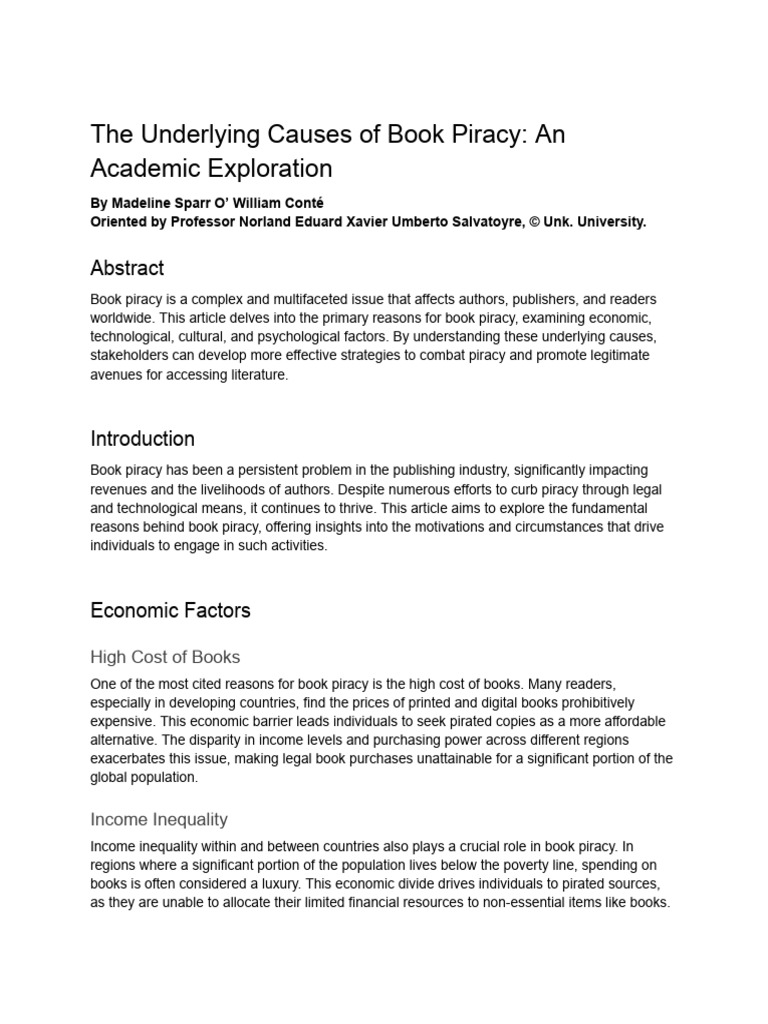
In an age characterized by swift technological advancement and the proliferation of digital media, the question of ebook piracy looms large. The allure of pirated ebooks—the unauthorized copying, distribution, and accessibility of electronic texts—reflects a multifaceted interplay of economics, culture, and a penchant for rebellion. Are we witnessing merely a trend, or is ebook piracy indicative of deeper societal shifts? Delving into this phenomenon reveals a conundrum that extends beyond the act of unauthorized downloads.
Understanding Ebook Piracy: The Basics
Ebook piracy encapsulates various illicit activities, ranging from file sharing to the unauthorized distribution of copyrighted material. The convenience of the internet has facilitated a widespread culture of illicit consumption, reshaping how people engage with literature. Websites and platforms devoted to distributing pirated ebooks are frequently at the forefront, tempting voracious readers with a staggering library of titles available at no cost. This seamless access to otherwise premium content presents an enticing option for many.
Motivations Behind Ebook Piracy
Dissecting the motivations fueling the prevalence of ebook piracy unveils a tapestry of compelling reasons:
- Accessibility and Affordability: While ebooks can be far more affordable than their printed counterparts, they still represent a cost that some readers cannot meet. For students, aspiring writers, or avid readers on a tight budget, the lure of free literature is irresistibly pragmatic.
- Global Disparities: In regions with less access to traditional bookstores or prohibitive pricing structures imposed by publishers, pirated ebooks serve as a lifeline. This geographical inequity enhances the allure of free digital copies, fostering a sense of fairness among readers who might otherwise be deprived of literary experiences.
- Curiosity and Rebellion: The act of downloading pirated material can evoke a sense of defiance against corporate interests and the perceived greed of the publishing industry. Readers may be drawn to the idea of pushing back against perceived injustices, creating an underground literary culture amidst the chaos.
The Evolving Landscape of Publishing
The symbiotic relationship between ebook piracy and traditional publishing has evolved, and much discussion surrounds this dynamic. Publishers grapple with the dichotomy of protecting their intellectual property versus engaging with the burgeoning community of online readers. This struggle has led to the emergence of innovative models, including subscription services that, paradoxically, stemmed from the recognition of widespread piracy.
Moreover, the burgeoning landscape of self-publishing has also added another dimension to this discourse. Authors seeking to circumvent traditional gatekeepers often turn to these new platforms to disseminate their work. By doing so, many writers find themselves navigating the treacherous waters of piracy, as their creations can be snatched and shared before they even attain recognition. This merely compounds the difficulties faced by those trying to monetize their intellectual endeavors.
Cultural Attitudes Towards Piracy
An undeniable aspect of the discussion surrounding ebook piracy is the shifting cultural attitudes that accompany it. Younger generations, who have grown up in a digital milieu, often perceive sharing and downloading as normative rather than illicit behavior. This cultural lens diminishes the stigma that once surrounded the act of piracy, framing it instead as an opportunity for broader access to knowledge and culture.
In literary circles, the debate is nuanced. While some argue that piracy erodes the value of literature and undermines artists’ livelihoods, others contend that it cultivates a new readership, often converting casual observers into more committed consumers of the written word. The intricacies of this debate illuminate the ambivalence that colors the act of piracy—a sense of guilt intertwined with the thrill of access.
Consequences of Piracy
As we navigate the multifarious implications of ebook piracy, it’s paramount to examine the repercussions that extend beyond the immediate access to free literature. Beneath the allure of free downloads lies a labyrinth of challenges for authors, publishers, and even readers themselves:
- Financial Ramifications: For established authors and new voices alike, the economic effects of piracy can be detrimental. Loss of revenue due to unauthorized distributions poses a direct threat to their careers, leading to a grim outlook for those passionate about their craft.
- Quality Control: Pirated copies often lack the editorial oversight and quality assurance that legitimate publications uphold. Readers may find themselves grappling with subpar versions that dilute the author’s original intent and tarnish the reading experience.
- Legal and Ethical Dilemmas: The complexities of copyright laws and intellectual property rights create a labyrinth of legal conundrums. Readers who engage in piracy may unwittingly entangle themselves in a web of legal risks, exposing themselves to potential ramifications.
Future Prospects
While piracy is a potent force within the digital landscape, it heralds a transformative moment for the publishing industry. As discussions about fair compensation and equitable access to literature gain traction, publishers may devise models that embrace the duality of accessibility and profitability. Technology could be the linchpin in resolving these antagonistic forces, ushering in a new era for both writers and readers.
In conclusion, the prevalence of ebook piracy is anything but straightforward. It challenges our notions of ownership, access, and the value of literature. At its core, this phenomenon is indicative of deeper societal proclivities, encouraging us to engage in thoughtful discourse about what it means to share knowledge in our contemporary world. As the literary fabric continues to evolve, the interplay between piracy and legitimate consumption will shape the destinies of countless authors, publishers, and readers alike.






Leave a Comment