When embarking on a home renovation journey or a new construction project, the significance of meticulously planning your door openings cannot be overstated. A 36-inch door—often regarded as a standard for accessibility and convenience—demands a specific rough opening that facilitates its seamless installation and optimal functionality. This article delves into the critical considerations associated with creating an effective rough opening for a 36-inch door, unraveling the nuances often overlooked by both novice and seasoned builders alike.
Understanding the Basics: What is a Rough Opening?
A rough opening refers to the framed space in a wall where a door will eventually be installed. It is not just a simple hole; rather, it is an essential structural element that requires precision. The rough opening provides not only a space for the door itself but also accommodates the door frame, any necessary hardware, and the allowance for any shimming required during installation.
Standard Dimensions for a 36-Inch Door
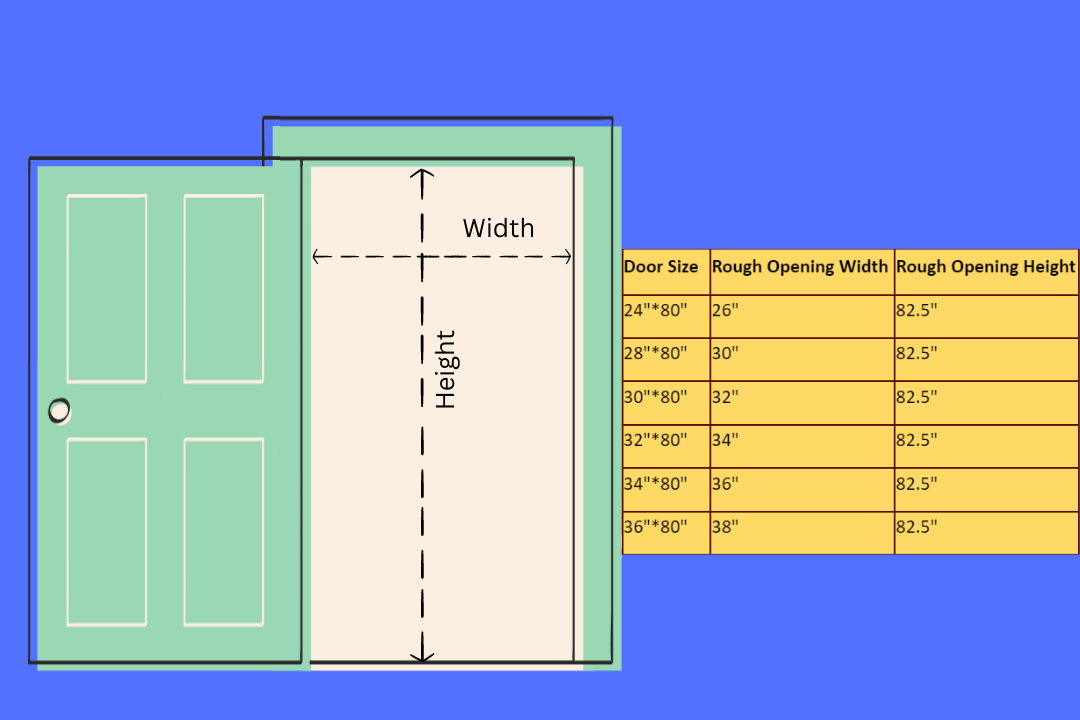
The recognized size of a 36-inch door translates to approximately 3 feet wide, or 36 inches in nominal width. However, the rough opening must exceed these dimensions to account for a variety of factors. Typically, the recommended rough opening dimensions are 38 inches wide by 82.5 inches tall for a standard 36-inch door. This additional space—about an inch and a quarter on each side—is crucial for proper alignment and functionality.
Height Considerations
Height also plays a pivotal role in successful installation. While the nominal height of a standard door is 80 inches, the rough opening should allow for some headroom. A typical dimension of 82.5 inches ensures that the door has a slight overhang, which is not only aesthetically pleasing but also functional. This margin accounts for the installation of any threshold and allows for adjustments in the event of settling over time.
Factors Influencing Rough Opening Size
Several elements may necessitate deviations from the standard measurements. Variations in flooring height, the presence of a finished threshold, and the specific door hardware can all influence the final dimensions of the rough opening. For instance, if the flooring height differs from what is typical, adjustments may be required to ensure a flush transition from floor to door frame.
Framing the Rough Opening
The construction of the rough opening itself requires thoughtful consideration. Proper framing involves appropriate lumber sizes—usually a minimum of 2x4s. The studs should be spaced either 16 or 24 inches apart, depending on your building code and structural requirements. Additionally, installing a double header above the door frame is advisable for added structural integrity, especially in load-bearing walls.
Preparing the Surrounding Structure
Before commencing the actual framing, the surrounding structure must be adequately prepared. This preparation includes verifying that the wall is plumb and level. Inaccuracies at this stage can lead to considerable complications down the line, including door misalignment or operational difficulties. Using shims during the installation process provides the necessary adjustments to achieve this alignment.
Insulation and Weatherproofing
Insulating the rough opening is another critical consideration, particularly in regions experiencing extreme weather conditions. This involves installing appropriate weather stripping and ensuring that the edges of the rough opening are sealed against moisture infiltration. A well-insulated rough opening not only aids in energy efficiency but also enhances the longevity of the door and frame.
Choosing the Right Door
Selecting the perfect door for your rough opening involves more than aesthetics; it constitutes a critical decision affecting both utility and overall design. Solid doors, for example, provide greater durability and insulation but might necessitate additional structural support due to their weight. Conversely, hollow-core doors offer lightweight convenience but may lack in other performance areas.
Final Adjustments and Installation
Once the rough opening is constructed and the door chosen, the installation process begins. Ensure that the door fits snugly within the rough opening. Adjustments can be made through the use of shims, and it is essential to check the swing of the door to guarantee it operates smoothly. Use a level to confirm that the door is plumb. Finally, secure the door frame in place, ensuring it is both functional and aesthetically pleasing.
Common Mistakes to Avoid
In the realm of door installation, several common pitfalls may arise during the rough opening phase. Underestimating the necessary dimensions, for instance, can lead to a myriad of complications, including improper door functionality and increased wear over time. Additionally, neglecting the importance of shimming during installations may result in a door that is misaligned, leading to operational issues.
Conclusion: The Importance of Precision
The meticulous execution of a rough opening for a 36-inch door serves as the foundation upon which a successful installation is built. From understanding the necessity of appropriate dimensions to considering insulation and structural integrity, each aspect plays a crucial role in ensuring that the door not only fits perfectly but also operates efficiently. As such, proper preparation and diligence in this phase of construction can safeguard against future inconveniences and enhance the overall aesthetic of your space. Investing time and effort into creating an exceptional rough opening will yield dividends in functionality and design harmony for years to come.









Leave a Comment