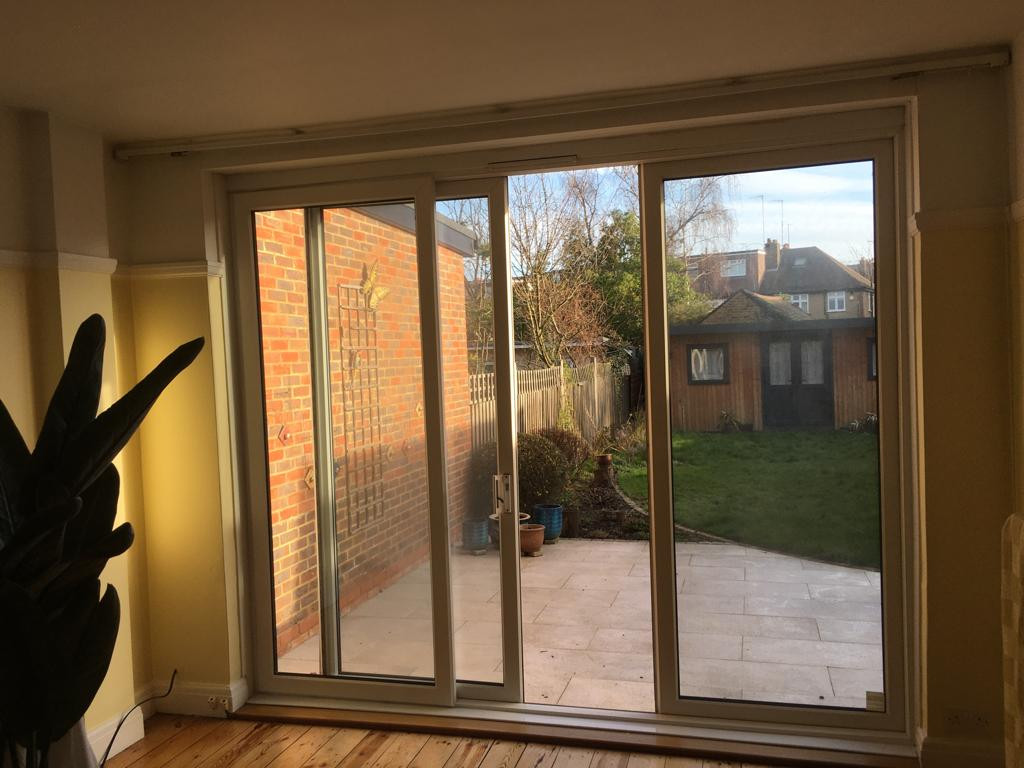
Sliding doors are ubiquitous in contemporary architecture, seamlessly blending functionality with aesthetics. These doors, typically regarded as elegant and space-efficient, facilitate smooth transitions between indoor and outdoor environments. However, a question often arises: can sliding doors be pushed open? While this may seem like a straightforward inquiry, a deeper exploration reveals layers of complexity, sparking curiosity and providing a distinctive perspective on the mechanics and design of these versatile entrances.
Understanding the Mechanics of Sliding Doors
To discern whether sliding doors can be pushed open, one must first understand their operational mechanics. Sliding doors operate on tracks, allowing them to glide horizontally. The design is meticulously crafted to ensure a seamless experience; one typically pulls the door, activating its wheeled mechanism along a designated path. This fundamental understanding serves as the bedrock for unraveling the potential for exerting force in the opposite direction.
Many sliding doors are equipped with rollers that navigate within the confines of a track. While pushing a sliding door is technically possible, it often defies the intended function. The design is predicated on a system that favors lateral movement rather than pressure from the exterior. Furthermore, an inquiry into the materials used, such as glass or wood, reveals another layer of intricacy. Each material brings its own attributes to the table, impacting durability and the feasibility of various interactions.
Types of Sliding Doors
Additionally, it is imperative to consider the categorization of sliding doors, each of which interacts differently with lateral force. There are various types of sliding doors, including pocket doors, bi-fold doors, and traditional sliding patio doors. Pocket doors slide into a wall cavity, rendering them nearly invisible when opened. Bi-fold doors, on the other hand, consist of multiple panels that fold back upon themselves, maximizing entry space for a more expansive feel. Each configuration influences how one might engage with the door, highlighting the importance of design in functional interaction.
Potential Risks of Pushing Open Sliding Doors
While inquiring about the potential to push a sliding door open is intriguing, it is crucial to acknowledge the risks involved. Exerting force in a direction contrary to the designed movement can lead to unnecessary stress on the door’s framework and rollers. This can result in misalignment, damaging both the door and the mechanism that allows it to function smoothly. In extreme instances, pushing too forcefully may dislodge the door from its track, leading to costly repairs and potential safety hazards.
Moreover, the risk extends beyond mere hardware failure. For individuals in spaces with heavy foot traffic, improper door usage can lead to injuries. A sliding door that suddenly opens or closes due to miscalculation can inflict harm, especially if the structure has discernible weight or sharp edges. Consequently, it becomes evident that understanding the correct interaction with a sliding door is paramount for safety and longevity.
Alternative Approaches to Engaging with Sliding Doors
Given the risks associated with pushing open a sliding door, it is paramount to explore alternative methods of engagement. The standard operation—pulling to open—is not only the most straightforward but also the safest. Educating oneself on proper usage can prevent many issues that arise from improper handling.
Moreover, some sliding door systems incorporate advanced technology, such as automatic sensors or remote controls. These innovations not only enhance convenience but also mitigate the risk of improper human interaction. Homeowners contemplating installation should consider these features, especially for high-traffic areas. Embracing these technological advancements promises not only ease of access but can redefine how one perceives sliding doors in a contemporary context.
Pushing vs. Pulling: A Psychological Perspective
Delving deeper into this topic also unveils a fascinating psychological realm. The act of pushing versus pulling can evoke different perceptions of space and barriers. Pushing a door often connotes resistance, a confrontation with an obstacle. Conversely, pulling signifies an invitation to enter, a welcoming gesture towards openness. This nuanced understanding of interaction with space can reshape how we design and interact with our environments, facilitating a shift in perspective.
Furthermore, the idea of sliding doors stretches metaphorically beyond their physical construct. They can represent choices and opportunities—an invitation to step into new experiences or the temptation to push against the status quo. In this light, the query of whether one can push a sliding door becomes emblematic of broader life choices, encouraging individuals to consider their motivations and decisions consciously.
Conclusion: The Sliding Door as a Metaphor
In conclusion, the question of whether sliding doors can be pushed open is more than a simple inquiry regarding a functional mechanism. It opens the door to discussions about design, safety, psychology, and its metaphorical implications. While pushing such a door might offer a momentary thrill, it is essential to recognize the broader implications of design utility and personal interaction. Embracing the beauty of sliding doors—both in their practical function and deeper symbolic meaning—invites a profound appreciation for the intersections of architecture and human experience, ultimately enhancing our journeys through life, one door at a time.









Leave a Comment