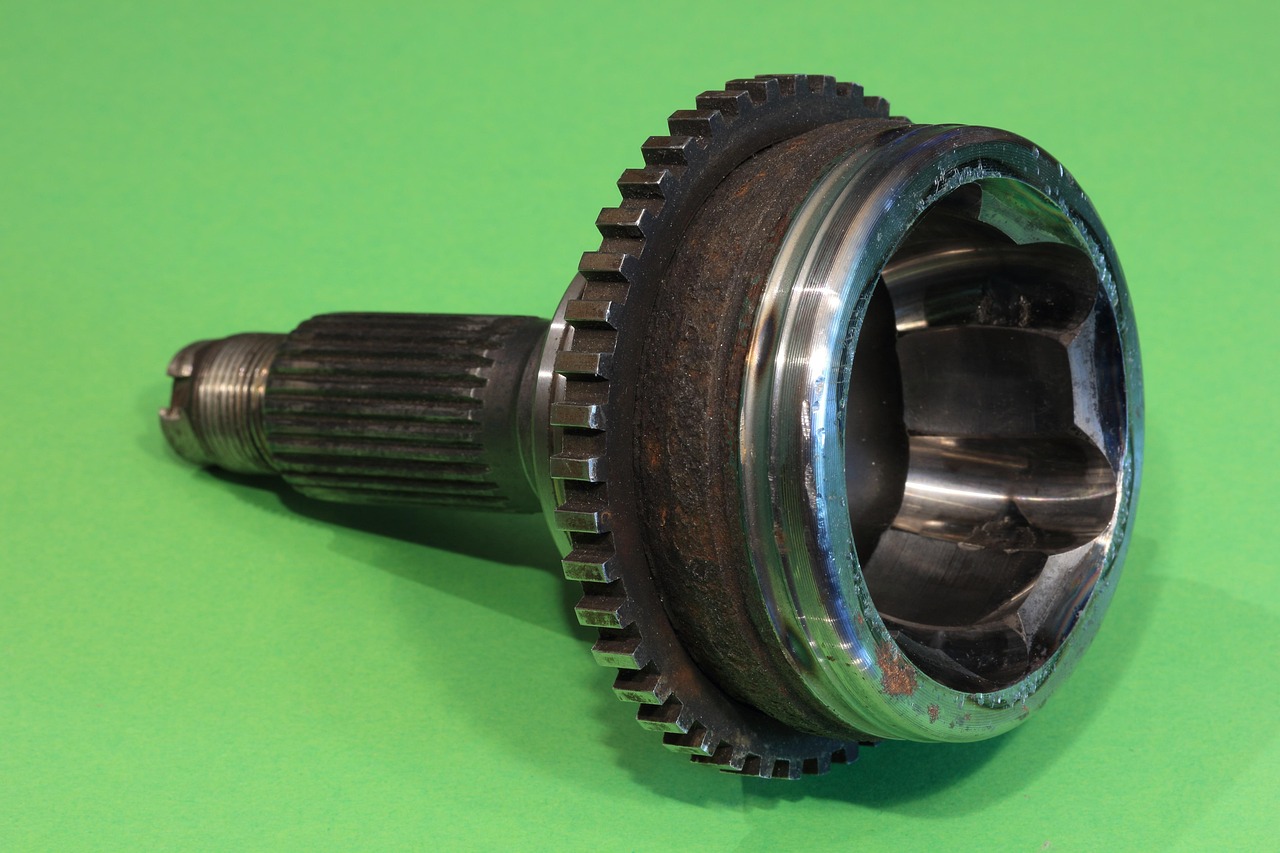
When it comes to automotive engineering, the complexity of various elements working in tandem is crucial. Among these components, the constant velocity joint (CV joint) stands out for its essential role in facilitating smooth motion between the transmission and the wheels. This intricate piece of machinery is often overlooked until symptoms arise, prompting a critical analysis of its condition and functionality. Understanding the symptoms related to constant velocity joints can not only save you from a potentially costly repair but also offer insights into the intricacies of vehicle mechanics.
1. An Unfamiliar Click or Clunk
A disquieting sound may serve as the initial harbinger of malfunctioning CV joints. When navigating sharp turns or accelerating, an unusual clicking or clunking noise could emerge, signaling that the internal components are beginning to wear out. The intricacies of the joint necessitate precise alignment; thus, when that alignment falters, the resultant sound often serves as the first clue of impending complications.
2. Vibration During Acceleration
If you experience vibrations that seem to materialize during acceleration, it may indicate that the CV joint is on its last legs. The unexpected oscillations can lead to an uneven transmission of power from the engine to the wheels. This symptom not only compromises driving comfort but also raises a red flag that should not be ignored. Consider the implications: what begins as an annoying vibration can escalate into a significant mechanical breakdown.
3. Grease Leakage
Visual cues often accompany auditory and tactile symptoms. A telltale sign of CV joint deterioration is the presence of grease leakage. The CV joint is encased in a protective boot, which, when compromised, allows the grease to escape. A responsible vehicle owner will routinely inspect these boots for cracks, tears, or ruptures. Grease leakage is not simply a cosmetic concern; it signifies that the joint is susceptible to contaminants, which could precipitate accelerated wear and tear.
4. Difficulty Steering
As the CV joint starts to show signs of wear, deterioration may manifest as difficulty in steering. This change in performance often goes hand in hand with a ‘stiffer’ feeling within the steering mechanism, compromising the inherent fluidity expected while maneuvering your vehicle. Lack of responsiveness can lead to further complications — a potential reduction in safety that makes it imperative to assess the joint’s condition promptly.
5. Uneven Tire Wear
The interconnectivity of vehicle components is a fundamental concept in automotive design. If the CV joint is not functioning correctly, it can contribute to misalignment, which manifests as uneven tire wear. Keep an eagle eye on your tires; the appearance of bald spots or irregularities indicates that there could be more than just superficial issues at play. Uneven tire wear demands urgent attention, not only to prolong tire life but also to maintain overall vehicular integrity.
6. Knocking Noises Over Bumps
Hitting a bump in the road shouldn’t result in disturbing noises emanating from the undercarriage. If a knocking sound is prevalent during such encounters, it could very well point to a CV joint that has succumbed to excessive wear. The joint’s ability to properly absorb impacts diminishes, leading to unsettling sounds that undermine the driving experience. Make note of these auditory clues; they are whispers of the mechanical fatigue that beckons for evaluation.
7. Reduced Performance in the Rain
Driving conditions can exacerbate existing issues, particularly when inclement weather becomes a factor. If your vehicle experiences reduced traction or stability during wet conditions, the culprit may lie within the CV joint. The wear and subsequent degradation of this component can lead to diminished performance, compromising the vehicle’s ability to maintain control. Understanding this correlation elevates the importance of routine checks on all vehicular components, especially in climates prone to heavy rain.
8. Generalized Poor Handling
A fundamental aspect of owning a vehicle is the anticipation of how it handles under various conditions. If you find that the vehicular handling has become compromised, yielding a sense of unpredictability or discomfort, this could indicate a wearied CV joint. Delivering subpar control, the deterioration can transform daily driving into a task fraught with anxiety, underscoring the need for a deeper mechanical examination.
Conclusion
Recognizing the symptoms related to constant velocity joints is pivotal for any conscientious vehicle owner. The interplay of sound, feeling, and visual cues can serve as invaluable indicators of underlying issues that, if left unaddressed, may culminate in extensive and costly repairs. Knowledge of these signs not only empowers you to act decisively but also enhances your understanding of the intricate mechanisms that propel you forward. As you navigate the open road, keep an attentive ear and a watchful eye; your vehicle’s longevity may depend on it. By adopting a proactive approach to maintenance, perhaps you can sidestep the pitfalls of neglect and discover a renewed appreciation for the artistry of automotive engineering.











Leave a Comment