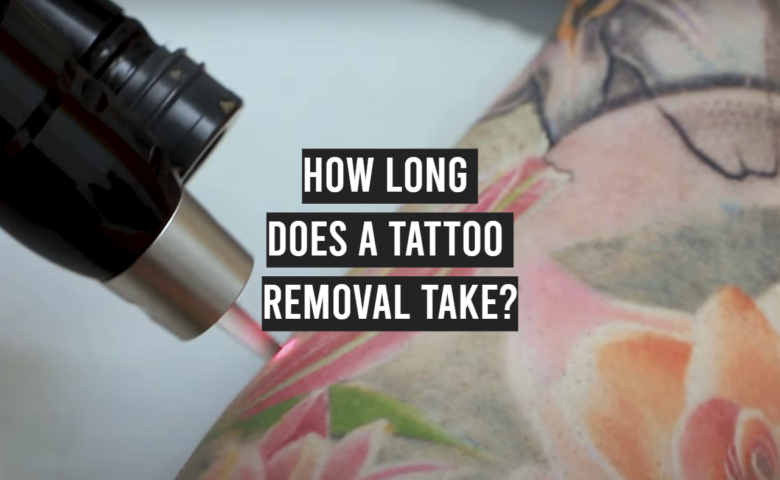
For myriad individuals, tattoos serve as a permanent vestige of pivotal moments, passions, or relationships. Yet, as emotions ebb and flow, the resonant ink may become a source of dissonance—prompting the quest for tattoo removal. The question that naturally arises is: “How long does tattoo removal take?” The answer to this inquiry extends far beyond mere hours or days; it is entwined with a tapestry of factors, each intricately woven into the narrative of skin and memory.
Understanding the timeline for tattoo removal necessitates an exploration of the myriad factors influencing the process. The clinic, the technique, the tattoo itself, and the individual’s unique physiology all play a role. In this guide, we dive into these intricate details to provide a comprehensive overview of what one might expect in terms of time commitment for tattoo removal.
1. The Technique Used for Removal
Fundamentally, tattoo removal can be achieved through various techniques, each with distinct implications for duration. Common removals include:
- Laser Removal: This is the gold standard. Utilizing high-intensity light beams, lasers break down the ink particles, which are subsequently absorbed by the body. Sessions can range between 15 minutes to an hour, with full removal potentially requiring several sessions—often spaced six to eight weeks apart.
- Surgical Excision: This method elevates urgency; the tattooed skin is physically cut away. While the operation itself may only take an hour, recovery can extend over weeks or even months, depending on the size and position of the tattoo.
- Dermabrasion: In this process, the skin’s surface is mechanically exfoliated. Time invested for each session varies, but postoperative healing typically spans several weeks, influencing the overall timeline for tattoo removal.
The technique chosen significantly determines not just the duration of the procedure but the overall timeline from inception to conclusion.
2. Size and Complexity of the Tattoo
The physical dimensions and intricacy of the tattoo are paramount in dictating how long the removal will take. A small, simple design may require as few as two or three sessions, whereas an expansive, multi-colored tattoo may necessitate upwards of ten or more. Each session will typically span weeks, leading to a much lengthier timeline for more complex tattoos.
Furthermore, the depth of ink application plays a crucial role in how readily the tattoo responds to removal techniques. Tattoos that were applied with greater depth may yield a more stubborn resistance, prompting additional sessions and time.
3. Individual Skin Type and Healing Response
Each person’s skin is a unique canvas, influencing the tattoo removal timeline. Factors such as skin type, age, and overall health intertwine to create variability in healing responses. For instance, younger individuals tend to exhibit more rapid healing compared to older adults. Additionally, skin types with more melanin may face challenges; darker skin can absorb laser energy differently, impacting removal efficacy and healing time.
The body’s natural healing capabilities are pivotal. After a session, the skin takes time to recuperate. This healing process must be considered, as it directly influences how frequently sessions can be conducted. The industry norm typically suggests intervals of 6 to 8 weeks between sessions, allowing the skin ample time for recovery.
4. Commitment to Multiple Sessions
Patience is paramount. Tattoo removal is not a single visit endeavor; it often requires a series of sessions, as referenced above. Understanding this commitment is crucial for emotional preparedness, as expectations can be misaligned. Having an open dialogue with a trained professional can elucidate what is reasonable considering the individual’s specific circumstances.
Moreover, continual tracking of progress can be an emotionally laden journey. Individuals will find their anticipation grows as noticeable changes emerge, along with that familiar sense of nostalgia or regret.
5. Practitioner Expertise and Technology
The proficiency of the practitioner plays a significant role in not just the removal effectiveness but also the timeline. Seasoned professionals employ advanced technologies that can expedite removal processes or optimize potential outcomes. Engaging with well-established clinics employing cutting-edge technology may yield quicker results and fewer sessions.
This expertise can counterbalance potential setbacks due to skin reactions or the nature of the tattoo itself.
Conclusion: A Transformative Journey
In summary, it’s crucial to remember that the journey of tattoo removal is a multifaceted narrative, intricately intertwined with individual characteristics and chosen methodologies. While the fervent desire to eradicate a tattoo might ignite impatience, understanding the extensive timeline—from initial consultation to the final fading of ink—profoundly shifts the perspective on the process. Each session is not just a marker of time but also a step toward personal redemption, self-acceptance, and the embrace of evolved identities.
The removal of ink, once considered indelible, becomes a reflection of personal growth and change, offering a profound opportunity to rewrite one’s story on the canvas of life. Are you ready to redefine your narrative?








Leave a Comment