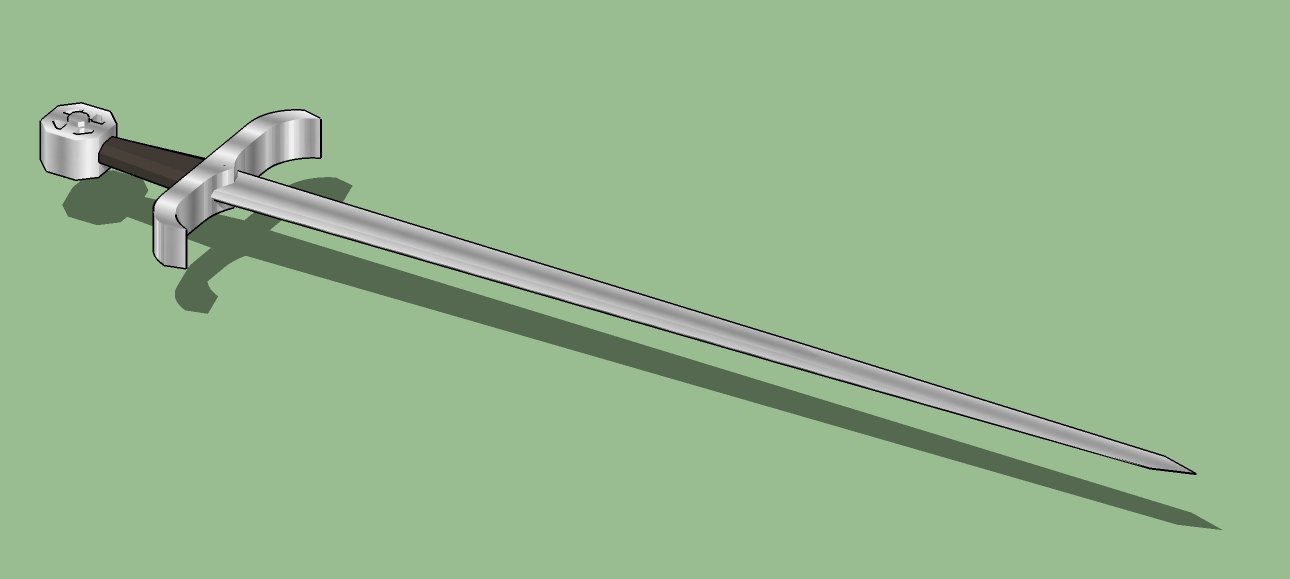
Picture this: you’re in the heart of a dense, enchanted forest, surrounded by towering trees and the soft rustle of leaves, when suddenly you encounter a knight brandishing a beautifully crafted one-handed sword. Instantly, your imagination sparks. What is the name of that sword? The significance of a sword’s name can carry a great weight, often symbolizing its history, purpose, and the ethos of the wielder. In this exploration of one-handed sword names, we’ll delve into various facets of these remarkable weapons, unveiling a treasure trove of possibilities.
1. Understanding the Anatomy of a One-Handed Sword
Before embarking on the adventure of naming one-handed swords, it is essential to appreciate their intricate design. One-handed swords are typically characterized by their relatively shorter blades, allowing for swift movements and precise strikes. The hilt is often streamlined, featuring a single grip designed for agile handling. This anatomical understanding lays the groundwork for crafting names that reflect both function and history.
2. Historical Influences on One-Handed Sword Naming
The realm of one-handed swords is rich with history and cultural significance. From the medieval broadswords of Europe to the elegant sabers of the Middle East, the context in which a sword is used can inspire many names. Consider how the knights of the round table wielded their blades in noble battles, or how samurai artfully danced with their katanas in the face of honor. One could draw on such historical references to create names that evoke those storied times.
3. The Role of Mythology and Fantasy
What if the sword in question possesses powers beyond mere steel? Mythological and fantasy narratives often imbue swords with attributes that transcend their physical forms. Drawing from legends, such as Excalibur or the mythical swords of Greek gods, one can create names that resonate with grandeur. Ponder what makes a sword legendary: is it a story of triumph, a tale of sorrow, or perhaps an unbreakable bond between its possessor and the realms they traverse?
4. Symbolism and Meaning
The language on a sword’s hilt often carries profound meaning. Names can be derived from various languages or concepts, symbolizing traits like honor, bravery, or vengeance. For instance, consider using Latin, Norse, or even fantastical languages to conjure names like “Fortitudo” (meaning strength) or “Vengean” (indicating vengeance). These terms encapsulate the sword’s essence, weaving a narrative that resonates with the wielder’s intentions.
5. The Emotional Connection
Every sword has a story to tell, often tied to the emotions of its wielder. Naming a one-handed sword can reflect the bond between the knight and their weapon. For example, ‘Guardian’s Embrace’ conveys a sense of protection, while ‘Whispering Fury’ reveals a more chaotic relationship. The emotional undercurrents can turn a mundane name into a profound statement, heightening the sword’s significance and creating a connection that transcends time.
6. The Influence of Geography and Culture
Geographical factors significantly influence how swords are designed and perceived. Different cultures historically made specialized one-handed swords that reflected their environments and societal needs. Name themes can incorporate elements from various cultures, blending them into a unique narrative. Imagine a sword inspired by the Japanese katana’s grace, christened ‘Izanami’s Blade’, invoking the goddess of creation and death.
7. Integrating Nature and Elements
Nature often inspires sword names, as elemental qualities align closely with human emotions and mythos. Names like ‘Stormblade’ or ‘Flame’s Edge’ encapsulate the raw power of natural forces, suggesting that the sword itself embodies these elements. This thematic approach can make a one-handed sword resonate deeply with its wielder, invoking the essence of the earth, air, fire, and water in its very name.
8. Playful Experimentation
Let’s play a little game. If you were to name a one-handed sword of your own creation, what would you choose? The challenge lies in the fusion of imagination and meaning. Draw inspiration from your surroundings, personal experiences, or even fleeting thoughts. Try crafting names that blend emotions, history, and mythology, allowing your creativity to flow like a river amid the rocks of convention.
9. Naming Conventions and Techniques
Once you have a concept for your sword’s name, consider employing various linguistic techniques. Alliteration can create a rhythmic quality, such as ‘Silent Shadow’ or ‘Dancing Dusk.’ Metaphors can amplify the meaning, transforming ‘Blade of the Winter’s Howl’ into a poetic tribute to the cold. Examining different naming conventions yields a plethora of bespoke options, each infused with its own identity.
10. The Impact of Cultural Adaptation
As we traverse time, it becomes necessary to remember how cultures evolve. Names can adapt, morphing to fit new contexts while retaining echoes of their origins. A one-handed sword can be perceived differently across generations, allowing for a reimagining of its name and significance. This idea invites you to consider how the name can be not just a label, but a narrative that evolves.
In summary, naming a one-handed sword is not merely an exercise in creativity—it’s an opportunity to delve into the rich tapestry of history, mythology, symbolism, and the human experience. As you ponder the perfect name, we invite you to embrace the challenge of weaving stories into your weapon’s very essence. With each forged blade, a new narrative awaits, beckoning you to inscribe your legacy upon it. What will your sword say about you?








Leave a Comment