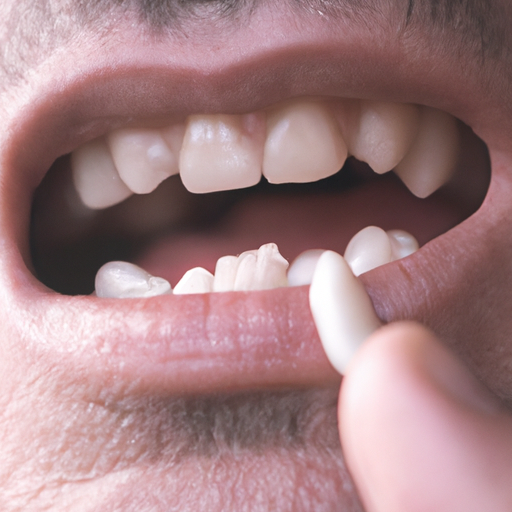
Have you ever found yourself wincing with discomfort, clutching your head in confusion as you ponder: why does the roof of my mouth hurt? This seemingly innocuous query may sound whimsical, but it unveils a myriad of potential challenges that can arise from various causes. Understanding the intricacies of your oral health and the underlying reasons for discomfort can empower you to make informed decisions regarding your well-being.
To dissect this topic, let’s delve into the anatomy of the mouth, illuminating the distinctive structures at play. The roof of the mouth, or the palate, is divided into two primary regions: the hard palate at the front and the soft palate at the back. Each section comprises unique tissues, essential for functions such as swallowing, speaking, and even the enjoyment of food. So, what could lead to irritation, soreness, or outright pain in this often-overlooked area?
The first contender on our list is oral trauma. Whether it’s an unintended bite during a fervent meal or the aftermath of a rough dental procedure, injuries to the palate can manifest as acute pain. The hard palate, being a bony structure, might suffer abrasions or contusions that could cause a lingering ache. Always a good idea to be cautious while savoring your favorite snack!
Similarly, another culprit is burning mouth syndrome. This condition often arises after indulging in spicy or hot food, with the resultant heat damaging the delicate tissues of the palate. The pain can be exacerbated by certain food choices, leading to an ironic conundrum: to feast or to suffer? In some cases, the aftermath of such indulgence can linger for days, transforming everyday activities such as eating or talking into daunting tasks filled with trepidation.
Moreover, the presence of lesions, such as canker sores or oral ulcers, can also contribute to the discomfort. These painful spots can erupt anywhere in the mouth, including the roof. The causes of such lesions are multifarious, ranging from stress to nutritional deficiencies, each necessitating careful consideration and tailored interventions. Have you checked your vitamin levels lately?
In some instances, an underlying medical condition may be the source of your discomfort. Conditions like oral thrush, a yeast infection in the mouth, can lead to a notable increase in sensitivity and pain in the palate. This infection frequently presents with white patches and is often accompanied by a burning sensation. Moreover, systemic issues such as autoimmune diseases can manifest in the mouth, bringing about inflammation and discomfort. Autoimmunity can lead to a scenario where your body becomes its own adversary, ultimately affecting the delicate balance within your oral cavity.
Additionally, there are times when allergies may rear their head. Allergic reactions to certain foods or materials, such as mouthguards or dentures, can lead to irritation and subsequent pain. Have you recently experimented with a new food or switched dental products? A simple alteration could yield unforeseen consequences.
Accompanying these physical manifestations, we mustn’t overlook the psychological impact. Pain in the roof of the mouth can engender considerable stress and anxiety. This relationship is reciprocal, where discomfort may lead to heightened levels of anxiety, which in turn magnifies the perception of pain, creating a feedback loop that is challenging to break. This is particularly noteworthy as mental well-being plays a substantial role in our overall health.
Addressing the pain in the roof of your mouth necessitates a proactive approach. Start by examining your recent dietary choices. Perhaps the solution lies in a brief abstention from spicy or abrasive foods, allowing your palate to recuperate. If lesions are present, topical treatments may provide relief while encouraging healing. Over-the-counter remedies, such as oral gels or antiseptic mouthwashes, can serve as valuable allies in alleviating discomfort.
In cases where allergy is suspected, a cautious exploration of any new foods or dental appliances might yield crucial insights. Keeping a detailed food diary can assist you in pinpointing the sources of potential discomfort. Alternatively, consult a healthcare provider for a more in-depth analysis of your symptoms. They may recommend allergy tests or further examinations to elucidate the root cause.
And let’s not forget about stress management. Engage in mindfulness practices, or seek support if you’re navigating the trials of anxiety. Understanding the interplay between the mind and body can pave the way for holistic healing.
In conclusion, the question, “Why does the roof of my mouth hurt?” opens a Pandora’s box of possibilities, each deserving of attention and respect. Whether the discomfort arises from trauma, dietary choices, infections, or allergies, recognizing the signs and taking proactive steps can significantly ameliorate your situation. After all, your well-being is an intricate tapestry of physical and emotional threads waiting to be unraveled with care. So, the next time pain shadows your palate, reflect on the various dimensions it could encompass and embark on a journey to soothe your suffering.








Leave a Comment