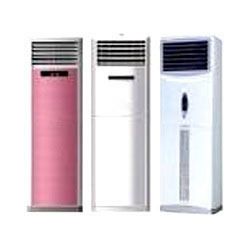
As the summer sun blazes upon us, the air conditioning unit often becomes a sanctuary from the oppressive heat. However, what happens when this mechanical haven fails to deliver the soothing chill we so desperately seek? Discovering that your AC is working but not cooling can be simultaneously perplexing and disheartening. This compilation of guidelines delves into the potential reasons behind this frustrating scenario and offers a wealth of solutions to restore your comfort.
1. Examine the Thermostat Settings
Often an overlooked culprit, a misconfigured thermostat can easily lead to dissatisfaction with indoor temperatures. Begin by verifying that the thermostat is set to “cool” mode instead of “heat,” and that the desired temperature is set lower than the current room temperature. In the case of programmable or smart thermostats, consider resetting them or checking for any software updates. This straightforward check might resolve your cooling conundrum in an instant.
2. Inspect Air Filters
Air filters play a pivotal role in the efficiency of your HVAC system. A clogged or dirty filter can significantly impede airflow, resulting in insufficient cooling. It is advisable to inspect and replace disposable filters every one to three months, depending on usage and environmental factors. For reusable filters, a thorough cleaning at regular intervals will maintain optimal performance and prolong the lifespan of your AC unit.
3. Assess Ductwork Integrity
Deterioration or damage to ductwork can lead to considerable air leaks, severely compromising your air conditioning system’s functionality. Conduct a meticulous visual inspection for visible cracks, disconnected sections, or even signs of pest infestations. In certain instances, the use of duct sealing tape or mastic can remedy minor leaks, but major repairs may necessitate the expertise of a professional duct technician.
4. Clean the Condenser Coils
The condenser coils situated outside your home are crucial for expelling heat. Over time, these coils can accumulate dirt and debris, which inhibits their ability to release heat efficiently. Regular cleaning with a soft brush or a garden hose can restore their functionality. It is paramount to ensure that the coils are not obstructed by vegetation or debris, as this can severely limit your air conditioning unit’s cooling capacity.
5. Check Refrigerant Levels
Refrigerant is the lifeblood of your air conditioning system, facilitating the cooling process. Insufficient refrigerant levels, often due to leaks, can hinder the cooling efficiency of your AC unit. If you suspect low refrigerant, it is essential to contact a certified HVAC technician to assess the system. Attempting to recharge refrigerant without professional expertise can lead to further complications and potential damage.
6. Evaluate the Compressor
The compressor is a critical component of your air conditioner, responsible for circulating refrigerant throughout the system. A malfunctioning compressor may produce unusual noises, overheat, or simply fail to start. If any of these symptoms are present, it is vital to have a qualified technician inspect and repair or replace the compressor as necessary. Regular maintenance can help prevent such failures and elongate the lifespan of the compressor.
7. Consider the Return Air Vent
The proper operation of your AC unit requires unobstructed airflow through return air vents. Inspect these vents for any obstructions, such as furniture or debris, which can impede airflow and negatively impact cooling efficiency. Positioning furniture away from vents and ensuring they are clean and free from blockages can make a significant difference in performance.
8. Investigate the Expansion Valve
The expansion valve is responsible for controlling the flow of refrigerant into the evaporator, where heat absorption occurs. If the expansion valve is faulty, it can lead to improper refrigerant flow, resulting in inadequate cooling. Diagnosing and repairing an expansion valve typically requires professional assistance due to the intricate nature of the machinery involved.
9. Monitor the AC Unit’s Age
As with any appliance, age can take its toll on air conditioners. An older unit, particularly one over 15 years, may no longer operate at peak efficiency. While regular maintenance can extend its lifespan, consider evaluating whether an upgrade to a more energy-efficient model may be warranted if persistent issues occur. This could lead to lower energy bills alongside improved cooling performance.
10. Seek Professional Assistance
When faced with persistent issues despite attempting the aforementioned solutions, it may be time to consult a professional HVAC technician. Engaging a certified expert will ensure a comprehensive diagnosis, potentially revealing underlying problems that are not immediately visible. Their expertise can provide peace of mind and restore your indoor oasis from the relentless heat.
In summary, encountering an air conditioning system that is operational yet failing to cool can be a serious quandary. By systematically addressing thermostat settings, air filters, duct integrity, and other critical components, you can often pinpoint and rectify the issue with relative ease. However, don’t hesitate to enlist professional help should the situation warrant such action. Ensuring the comfort of your living or working space is paramount, especially during the intense heat of summer. With careful attention and preventative maintenance, you can ward off future cooling woes and enjoy the chill that your AC is meant to provide.








Leave a Comment