Tea tree oil, derived from the foliage of the Melaleuca alternifolia tree, has garnered significant attention in the realm of personal care, particularly in relation to hair health. With its enticing, invigorating scent and a wealth of beneficial properties, tea tree oil has become a staple in many hair care routines. This natural remedy captivates enthusiasts and skeptics alike, often leading to inquiries about its multifaceted benefits. Below, we explore the advantages of incorporating tea tree oil into your hair care regimen, shedding light on why it continues to enthrall users worldwide.
1. Antimicrobial Properties
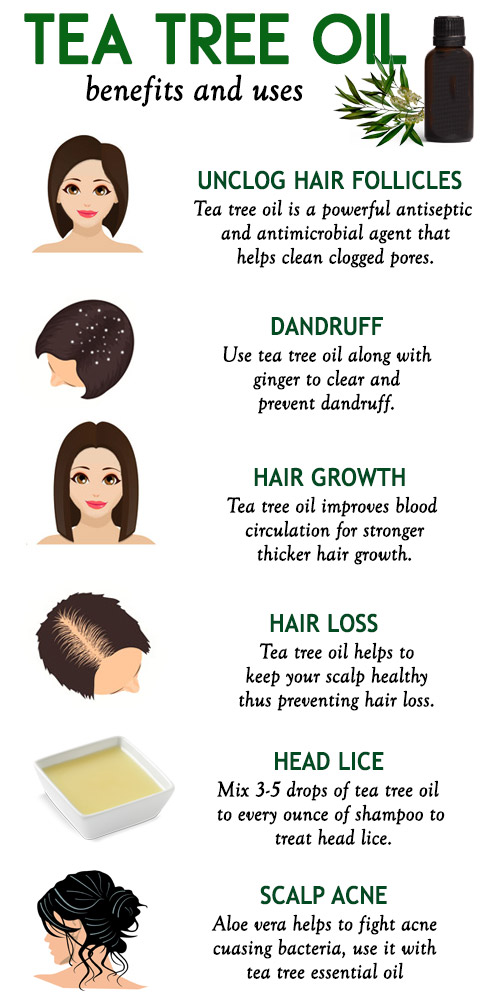
One of the most compelling advantages of tea tree oil is its remarkable antimicrobial properties. Rich in terpinen-4-ol, this powerful compound equips tea tree oil with the ability to inhibit the growth of bacteria, fungi, and viruses. For individuals grappling with scalp conditions such as dandruff or seborrheic dermatitis, these properties can mitigate symptoms and promote a healthier scalp environment. By establishing a hostile environment for pathogens, tea tree oil not only fosters scalp health but also enhances overall hair vitality.
2. Natural Dandruff Remedy
The persistent nuisance of dandruff can be both frustrating and embarrassing. Tea tree oil emerges as a formidable ally in combating this common affliction. Its antifungal nature works effectively against Malassezia, a yeast-like fungus that often exacerbates dandruff. Regularly incorporating tea tree oil into shampoos or scalp treatments can significantly reduce flakiness and soothe itching. The oil’s nourishing properties also promote the revitalization of the scalp, ultimately leading to improved appearance and texture of hair.
3. Anti-Inflammatory Benefits
Inflammation can impede hair growth and contribute to a variety of scalp issues. Tea tree oil possesses potent anti-inflammatory properties that can alleviate irritations and restore the balance of the scalp. For those suffering from conditions that provoke scalp irritation, such as psoriasis or eczema, tea tree oil can be a soothing balm. Applying diluted tea tree oil to irritated areas may provide relief from redness and discomfort, fostering a more hospitable environment for hair growth.
4. Natural Conditioner
In addition to its medicinal attributes, tea tree oil also works effectively as a natural conditioner. It enhances moisture retention in hair strands, leading to increased luster and decreased brittleness. When combined with carrier oils, such as coconut or argan oil, tea tree oil creates a sumptuous hair treatment that nurtures dry, damaged hair. Regular use can restore shine, ensuring that tresses remain vibrant and healthy.
5. Promotes Hair Growth
Encouraging hair growth is a central concern for many individuals. Tea tree oil acts as a stimulant for hair follicles, increasing blood circulation to the scalp. Enhanced circulation can lead to more robust hair growth and improved hair density. Users have reported a revitalization in thinning areas and a general boost in hair health after consistent application of tea tree oil. The regenerative aspect of this beloved oil serves as an empowering motivator for those on a journey toward thicker, more resilient hair.
6. Detoxification of the Scalp
The scalp, much like the skin, can harbor impurities that hinder hair health. Tea tree oil functions as a cleansing agent, purging the scalp of accumulated dirt, oil, and product residue. This detoxifying effect not only clarifies the scalp but also unblocks hair follicles, allowing for healthier hair growth. Utilizing tea tree oil in a scalp treatment or as part of a cleansing regimen can lead to a refreshing, revitalized sensation, leaving one feeling renewed and rejuvenated.
7. Combatting Oily Hair
For those grappling with excessively oily hair, tea tree oil offers an effective natural alternative to commercial hair products laden with harsh chemicals. Its oil-regulating properties help balance sebum production, addressing greasiness at the source. A few drops of tea tree oil mixed with a carrier oil or shampoo can provide a gentle cleanse while ensuring that the scalp does not become overly dry. This equilibrium is essential for maintaining hair health without resorting to unwanted, chemical-laden treatments.
8. An Aromatic Experience
The sensory aspect of tea tree oil cannot be overlooked. Its invigorating aroma has a refreshing effect, often uplifting spirits and creating an enjoyable hair care ritual. Regularly using tea tree oil not only benefits the hair and scalp but can also instill a sense of tranquility and well-being. Emphasizing the importance of a positive experience in personal care routines, the aromatic qualities of tea tree oil enhance both the physical and psychological aspects of hair care.
Conclusion
The advantages of tea tree oil for hair are manifold and impressive. From its robust antimicrobial and anti-inflammatory properties to its role in promoting hair growth, this versatile oil consistently proves its worth in hair care applications. Whether addressing specific scalp conditions or simply seeking to enhance hair vitality, tea tree oil provides a natural, effective solution that resonates with many. The allure of this extraordinary oil lies not only in its multiple benefits but also in the holistic nurturing it offers for both hair and spirit, making it a true gem in the realm of hair care. Embracing tea tree oil may be one of the most prudent decisions on the path to achieving lustrous, healthy hair.









Leave a Comment