Automotive batteries play a crucial role in the operation of vehicles, serving as the primary source of electrical energy needed to start an engine and power various electronic components. However, with their complex chemical makeup and potential hazards, understanding their classification within hazardous materials is essential for safety and compliance. In this article, we will meticulously explore the hazard classification of automotive batteries, focusing on the different types, their characteristics, and the various categories defined by regulatory bodies.
Automotive batteries primarily fall under the category of hazardous materials due to the presence of lead, acid, or lithium as their principal components. As such, they are associated with specific hazard classes that dictate how they should be handled, transported, and disposed of safely. Let’s delve deeper into the intricacies of this classification and the implications it carries for consumers, manufacturers, and the environment.
1. Hazard Classes Overview
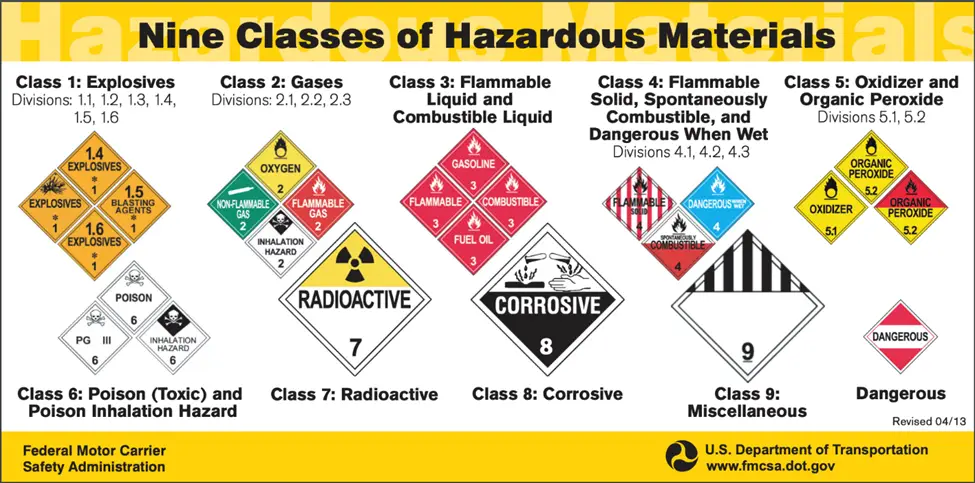
The classification of hazardous materials is regulated by governing bodies such as the Department of Transportation (DOT) in the U.S. The classes are designated to identify the risks associated with different materials. Automotive batteries can be broadly categorized into several hazard classes.
2. Class 8: Corrosive Materials
One of the most significant classifications applicable to many automotive batteries is Class 8, which denotes corrosive materials. This classification primarily pertains to lead-acid batteries, which contain sulfuric acid. When exposed to conditions that allow leakage or spillage, sulfuric acid can cause severe burns and corrosion to living tissues and most materials.
It is essential when handling lead-acid batteries to wear appropriate personal protective equipment (PPE), such as gloves and safety goggles, to mitigate the risk of direct contact with this caustic substance.
3. Class 9: Miscellaneous Dangerous Goods
Automotive batteries also fit within Class 9, which encompasses miscellaneous dangerous goods. This class includes items that do not fall into the other defined classes but still pose a risk during transportation owing to their chemical characteristics. Lithium-ion batteries, often used in electric vehicles, fall under this classification due to their capacity to ignite if punctured, overheated, or charged improperly.
This hazard classification is integral for shipping and logistics, ensuring that organizations follow stringent protocols reducing the risk of incidents during transport.
4. Types of Automotive Batteries
Understanding the different types of automotive batteries is crucial for assessing their respective hazard classes.
a. Lead-Acid Batteries
Lead-acid batteries are the most common type found in traditional vehicles. They consist of lead dioxide (PbO2) as the positive electrode, sponge lead (Pb) as the negative electrode, and sulfuric acid as the electrolyte. These batteries are effective and relatively inexpensive but pose significant risks due to the lead and sulfuric acid content.
b. Nickel-Metal Hydride (NiMH) Batteries
NiMH batteries, commonly used in hybrid vehicles, contain nickel and hydrogen-absorbing alloys. Though less hazardous than lead-acid batteries, they still require careful handling and disposal.
c. Lithium-Ion Batteries
Lithium-ion batteries have rapidly gained popularity in electric vehicles and advanced automotive technologies. While they are lightweight and have a high energy density, they also present unique hazards. These include the potential for thermal runaway—an uncontrolled increase in temperature that can lead to fires or explosions if not properly managed.
5. The Importance of Proper Handling and Disposal
Due to the hazardous nature of the materials within automotive batteries, proper handling and disposal are paramount. Regulations dictate that lead-acid batteries must be recycled or disposed of in designated facilities to prevent environmental contamination.
Treatment of lithium-ion batteries requires attention to fire safety protocols. Facilities handling these batteries should be equipped to manage electrical hazards associated with lithium, including specialized fire mitigators for thermal incidents.
6. Transport Regulations
The transportation of automotive batteries is governed by several regulations to mitigate risks. The International Air Transport Association (IATA) has defined stringent guidelines for the safe transport of lithium batteries, including labeling and packaging requirements. Similar standards exist for road and rail transport regulated by the DOT.
7. Environmental Considerations
Improper disposal of automotive batteries can have devastating effects on the environment. Lead contamination from lead-acid batteries can infiltrate soil and water supplies, leading to long-lasting ecological damage. The importance of recycling cannot be overstated, as it not only conserves natural resources but also minimizes hazardous waste.
Conclusion
Automotive batteries, often overlooked in discussions about vehicle safety and environmental impact, present a complex array of hazards classified primarily as corrosive materials and miscellaneous dangerous goods. Understanding their classification and the implications of handling these batteries is critical for consumers, manufacturers, and environmental custodians alike. As the automotive industry progresses towards electrification and green technologies, the emphasis on safety standards in the handling and transportation of all types of batteries will continue to grow. Awareness and adherence to these classifications are imperative for ensuring not just individual safety but also a sustainable future for our planet.










Leave a Comment