Painting a car is much like dressing it in a bespoke suit—the color, texture, and finish are not merely superficial aspects but integral elements of its identity. Just as an artist selects hues to convey emotion, a car owner must ascertain the precise quantity of paint required to achieve the desired aesthetic. This article unravels the complexities of determining how much paint is necessary for your vehicular transformation, offering a roadmap through the intricacies of this process.
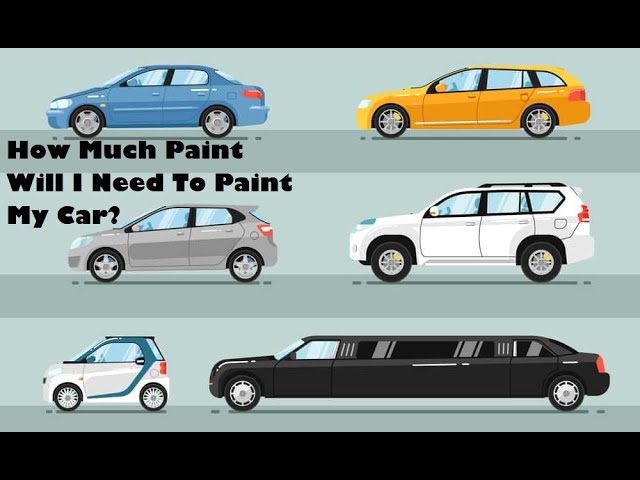
An essential starting point in this journey is understanding the dimensions of the vehicle. The average car envelops approximately 200 to 400 square feet; however, the nuances involved in different models can mar this simplicity. For instance, sports cars, with their sleek aerodynamic elegance, often possess fewer curves and contours compared to the robust profile of SUVs. The more complex the body shape, the more paint will be consumed in the quest for flawless coverage. In essence, consider the vehicle as a three-dimensional canvas, with each facet demanding visual attention.
Next, one must grapple with the choice of paint type. There are myriad formulations available—acrylics, urethanes, and enamels, each offering distinctive characteristics and finished effects. Acrylic paints, akin to the most vivacious of artists’ palettes, dry rapidly and can exhibit superior vibrancy. Urethanes, on the other hand, provide durability that can outlast a summer storm, ensuring your masterpiece withstands the caprices of nature. The chosen paint will undoubtedly inform the volume required, as some formulas may necessitate thicker applications to achieve opacity, while others may glide on with an almost delicate whisper.
In estimating the volume of paint needed, a general guideline emerges: most vehicles require approximately one to two gallons of paint for a complete respray. This estimation, however, fluctuates based on factors like the number of coats you intend to apply. The layers of paint orchestrate a dance of depth and sheen, transforming a mundane surface into an eye-catching spectacle. While one coat might suffice for a routine touch-up, a luxurious deep finish may demand three or even four coats—each layer a stroke in the intricate tapestry of your car’s new look.
Another variable in this equation is the technique of application. Professional spray techniques utilize a more efficient distribution of paint, minimizing waste while achieving optimal coverage. Conversely, amateur methods can result in over-spray and spillage—excess paint akin to confetti scattered in a whirlwind. Thus, for those moments when DIY beckons, it is prudent to prepare for overflow, potentially inflating your required quantity to three gallons or more.
Moreover, the intricacies don’t stop there. The color of the paint plays an essential role in the calculation. Beyond mere aesthetic preference, darker colors typically demand a deeper application to conceal any underlying tones, while lighter hues might leverage fewer layers. This interplay between shade and application not only influences the total paint required but also impacts the cost, making thoughtful color selection paramount.
As you dive deeper into the painting depths, consider the primer—the unsung hero beneath the luminescent final coat. For a comprehensive painting endeavor, particularly if you’re altering the hue significantly, a primer must be leveraged, adding yet another layer of complexity to your computations. Depending on the size of your vehicle and the potency of your selected primer, you may require a gallon or two. A good primer can enhance adhesion and reduce the quantity of topcoat needed, thus making it a wise investment in the overall scheme of things.
It’s also crucial to think about the vehicle’s condition prior to embarking on this artistic journey. If your steed bears signs of significant wear, such as rust or scratches, a preparatory process including sanding and filling will precede the painting stage. Each preparation step can introduce materials that will further affect the amount of paint needed. Think of this as laying the groundwork for your canvas: the cleaner and smoother it is, the less paint you will squander in pursuit of perfection.
Once you have successfully calculated the quantity of paint needed, ensure to account for incidental waste. Whether due to tool mishaps, accidental drips, or even errors during application, some paint is bound to go astray. A safe approach might be to add 10% to your total figure, capturing the unpredictabilities inherent in any creative endeavor. This consideration embodies the adage, “it’s better to have it and not need it than to need it and not have it.”
In conclusion, painting a car transcends mere aesthetics; it is a meticulous process requiring a harmonious blend of skill, knowledge, and intuition. By accurately gauging the amount of paint needed—taking into account vehicle size, paint type, application technique, and preparatory measures—you can effectively transform your car from a blank slate into a stunning reflection of personal expression. Embrace this adventure with an artist’s passion and a craftsman’s precision, and your vehicle will emerge not just painted, but rejuvenated, embodying your vision in a vivid tableau on wheels.






Leave a Comment