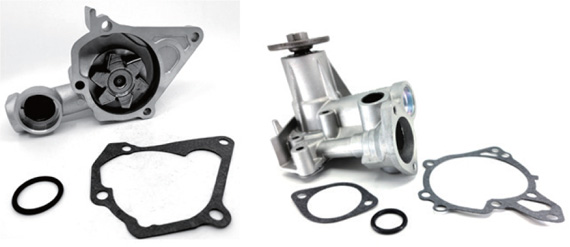
Automotive water pumps serve the critical function of circulating coolant throughout the engine. This intricate mechanism plays a vital role in maintaining optimal operating temperatures and preventing overheating. Despite their significance, water pump failures are a common ailment, leaving many car owners wondering about the nuances of repair and replacement. The fascination with automotive water pump repair lies not only in the mechanics of the device itself but also in the broader implications of proper maintenance. This guide delves into the key aspects of water pump repair, exploring the symptoms of malfunction, diagnostic techniques, repair processes, and tips to avert future issues.
Understanding the Role of the Water Pump
The water pump is essentially the heart of the cooling system, responsible for moving coolant from the radiator through the engine block and back again. By maintaining a steady flow, it ensures that the engine operates within its designed temperature range. A well-functioning water pump prevents engine components from overheating, thereby reducing the risk of catastrophic failure. So, understanding how to repair this vital component not only instills a sense of automotive savvy but also enhances the longevity of the vehicle.
Common Symptoms of a Failing Water Pump
Identifying the early signs of a troublesome water pump can save both time and money. Here are several symptoms to watch for:
- Overheating Engine: The most obvious indicator of a failing water pump is engine overheating. If the temperature gauge climbs into the red zone, it’s essential to investigate the water pump and the entire cooling system.
- Coolant Leaks: Puddles of coolant beneath the vehicle may signal a leak. Inspecting the water pump for any signs of leakage, particularly at the gasket or housing, is critical.
- Unusual Noises: A grinding or whirring sound emanating from the engine could indicate a failing water pump bearing. Listening closely while the engine is running can reveal much about the water pump’s condition.
- Corroded or Rusty Housing: A visual inspection may reveal corrosion or rust on the water pump’s exterior, hinting at internal degradation.
Diagnostic Techniques
Once overheating or other symptoms have recognized, it’s time to diagnose the issue. Here are several methods to assess the water pump’s condition:
- Pressure Testing: Applying pressure to the cooling system can help identify leaks in the water pump and other related components.
- Temperature Check: Using an infrared thermometer to measure the temperature of the water pump can provide insights into its operational efficiency.
- Visual Inspection: Carefully examining the pump for wear, tear, or signs of coolant seepage can often uncover the source of problems.
Repairing vs. Replacing the Water Pump
When faced with a failing water pump, one critical decision looms large: should you repair it or opt for a replacement? While repairs can be tempting due to lower immediate costs, they may not always be viable or effective. Assessing the overall wear of the pump is essential. If the damage is limited to non-structural parts, repairs may be feasible. However, if the pump is significantly corroded or mechanically compromised, replacement is the prudent choice to ensure reliability.
Step-by-Step Repair Process
If a repair is deemed appropriate, follow these steps to ensure an effective repair:
- Gather Necessary Tools: A complete toolbox, including wrenches, screwdrivers, pliers, a coolant catch pan, and potentially a torque wrench, is essential for the task.
- Drain the Coolant: Begin by draining the coolant from the radiator and engine. This step is crucial to prevent spills and ensure a clean workspace.
- Remove the Water Pump: Disconnect the component, typically held in place by bolts. Ensure that any connected hoses are removed carefully to avoid damage.
- Replace Gaskets and Seals: If the pump can be repaired, replacing gaskets and seals can prevent future leaks and ensure that the pump operates efficiently.
- Smooth Out Surfaces: Clean the surfaces where the pump mates to the engine block to ensure a proper seal once the pump is reinstalled.
- Reinstall the Pump: Carefully reinstall the water pump, ensuring that all bolts are torqued to the manufacturer’s specifications.
- Refill Coolant: After reinstallation, refill the cooling system with the appropriate coolant and run the engine to check for leaks and ensure proper operation.
Preventing Future Water Pump Problems
Once the repair is complete, preventative measures can significantly prolong the lifespan of the water pump and the entire cooling system:
- Regular Maintenance: Periodically checking the coolant levels, inspecting for leaks, and flushing the cooling system at recommended intervals is key.
- Using Quality Coolant: Ensure that the coolant used meets manufacturer specifications to minimize corrosion and maintain optimal performance.
- Monitor Engine Performance: Keeping an eye on engine temperature and performance can alert you to potential water pump or cooling system issues before they escalate.
Understanding automotive water pump repair provides an opportunity to appreciate the intricate workings of your vehicle. Beyond the mechanics, it underscores the importance of diligent maintenance practices that can lead to a well-functioning and reliable engine. By recognizing the symptoms, employing effective diagnostic techniques, and engaging in proper repair and preventative measures, car enthusiasts can foster a deeper connection with their vehicles, enhancing both knowledge and driving experience.








Leave a Comment