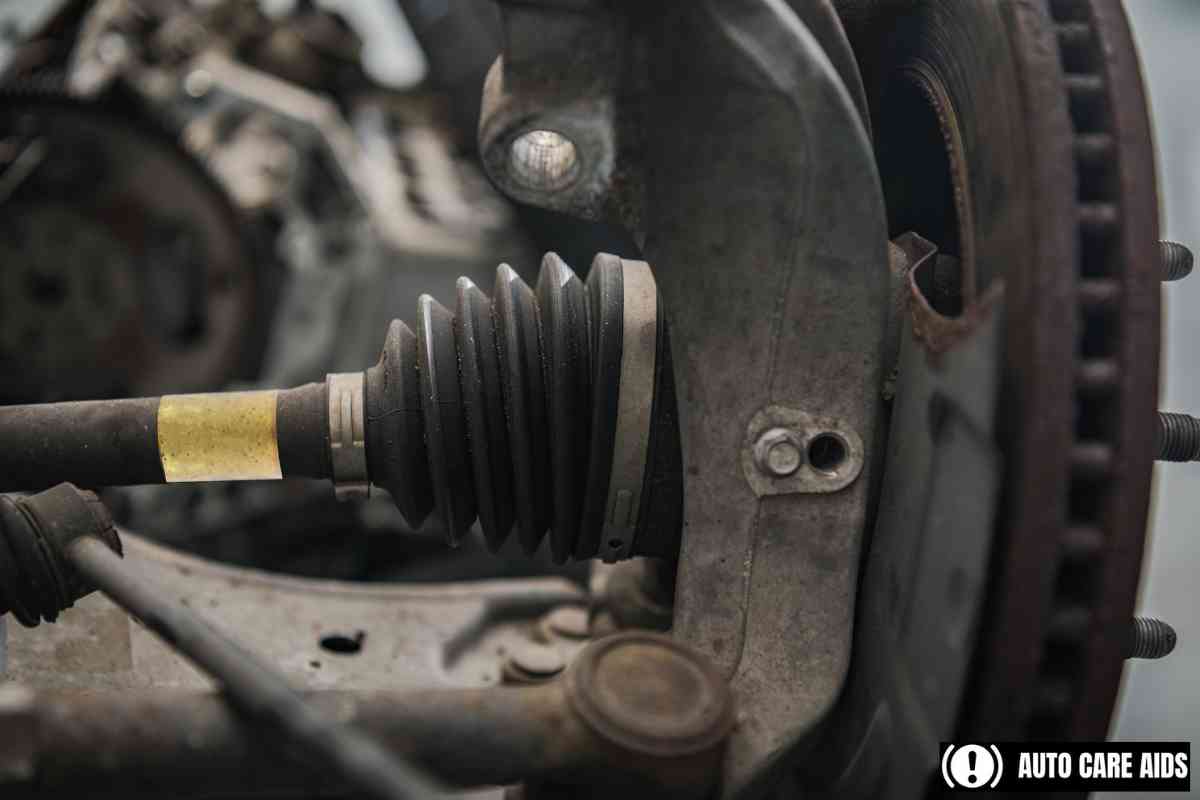
In the intricate ballet of automotive mechanics, the velocity joint plays a pivotal role—much like the hidden gear in a timepiece, constantly working behind the scenes to ensure seamless motion. This complex component, often neglected until trouble arises, links the transmission to the wheels, permitting the delicate dance of acceleration and steering. But what transpires when this crucial joint falters? Can you venture out onto the asphalt with a failing velocity joint? Let’s embark on a detailed exploration of this enigma.
Understanding the Velocity Joint
The velocity joint, often referred to as a CV (constant velocity) joint, is designed to enable smooth power transfer while amplifying the vehicle’s stability even on rough terrain. Imagine it as the flexible bridge that connects two islands—the driving force from the engine and the tires gripping the road, facilitating movement in various directions. These joints are typically found in front-wheel drive vehicles and are crucial for any machine that craves versatility.
Signs of a Deteriorating Joint
Much like the faint creaking of an aging wooden door signals the need for maintenance, specific symptoms denote a velocity joint in distress:
- Unusual Noises: A persistent clicking or popping sound when turning, resembling the haunting echoes of a distant storm, often indicates that the CV joint is beginning to fail.
- Vibrations: A noticeable shuddering feeling through the steering wheel when in motion may suggest deeper issues lurking beneath the surface.
- Grease Leakage: The presence of grease pooled near the wheel well is analogous to a wound bleeding; it indicates that the protective boot has ruptured and contaminants have invaded the joint.
- Difficulty Steering: Stiff or twitchy steering can feel like navigating a treacherous path through fog, making precise maneuvers a gamble.
Can You Drive with a Bad Velocity Joint?
The simple answer is yes; however, doing so is akin to walking a tightrope without a safety net. The degradation of a velocity joint compromises both safety and performance:
- Heightened Risk: Venturing out with a deteriorating joint can lead to catastrophic failure, potentially causing the wheel to detach entirely. It’s the automotive equivalent of riding a rollercoaster with a faulty harness—thrilling at first glance but perilous beyond reason.
- Performance Impact: The inability to maintain a consistent speed or transfer power properly can lead to subpar performance, much as a stage performer falters when the lights dim unexpectedly.
- Financial Consequences: Delaying repairs could inflate costs, transforming a simple replacement into an expensive overhaul. Ignoring the signs is similar to watching a small crack in a dam; eventually, it can lead to a deluge of problems.
Immediate Consequences of Driving with a Failing Joint
Taking to the roads with a bad velocity joint can trigger a cascade of complications. As the joint deteriorates:
- Joint Failure: The primary risk is sudden joint failure, which may result in loss of control or an accident. It’s like playing a game of Jenga where every piece removed heightens the chance of collapse.
- Increased Wear: Other components, such as axles and bearings, bear the brunt of increased stress, leading to a domino effect of mechanical failures.
- Roadside Assistance: A breakdown may force an unwelcome call to roadside assistance, halting your journey and possibly stranding you in a vulnerable location, reminiscent of a ship adrift without its anchor.
Repairing or Replacing the Velocity Joint
Addressing a failing velocity joint can feel daunting, but it is often straightforward. A mechanic, equipped with the right tools and expertise, can replace the joint efficiently. Here’s an overview of the standard procedure:
- Diagnosis: A thorough inspection will confirm the diagnosis, guiding the mechanic in their approach.
- Removal: The damaged joint is extracted, akin to unwinding tangled threads to free a stuck needle.
- Replacement: A new joint, often pre-greased and wrapped in a protective boot, is installed, restoring harmony to the vehicle’s dynamics.
Safe Driving Practices
If you suspect a deterioration and must navigate the roads, adopting cautious driving practices is crucial. Maintain a gentle touch on the accelerator, reduce speed, and avoid sharp turns that could exacerbate the issue. Remaining vigilant can help stave off a disaster while waiting for repairs.
Conclusion
In the grand tapestry of automotive operation, the velocity joint serves as a quintessential thread, binding together various components to ensure fluid movement. With knowledge of the potential dangers inherent in driving with a bad velocity joint, individuals can make informed choices to safeguard their safety and their vehicle’s performance. Just like a musician tuning their instrument before a performance, attending to a faltering velocity joint can ensure you’re always ready for the journey ahead—smooth, harmonious, and full of possibility.










Leave a Comment