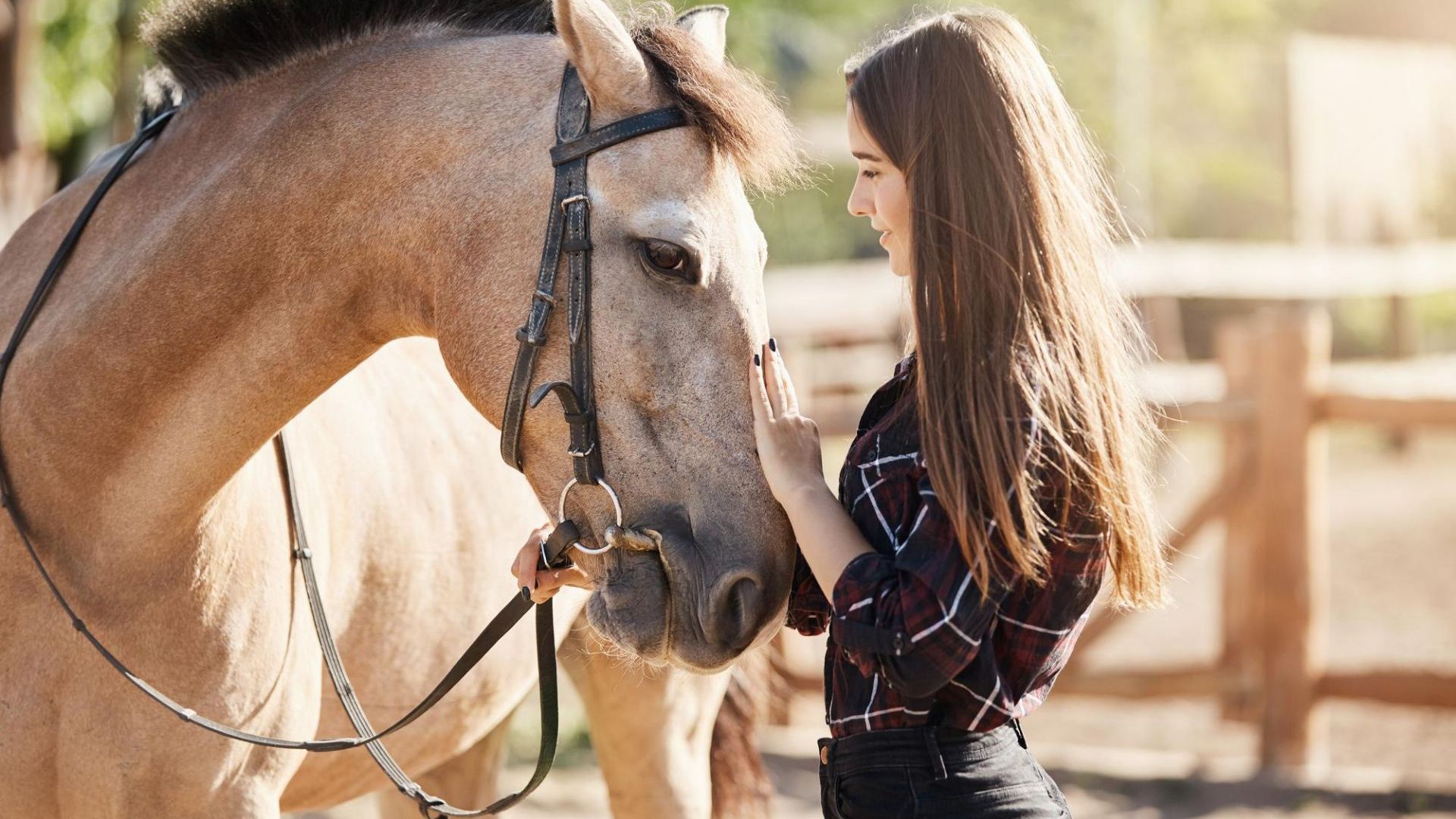
As the sun dips below the horizon, painting the sky with hues of orange and purple, the rhythmic clip-clop of hooves fills the air. Riding a horse evokes a sense of freedom akin to flying, where the spirit roams wild and unshackled. However, beneath the tranquil surface of equestrian pleasure lurks a question that tantalizes both equestrians and legal minds alike: Can one actually be prosecuted for DUI (driving under the influence) while riding a horse? The intersection of law and lifestyle gives rise to an intriguing landscape filled with nuances and unexpected ramifications.
To embark on this exploration, it is vital to delineate the legal framework governing DUI laws. Typically, the term “driving” conjures images of automobiles and motor vehicles, leaving horseback riding somewhat adrift in legislative waters. Nevertheless, the essence of DUI laws centers on the concept of operating any conveyance while impaired. This leads us to examine the definitions of a “vehicle” and whether a horse qualifies within legal confines.
The Nature of the Beast: Defining a Vehicle
In many jurisdictions, the term “vehicle” encompasses a broad spectrum of transportation modes, ranging from bicycles to trucks, and in certain instances, even equine companions. The pivotal question hinges on whether a horse, galloping gracefully through a meadow or clopping down a rustic road, falls under this categorization. Some states explicitly include horseback riding within their DUI statutes, while others maintain a more ambiguous stance. Thus, the legal landscape is far from uniform across the United States.
Legal Precedents: Case Studies
To deepen our understanding, let’s traverse the annals of past cases. A notable instance was recorded in the state of California, where a man was charged with DUI while riding his horse in a public area. The prosecution argued that the individual was compromising public safety, leading to an eventual conviction that prompted ripples of discussion across both legal and equestrian communities. Such cases illuminate the true nature of the law’s interpretation regarding these majestic creatures.
In contrast, certain states, like Texas, maintain laws that specifically exclude horseback riding from DUI charges, provided the rider is not on a publicly owned roadway. This inherent variability necessitates a keen awareness of local legislation. You may be riding your majestic steed through the golden fields of Kansas, but if you’ve indulged in spirituous libations too freely, you might find yourself enmeshed in legal entanglements.
The Cultural Context: Historical Perspectives
To add layers to this inquiry, we must recognize the cultural tapestry woven around equestrianism. Historically, horses have been entwined with human civilization, serving as major players in transportation, warfare, and agriculture. As humanity evolved, so too did its relationship with horses. In the context of modern laws, this evolution prompts questions of judgement: how much autonomy do riders possess when atop these noble beasts? Is riding under the influence akin to operating a vehicle, or is it a dance of freedom, unencumbered by the strictures of the law?
The Risks Involved: Beyond Legal Repercussions
Even with a semblance of legal clarity, it’s imperative to consider the intrinsic dangers of riding under the influence. Horses, despite their serene demeanor, are still formidable animals, susceptible to unexpected triggers and stimuli. A rider, dulled by alcohol, may lack the quick reflexes necessary to navigate potential hazards effectively. The prospect of an accident looms large, not only threatening the life of the rider but also the well-being of the horse and any innocent bystanders.
Moreover, there’s an ethical dimension to consider. The relationship between rider and horse is built on trust and mutual respect. To place both parties at risk by indulging in alcohol is to breach that unspoken bond, tainting the purity of the equestrian experience.
Embracing Responsibility: A Call to Action
The moral imperative becomes clear: if riding horses is a cherished pursuit, it necessitates a commitment to safety and responsibility. Just as a responsible driver would refrain from drinking before taking the wheel, so too should equestrians heed this guideline. This commitment fosters an environment where both rider and horse can thrive harmoniously, sustaining the richness of the equestrian tradition.
Conclusion: The Duality of Freedom and Responsibility
In conclusion, the question of whether you can be charged with DUI while riding a horse opens a Pandora’s box of legal complexity and ethical considerations. As society continues to evolve, so too must our understanding of the laws surrounding transportation, whether it be in powered vehicles or on the back of a spirited steed. The world of equestrianism presents a duality: the exhilarating freedom of riding juxtaposed against the weighty responsibility inherent in controlling a living, breathing creature. Ultimately, to honor this age-old bond, embracing a stance of responsibility while cultivating a love for the ride is essential. The horse remains a symbol of unbridled liberty, but that freedom must be tempered with respect—both for the animal and the laws that govern our interactions with the world around us.







Leave a Comment