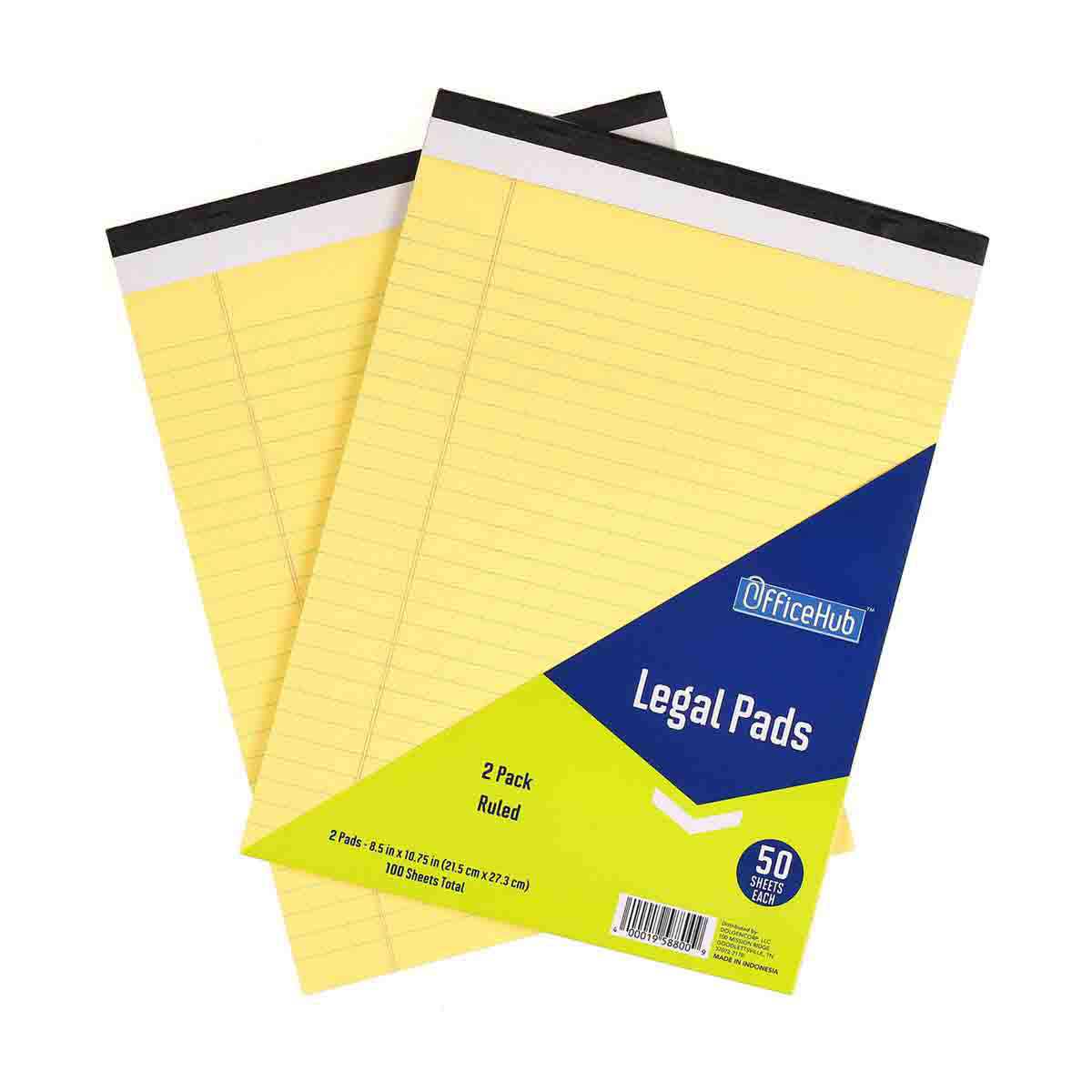
The humble yellow legal pad, often dismissed as mere office supply, is a fascinating embodiment of engineering ingenuity and practical design. With roots deeply embedded in the traditions of American legal practice, this unassuming tool of the trade promises a delightful shift in perspective when approached with curiosity and appreciation. What lies beneath the surface of its yellow sheets and simple lines? In this comprehensive exploration, we will delve into the intricate world of yellow legal pads engineering, revealing the myriad influences that shape their production, design, and cultural significance.
1. Historical Context: The Birth of the Legal Pad
To unravel the engineering mystique of yellow legal pads, one must first traverse through their historical lineage. The inception of legal pads can be traced back to the early 20th century. Their vibrant yellow hue emerged, not merely as a design choice, but as a strategic decision to enhance readability. The contrasting color against the white ink allows for better visibility, thereby minimizing the strain on the eyes during long hours of documentation. Legal pads became indispensable tools, buoyed by the increasing formalization of legal processes in the United States.
2. The Anatomy of a Legal Pad: Materials and Design
At first glance, a legal pad appears simple, comprised of lined sheets bound together at the top. However, its engineering encompasses a multitude of thought-provoking elements:
- Paper Quality: Often crafted from high-quality, acid-free paper, legal pads resist yellowing over time, preserving content for archival purposes. The weight and texture of the paper play crucial roles in ink absorption and smoothness of the writing experience.
- Binding Method: Most commonly bound with a glue top, the engineering of this binding ensures that pages can be easily torn off without damaging the remaining sheets. This practicality appeals to users who value efficiency.
- Lines and Margins: Typically, legal pads boast a standard format of 1-inch margins on the right side. This design element is not merely aesthetic; it caters to legal professionals who require space for annotations and comments.
3. The Color Yellow: A Symbolic Significance
The selection of yellow as the predominant color for these pads is laden with meaning. Color psychology suggests that yellow promotes clarity and stimulates mental activity. This is particularly pertinent for lawyers, who must devote themselves to complex thoughts and extensive data. Engineers and designers have leveraged the choice of color as more than just a visual preference but as a tool to elevate cognitive engagement.
4. Ergonomics and Usability: Engineering for Comfort
Beyond aesthetics, the ergonomics of legal pads enhance usability. The size—typically 8.5 x 14 inches—strikes an ideal balance between spaciousness and portability. Such dimensions facilitate ease of writing while accommodating ample content, making it a preferred companion during meetings and court sessions. The tactile experience of writing on the pad contributes to an enhanced connection between writer and medium, fostering creativity and clarity of thought.
5. The Role of Legal Pads in Modern Society
Although the rise of digital note-taking has transformed many traditional tools into relics, the legal pad persists with unwavering resilience. Its presence endures in the hallowed halls of law firms, corporate boardrooms, and academic institutions. The tangible act of writing on paper fosters an organic flow of ideas that screens often disrupt. This intrinsic value underscores a deeper yearning for connection—both to our thoughts and the task of creation itself.
6. Cultural Impacts and Iconic Status
Across various terrains of popular culture, the yellow legal pad has transcended its utilitarian origins to acquire an iconic status. It is often depicted as a symbol of intellect and professionalism, embraced by writers, journalists, and academics alike. The legal pad transforms into a canvas for brainstorming and ideation, embodying a facilitator of creativity and a vessel for thoughtful discourse.
7. Sustainability and Future Innovations
As awareness surrounding environmental issues heightens, so too does the call for sustainable production practices in all facets of manufacturing, including the paper industry. Advances in eco-friendly materials offer a promising future for yellow legal pads, with recycled paper becoming an increasingly viable option. Emerging technologies may one day herald innovations that enhance durability and longevity, ensuring that future iterations of legal pads can continue to be both practical and environmentally conscious.
8. Embracing the Nostalgia of the Yellow Legal Pad
In an age dominated by technology, the yellow legal pad evokes nostalgia. It calls to mind the simplicity of jotting down notes in a world that increasingly prioritizes speed and efficiency. By choosing to engage with this age-old tool, one may discover a renewed appreciation for the tactile experience of writing, as well as the power of ideas captured on paper. Each page serves as a testament to thought, a physical manifestation of deliberation, creativity, and connection.
In conclusion, the humble yellow legal pad is a remarkable concoction of engineering, symbol, and heritage. It offers a rich tapestry of interplay between functionality and design, inviting curiosity and engendering an appreciation for its continued relevance. As we embrace the myriad promises of an evolving world, let us not overlook the extraordinary potential encapsulated within something as seemingly mundane as a legal pad. In each stroke of the pen on its yellow sheets, we affirm the timeless pursuit of knowledge, creativity, and connection—unveiling perhaps the most profound promise of all.









Leave a Comment