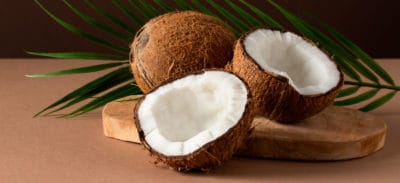
In the realm of health and wellness, coconut products have garnered a considerable amount of attention, with coconut oil and coconut butter taking center stage. Both derived from the coconut fruit, these two products boast a wealth of benefits and applications, yet they are significantly different in both composition and use. This article delves into the distinctions, benefits, culinary applications, and skincare uses of coconut butter versus coconut oil, ensuring you are well-equipped to make an informed choice based on your needs.
Understanding the Basics
Coconut oil is extracted from the flesh of mature coconuts through a process of pressing and centrifugation. It predominantly consists of saturated fats, particularly medium-chain triglycerides (MCTs) such as lauric acid, which are lauded for their health benefits. In contrast, coconut butter is made from the whole coconut meat, offering a creamy texture akin to that of nut butters. This product contains not only the oil, but also the fibrous pulp, giving it enriched nutritional value.
Nutritional Profile
Examining the nutritional aspects reveals critical differences between the two. Coconut oil is nearly entirely fat, with negligible amounts of carbohydrates and proteins. It acts primarily as a concentrated source of calories, providing around 120 calories per tablespoon. This oil’s high saturated fat content is a topic of debate, but proponents argue that the MCTs provide instant energy and may aid in weight management.
Coconut butter, on the other hand, offers a broader nutritional profile. It contains medium-chain fatty acids as well, but it is also enriched with dietary fiber, vitamins, and minerals found in the coconut flesh. A tablespoon of coconut butter contains around 100 calories, alongside fiber and traces of protein, thus positioning it as a more nutrient-dense option.
Culinary Uses
When it comes to culinary applications, the two products serve distinct purposes. Coconut oil is predominantly utilized for frying, sautéing, and baking due to its high smoke point, which typically hovers around 350°F. Its flavor is mild and unobtrusive, making it versatile for various dishes, from tropical curries to baked goods. Additionally, its emulsifying properties make it an ideal choice for dressings and marinades.
Conversely, coconut butter is often touted for its rich, decadent taste and creamy texture. It’s a wonderful ingredient for smoothies, oatmeal, or simply as a spread on toast. Beyond the breakfast table, it can be melted and drizzled over desserts or incorporated into energy balls or protein bars, enhancing both flavor and nutritional content. However, due to its lower melting point, coconut butter is not suitable for high-heat cooking.
Health Benefits
Both coconut oil and coconut butter boast a range of health benefits, though they manifest differently. Coconut oil’s MCTs are known for their ability to increase energy expenditure and may facilitate weight loss by promoting ketosis, a metabolic state where fat is utilized for fuel. Moreover, its antiviral and antibacterial properties can contribute to better immune function, thanks to lauric acid.
On the contrary, coconut butter is often praised for its contribution to gut health due to its fiber content. This dietary fiber aids in digestion, helping to maintain a healthy gut microbiome. Additionally, its richness in essential vitamins and minerals supports overall health, including skin health, immune function, and metabolic processes.
Skin Care Applications
The versatility of coconut products extends to skincare as well. Coconut oil is a popular choice for moisturization and can be used as a carrier oil for essential oils in massages. Its occlusive properties create a barrier that locks in moisture, making it effective for dry skin. Furthermore, its antimicrobial qualities may assist in preemptively combating acne.
Conversely, coconut butter’s thicker consistency provides a luxurious, hydrating barrier ideal for dry, parched skin. It can be used as a body moisturizer, hand cream, or even as a lip balm. The presence of antioxidants in coconut butter can mitigate oxidative stress, contributing to youthful skin. Additionally, its rich texture makes it suitable for hair care, acting as a deep conditioner to tame frizz and repair damage.
Storage and Shelf Life
When considering storage and shelf life, both products require specific conditions for optimal longevity. Coconut oil can be stored at room temperature for extended periods, remaining stable for up to two years. If the oil solidifies, it can be gently warmed without compromising its integrity.
Coconut butter, however, is best kept in a cool, dry place and should be used within six to twelve months of opening. Its natural tendency to separate may necessitate stirring, and it can solidify in cooler temperatures, similar to coconut oil. Light exposure should be minimized to preserve the quality of both products.
Conclusion
In the exploration of coconut butter versus coconut oil, one realizes that each offers a unique set of benefits suited to different needs. Whether you seek the high-energy yield and culinary versatility of coconut oil or the nutrient density and creamy allure of coconut butter, both enrich our diets and enhance our skincare regimens. Ultimately, the choice between these two remarkable products depends on individual preferences and intended applications. Incorporating either or both into your lifestyle can lead to a plethora of health and culinary delights, making them indispensable staples in any health-conscious kitchen.










Leave a Comment