When it comes to the culinary world, few ingredients stir up as much passion and debate as ham. Within this meaty realm, two distinct types take center stage: cured and uncured ham. Like two characters in an age-old fable, they each possess unique qualities, flavors, and traditions. By exploring the intricate tapestry of cured versus uncured ham, we unearth a narrative steeped in history, technique, and the alchemy of flavor.
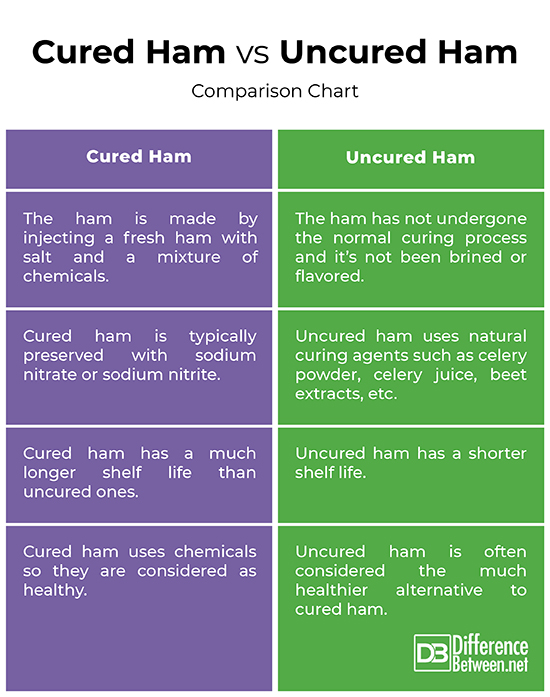
At its core, the distinction between cured and uncured ham hinges on the preservation method. Cured ham is often likened to an artist’s canvas, meticulously prepped and crafted to enhance its inherent qualities. The process involves the application of salts, nitrates, and sometimes sugars, creating a symphony of flavors through the interplay of sweet, salty, and savory notes. This age-old technique not only elongates the shelf life but also imbues the meat with a complexity that dances on the palate.
Conversely, uncured ham emerges as the rebel, shunning traditional preservatives. It relies instead on natural ingredients and methods derived from primal practices. The defining character of uncured ham is that it is typically brined with sea salt and offers a cleaner, more unadulterated taste. Here, the essence of the pig is allowed to shine, unmarred by the additives commonly found in its cured counterpart.
From a sensory perspective, cured ham beckons with its rich, robust flavor. Think of it as a fine wine, aged to perfection, with each bite revealing layers of seasonings and textures. The curing process allows for a deeper penetration of flavors, producing varieties such as prosciutto, country ham, and even the beloved Virginia ham. Each of these variations tells its own story, drawing from local traditions and unique spice blends that contribute to their signature profiles.
In contrast, uncured ham invites culinary adventurers to relish a taste that is more authentic and elemental. It possesses a subtlety akin to a gentle breeze, allowing the natural sweetness of the pork to flourish. Many may find uncured ham to have a slightly milder taste, and some enthusiasts appreciate its freshness, which allows for versatile culinary applications. This makes it a favored choice among those who advocate for a clean-eating lifestyle.
Additionally, the nutritional aspect of cured versus uncured ham presents compelling distinctions. Cured ham often contains artificial preservatives such as sodium nitrite, which plays a pivotal role in inhibiting bacterial growth and imparting a vibrant color. This can raise concerns among health-conscious individuals, causing them to seek alternatives that forego such chemicals. Uncured ham, with its cleaner ingredient list, is often perceived as the healthier option, providing assurance to those who prioritize what they consume.
The culinary versatility of both types of ham adds another layer to this meaty debate. Cured ham can elevate a simple sandwich into a gourmet experience, infusing it with depth and sophistication. It serves as an exquisite pairing with cheeses, fruits, and chutneys, each combination a testament to the culinary artistry that can ensue. Conversely, uncured ham shines in its simplicity. Its neutral flavor profile makes it an ideal canvas for myriad dishes, from hearty breakfast frittatas to savory pasta dishes, where it can meld seamlessly with other ingredients.
Interestingly, the origins of these two ham types also merit exploration. Cured ham has roots steeped in necessity, tracing back to ancient civilizations who needed to preserve meat long before refrigeration graced our kitchens. Historical records show that Romans utilized salt and spices in meat preservation, paving the way for the culinary masterpieces we savor today. Uncured ham, however, emerged in response to a modern desire for purity. As consumers increasingly seek organic, non-GMO, and preservative-free products, uncured ham’s popularity has surged, weaving it into the fabric of contemporary gastronomy.
Furthermore, the production process plays a crucial role in flavor development. Cured ham undergoes an intricate aging process, sometimes lasting several months to years. During this time, the meat not only develops a distinctive aroma but also encourages a complex flavor profile through enzymatic and microbial activity. In contrast, uncured ham is often consumed more quickly, resulting in a fresher taste that is reminiscent of the fields and farms from which it comes.
Ultimately, choosing between cured and uncured ham may be less about right or wrong and more about personal preference. For the gourmet seeking rich and nuanced flavors, cured ham may feel like an embrace from a long-lost culinary companion. For those desiring an unblemished connection to nature, uncured ham stands as a nod to simplicity and purity in a modern, overly processed world.
As we carve through the complexities of cured versus uncured ham, it becomes evident that each has its own enchanting narrative and culinary appeal. Whether you find yourself captivated by the sophistication of cured ham or drawn to the natural embrace of uncured ham, both celebrate the timeless lust for flavor, craftsmanship, and, quite simply, the joy of good food. The decision isn’t merely a choice; it’s an invitation to embark on a flavorful journey that beckons with every bite.











Leave a Comment