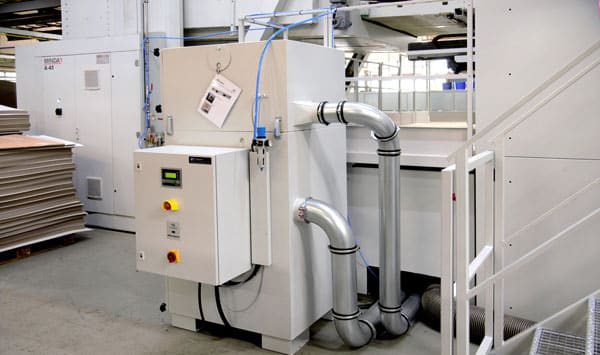
In the industrial realm, where precision and cleanliness are paramount, the importance of an effective sheet steel cleaning system cannot be overstated. Observing the seamless execution of steel surface cleaning may seem mundane, yet it offers a glimpse into the complex interplay of technology, chemistry, and practical engineering. The efficient removal of contaminants from sheet steel surfaces serves not only aesthetic purposes but also enhances the longevity, quality, and performance of the final products. This article delves into the intricacies of sheet steel cleaning systems, illuminating the methodology, technologies employed, and the underlying rationale driving continuous improvements in this field.
The Significance of Sheet Steel Cleaning
The cleaning of sheet steel plays a crucial role in the manufacturing process of various products, from automotive components to structural beams. When steel sheets arrive at the factory, they often bear the marks of their journey: oxidation, oils, grease, and other deleterious substances accumulated during production and transportation. These contaminants can adversely affect welding, coating adhesion, and overall product integrity. Therefore, a robust cleaning system is an essential linchpin in maintaining quality control and operational efficiency.
Types of Contaminants
Different types of contaminants necessitate varied cleaning approaches. Inorganic residues like rust and mill scale require aggressive removal methods, while organic contaminants such as oils and grease demand the use of solvent-based cleaning agents. Understanding the nature of these impurities is critical for selecting the appropriate cleaning technology. The chemical composition of the cleaning agents, temperature, and immersion time can drastically influence the cleaning efficacy.
Methods of Cleaning
Determining the best cleaning method depends largely on the specific contaminants present:
- Chemical Cleaning: This technique employs solvent-based or aqueous cleaners to dissolve and remove contaminants. Chemical cleaning can be further categorized into:
- Alkaline Cleaning: Utilizes alkaline solutions to break down oils and greases. Often employed in tandem with rinse stations to wash away residues, this method is common in large-scale operations.
- Acid Cleaning: Employs acidic solutions to eliminate rust and scale. Caution must be exercised due to the corrosive nature of these materials, necessitating effective post-cleaning treatment to prevent damage.
- Mechanical Cleaning: This method involves physical means to clean surfaces, such as brushing or blasting. Techniques include:
- Sandblasting: Employs high-velocity sand particles to strip away contaminants. While highly effective, this method requires specialized equipment and safety measures due to the potentially hazardous nature of the process.
- Brush Cleaning: Uses rotary brushes to scrub surfaces, ideal for delicate components where damage from abrasive materials needs to be avoided.
- Electrolytic Cleaning: A lesser-known but efficient approach, electrolytic cleaning utilizes electrical currents in conjunction with chemical solutions to enhance contaminant removal. This method is particularly effective for intricate geometries where traditional mechanical cleaning may fall short.
The Advanced Technologies at Play
With the evolution of industrial cleaning technologies, several advanced systems have gained traction:
- Ultrasonic Cleaning: This process employs high-frequency sound waves in a cleaning solution to create cavitation bubbles that effectively dislodge contaminants. Known for its thoroughness, ultrasonic cleaning is especially useful for complex parts with intricate geometries.
- High-Pressure Water Jetting: Utilizing powerful streams of water, this method can remove deep-seated impurities without the use of chemicals. The versatility of high-pressure systems allows for effective cleaning in a myriad of industrial settings.
- Laser Cleaning: An emerging technology, laser cleaning employs high-powered laser beams to vaporize contaminants without damaging the underlying steel. This innovative method minimizes waste and chemical usage, aligning with sustainability goals.
Environmental Considerations
In today’s industrial landscape, environmental stewardship is paramount. Sheet steel cleaning systems are increasingly designed with sustainability in mind. Companies are favoring water-based cleaning agents over traditional solvents, significantly reducing volatile organic compounds (VOCs) emitted during operations. Additionally, closed-loop systems capture and recycle cleaning solutions, minimizing waste and promoting efficient use of resources. These environmentally friendly innovations not only comply with regulatory standards but also enhance a company’s marketability by showcasing commitment to sustainability.
Challenges and Innovations
While the advantages of effective cleaning systems are clear, engineers and manufacturers face challenges such as rising costs and the demand for increased output. Continuous innovations in automation and process optimization are invaluable in overcoming these hurdles. Smart cleaning systems, equipped with IoT (Internet of Things) technology, provide real-time monitoring and analytics, enabling operators to fine-tune processes for maximum efficiency and consistency.
Conclusion
The sheet steel cleaning system is a fascinating amalgamation of science and engineering, pivotal in ensuring the quality and performance of metal products. As we observe the often-overlooked yet critical cleaning process, we recognize its implications beyond mere surface aesthetics. It embodies a commitment to excellence and operational efficiency in manufacturing, paving the way for high-quality, durable products. In a world increasingly governed by sustainability and technological advancement, the evolution of sheet steel cleaning systems represents a compelling journey toward innovation and efficacy, seamlessly integrating tradition and progress in the pursuit of perfection.







Leave a Comment