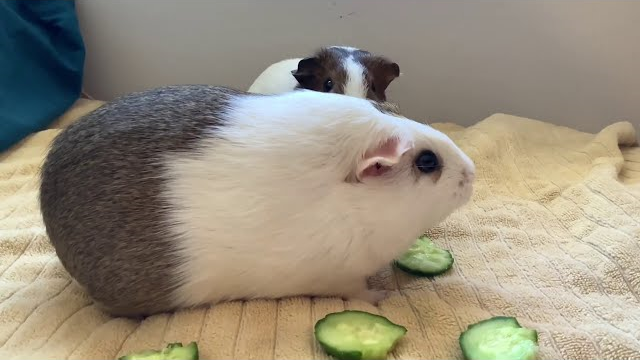
Guinea pigs, often affectionately referred to as cavies, are endearing little creatures that have captivated the hearts of many pet owners. As herbivorous animals, they thrive on a diet that mirrors their natural grazing habits in the wild, necessitating a varied intake of fresh vegetables, hay, and pellets. One common query among guinea pig enthusiasts is regarding the inclusion of cucumbers in their beloved pets’ diet. In this article, we will delve into the nutritional profile of cucumbers, explore their benefits and potential drawbacks, and provide helpful guidelines on how to incorporate this refreshing vegetable into your guinea pig’s meal plan.
Understanding the Nutritional Profile of Cucumbers
Cucumbers are primarily composed of water, making them an excellent source of hydration for guinea pigs. Approximately 95% of a cucumber’s weight is water, which provides a refreshing alternative to standard greens. Beyond hydration, cucumbers offer a variety of essential nutrients, albeit in modest amounts. They contain small quantities of vitamin K, vitamin C, and potassium, all of which contribute to overall health. However, it is crucial to recognize that cucumbers should not be the sole source of nutrition for these small animals.
Hydration Benefits
Due to their high water content, cucumbers can play a significant role in keeping guinea pigs hydrated. This is particularly important during warmer months when the risk of dehydration increases. Including cucumber in their diet can help maintain proper hydration levels, especially when paired with other hydrating leafy vegetables like romaine lettuce or bell peppers. However, water should always be readily available, as cucumbers alone cannot replace the need for fresh, clean drinking water.
Moderation is Key
While cucumbers are safe for guinea pigs, moderation is paramount. Overindulging in this vegetable can lead to digestive disturbances, such as bloating or diarrhea. The fibrous nature of cucumbers can be hard on a sensitive digestive system if fed in excessive quantities. An appropriate serving size is a few thin slices two to three times a week, ensuring that your guinea pig receives a variety of vegetables in addition to cucumbers for a balanced diet.
Easy Ways to Serve Cucumbers
When introducing cucumbers to your guinea pig’s diet, it is beneficial to serve them in a manner that captivates their interest while safeguarding their health. Here are a few appealing methods:
- Raw and Sliced: Simply wash the cucumber thoroughly and cut it into thin slices. This provides a crunchy texture that guinea pigs enjoy.
- Chilled Treat: For an enticing treat, refrigerate the cucumber slices before serving. The chill can be particularly refreshing during hot days.
- Mixed Salad: Combine cucumber slices with a variety of other safe vegetables, such as carrots, bell peppers, and spinach, to create a colorful and nutritious salad.
Potential Drawbacks to Consider
Although cucumbers offer several benefits, certain considerations warrant attention. The fibrous texture can be harder for younger or older guinea pigs to digest as compared to softer leafy greens. Additionally, some guinea pigs may experience gastrointestinal upset if they are not accustomed to new foods, leading to potential discomfort. Always introduce any new food gradually to allow their digestive systems to adapt. Additionally, it is essential to watch for any signs of adverse reactions, such as changes in behavior or stool consistency.
Complementing Cucumbers with Other Vegetables
To provide a well-rounded diet for guinea pigs, it is vital to complement cucumbers with a diverse selection of vegetables. While cucumbers are refreshing, they lack several critical nutrients found in other vegetables. Include leafy greens like kale or parsley, which are rich in vitamins such as A and C, or fibrous options such as carrots and zucchini. The variety not only meets their nutritional needs but also keeps their meals exciting and enticing.
Ensuring Freshness and Quality
When selecting cucumbers for your guinea pig, it is beneficial to prioritize quality and freshness. Opt for organic cucumbers when possible, as they are free from harmful pesticides and chemicals. Inspect the cucumbers for blemishes or soft spots, which may indicate spoilage. Always wash cucumbers thoroughly to remove any residual dirt and potential chemical residues before serving.
Conclusion
In conclusion, cucumbers can indeed be a refreshing and hydrating addition to the diet of guinea pigs, but moderation is key. While they offer hydration and a crunchy texture that many guinea pigs enjoy, they should complement a more diverse diet filled with essential nutrients. Implementing this vegetable wisely not only enhances your pet’s culinary experience but also supports their overall health. As with any aspect of pet care, being observant and responsive to your guinea pig’s individual preferences and reactions will go a long way in ensuring a happy and well-fed companion.








Leave a Comment