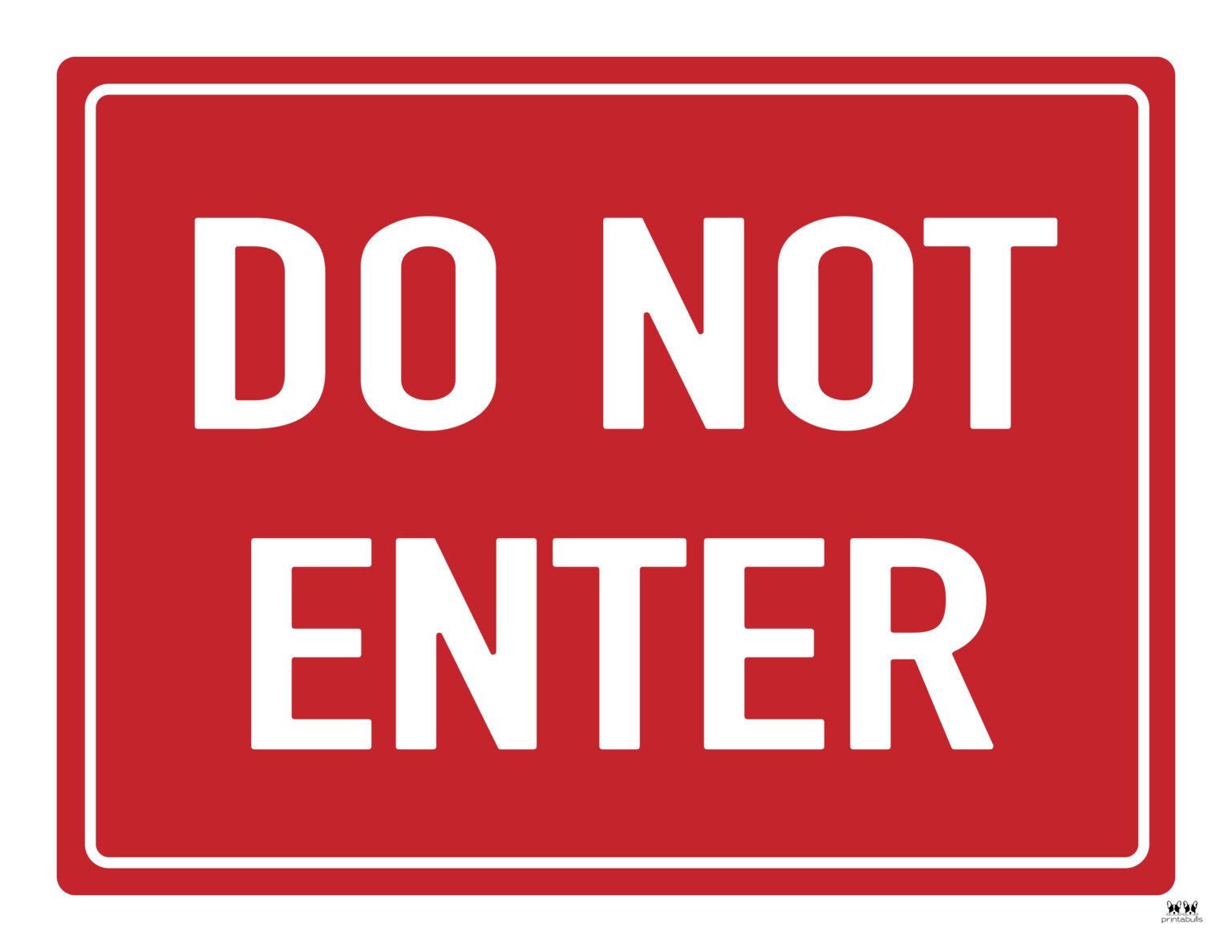
In the vast realm of traffic management and communication, “Do Not Enter” signs serve as paramount indicators guiding both vehicular and pedestrian safety. These signs can often go unnoticed, yet they play a crucial role in preventing accidents and maintaining the fluidity of movement on roads, highways, and private properties. As with any sign, understanding the significance, varieties, and contexts of “Do Not Enter” signs can fortify their impact and enhance compliance. This article delves into the different dimensions of “Do Not Enter” signage, elucidating their applications, design specifics, and legal implications.
The Fundamental Role of “Do Not Enter” Signs
“Do Not Enter” signs function primarily as a prohibition directive. They instruct drivers and pedestrians to refrain from utilizing specific routes or areas deemed hazardous or inappropriate for entry. Generally characterized by red and white coloring, these signs embody a universal language that transcends linguistic barriers, prompting immediate recognition and adherence. Their presence is vital in urban landscapes, where traffic flow can be perplexing and potentially perilous.
Commonly Encountered Types of “Do Not Enter” Signs
There exists a diverse array of “Do Not Enter” signs tailored to meet the contextual needs of different environments. Some prevalent varieties include:
- Standard Traffic Signs: The quintessential “Do Not Enter” sign, featuring a circular shape with a bold red field and a white horizontal bar, can be found at intersections and near one-way streets. Its simplicity is intentional, ensuring drivers can quickly interpret the message.
- Supplemental Signs: Often accompanying standard signs, these provide additional context. For instance, a sign may indicate, “Do Not Enter – One Way,” or “Do Not Enter – Authorized Personnel Only,” delivering crucial information that enhances understanding.
- Pedestrian Variants: In pedestrian-heavy areas, “Do Not Enter” signage may be augmented with icons signaling to foot traffic, indicating paths that are restricted for their safety.
- Construction Signs: Frequent within work zones, these temporary “Do Not Enter” signs help protect both workers and the public. They often feature additional warnings regarding dangers or potential hazards in the vicinity.
Design Considerations for Maximum Visibility
The effectiveness of “Do Not Enter” signs is intrinsically tied to their design. Strong contrast between colors, reflective materials, and strategic placement are all critical elements ensuring that these signs capture attention swiftly. Research highlights the importance of size; larger signs are more effective in areas with higher speeds or dense traffic. Additionally, innovations in LED and digital display technology have ushered in a new era of dynamic signage, allowing messages to adapt to varying conditions such as time of day or specific traffic circumstances.
Legal Considerations and Compliance
Compliance with “Do Not Enter” signs is not merely a matter of etiquette; it is a legal obligation. Ignoring these signs can lead to traffic citations, accidents, and increased liability. The legal framework surrounding road signage is often dictated by local, state, and national guidelines, which stipulate standards for placement, size, and even the wording of such signs. Furthermore, understanding liability issues is crucial for property owners; failing to adequately mark “no entry” zones can result in legal ramifications should an accident occur.
Psychological Impact of “Do Not Enter” Signs
The effect of “Do Not Enter” signs extends beyond mere compliance; they also play a significant psychological role in shaping behavior. The color red is universally associated with danger and caution, evoking an immediate response of alertness. Research indicates that clear visual signals not only deter undesirable behavior but also foster a general sense of order and safety in an environment. When individuals recognize and respect such signage, the collective safety of the community is enhanced.
Challenges in Sign Implementation and Maintenance
The installation and upkeep of “Do Not Enter” signs present distinct challenges. Environmental factors can lead to wear and tear, diminishing their effectiveness over time. Weather conditions such as rain, snow, and extreme sunlight can fade signs or obscure their visibility. Communities and municipalities must adopt regular maintenance schedules to ensure these critical indicators remain in optimal condition. Moreover, ongoing education and awareness campaigns can help reinforce the importance of these signs within public consciousness.
Future Trends in Traffic Signage
As society progresses toward smarter urban planning, the evolution of “Do Not Enter” signs is inevitable. Emerging technologies such as augmented reality and artificial intelligence may revolutionize the way these messages are communicated, integrating real-time data to inform road users dynamically. Future signage could provide context-sensitive guidance that adapts to traffic conditions, weather, or even accidents, thereby enhancing overall roadway safety.
Conclusion
“Do Not Enter” signs stand as vital guardians of public safety in both urban and rural contexts. Their varied forms, design considerations, and compliance regulations reflect the multifaceted nature of roadway management. As traffic systems continue to evolve, these signs will undoubtedly adapt to meet new challenges, ensuring that they remain effective beacons of guidance for generations to come. Understanding their significance not only promotes adherence but also cultivates a culture of responsibility and vigilance among all road users.











Leave a Comment