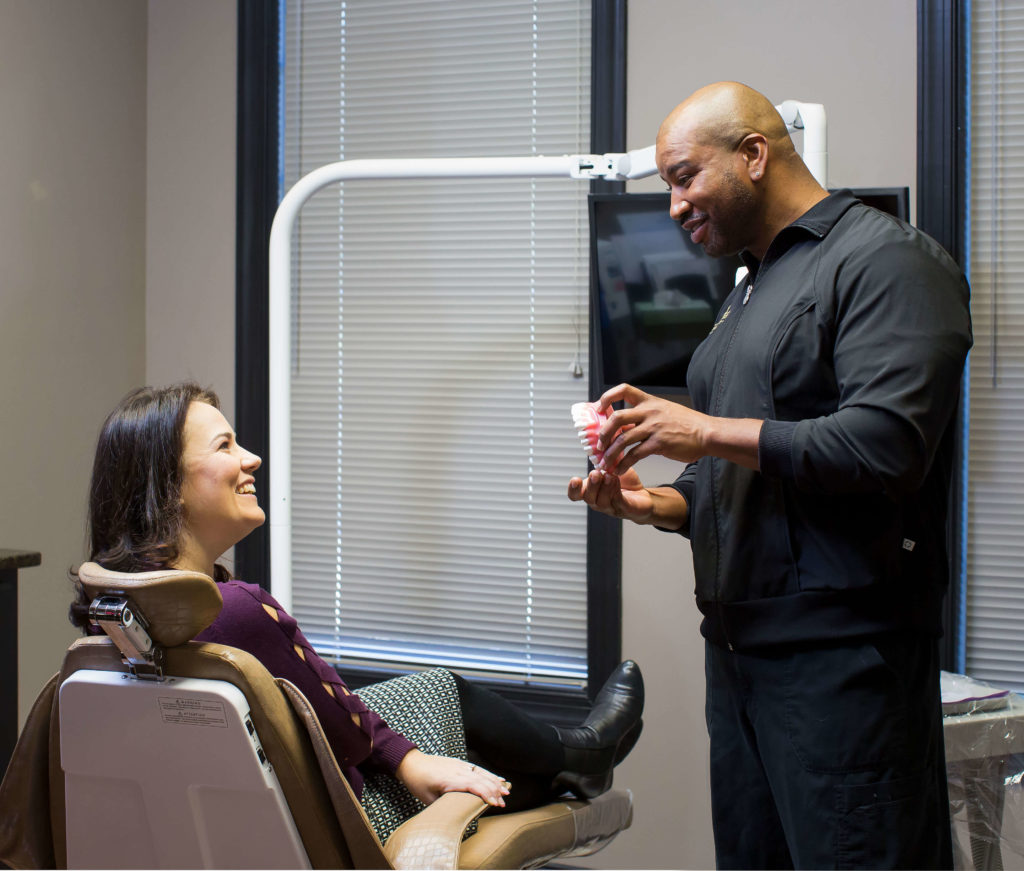
The journey to dental restoration can sometimes feel like traversing a daunting, uncharted landscape. When faced with the absence of a tooth, the interim waiting period until an implant can be placed often evokes anxiety. This leads many to seek a temporary solution—a standing bridge, a fleeting yet crucial sculpture amidst the void. A temporary tooth serves not merely as a placeholder; it’s akin to a lighthouse guiding you through the fog, offering not just aesthetic satisfaction, but also functional benefits essential for daily living. In this exploration, we delve into the intricate world of temporary teeth while awaiting an implant—or, as some might call it, the art of ephemeral edentulousness.
1. Understanding Temporary Teeth
Temporary teeth, often crafted from resin or acrylic, serve as a symbolic expression of resilience while the permanent solution is on the horizon. They are designed to mimic the form and appearance of natural teeth, restoring one’s smile and functionality in its most rudimentary sense. Yet, beyond aesthetics, these temporary devices provide a critical role in maintaining oral health. They help preserve the alignment of adjacent teeth, prevent shifting, and hold space for future implants, much like a skilled conductor leading an orchestra of dental harmony.
2. The Role in the Overall Dental Process
When extracting a tooth in anticipation of an implant, the jawbone beneath begins a phase of reabsorption, as if the bone were bidding farewell to its erstwhile companion. A temporary tooth intervenes, staving off the effects of this process—acting as a steward of the jaw’s integrity. It allows patients to maintain a semblance of normalcy, both socially and functionally, ensuring they can speak, chew, and smile with confidence. This interim measure can serve as the bridge between a frustrating gap and the eventual restoration of one’s dental architecture.
3. Types of Temporary Teeth
There exists an array of options for temporary teeth—each crafted with unique materials and methodologies tailored to individual circumstances. Common choices include:
- Flipper Dentures: Often deemed as the butterfly of temporary solutions, these lightweight and removable options offer users the flexibility of a removable piece that can be donned or removed at will.
- Partial Dentures: A more robust alternative, partial dentures integrate into existing teeth while providing a secure fit, much like a well-tailored garment.
- Fixed Temporary Bridges: Cemented in place and offering an elevated level of security, fixed bridges ensure that users don’t have to worry about stability while they await their permanent installation.
4. The Process of Getting a Temporary Tooth
Acquiring a temporary tooth is akin to commissioning a bespoke piece of art. It begins with a meticulous consultation wherein dental professionals assess the individual’s unique needs—much like an artist seeking inspiration. This is followed by impressions of the mouth, ensuring an optimal fit tailored to the contours of one’s dental landscape. In the following appointment, the temporary tooth is fitted and adjusted. This careful calibration is paramount; discomfort or incorrectly positioned temporary teeth can be both visually unappealing and physically untenable.
5. Caring for Your Temporary Tooth
Just as one tends to a delicate flower, so too must a temporary tooth be cared for with diligence. Proper maintenance is crucial to prolonging its functional lifespan and preserving oral health. Daily oral hygiene practices such as gentle brushing and rinsing with non-abrasive mouthwashes should be adhered to. Avoiding sticky or hard foods can prevent undue pressure on the temporary tooth, shielding it from dislodgment or damage—a fundamental consideration during this delicate waiting period.
6. Psychological and Social Implications
The psychological aspects of losing a tooth cannot be overstated; the absence can elicit feelings ranging from embarrassment to self-consciousness. Temporary teeth mitigate these insecurities. They empower individuals to partake in social engagements without the fear of being judged—a mask of security in the theatre of life. The smile, after all, is one of our most expressive features, playing an integral role in social interactions. Maintaining this accessible form of expression, even amidst dental transitions, contributes immensely to an individual’s overall sense of well-being.
7. Timing and Duration
A temporary tooth is, by definition, transient; its presence is generally limited to the waiting period for an implant, typically spanning a few months. During this time, essential planning occurs: evaluations of the jaw structure, meticulous scrutiny of the healing process, and preparation for the final implant that is set to restore the permanence of one’s smile. Understanding that this transitional period is not just a placeholder, but a significant segment of the overall dental journey, positions the temporary tooth in a shimmering legacy rather than mere ephemerality.
Conclusion
In the grand narrative of oral health, the temporary tooth serves not merely as a stopgap but rather as a vibrant testament to the human experience. It bridges the gap between loss and restoration, guiding one through the storm and leading to smoother waters ahead. As you navigate the challenges of your dental journey, remember that this temporary solution is more than a mere shadow of the could-be; it is a critical player in your quest for completeness, an unsung hero, albeit temporarily embodied in resin or acrylic, that plays a core role in the symphony of your smile.









Leave a Comment