Raccoons, those masked bandits of the night, are a common sight in many urban and rural landscapes. Known for their dexterous front paws and inquisitive nature, these creatures exhibit fascinating behaviors and survival strategies. One question that often arises is whether raccoons hibernate during the winter months. In this article, we will explore various aspects of raccoon behavior in relation to winter, examining their habitats, activities, and physiological adaptations that shape their lifestyle.
Understanding Raccoons’ Winter Behavior
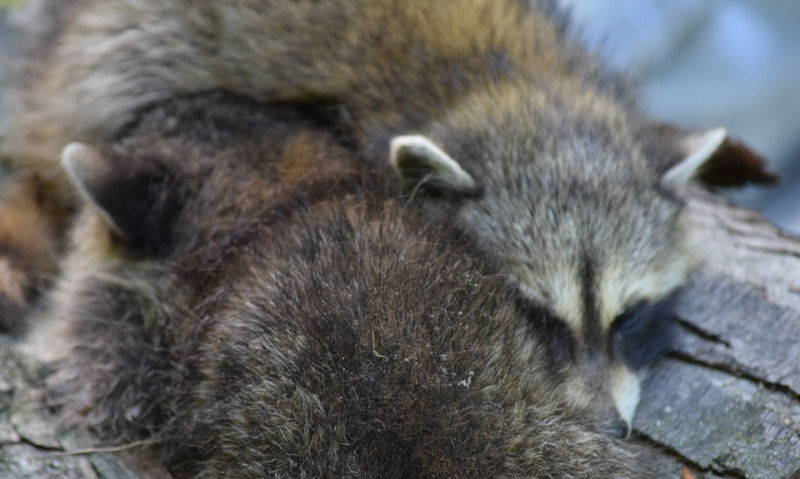
Unlike bears and some other mammals, raccoons do not hibernate in the traditional sense. However, they do enter a state known as torpor, which is marked by reduced metabolic activity and a decrease in body temperature. This semi-hibernation allows them to conserve energy during the colder months when food sources become scarce. Basking in the warmth of a den or sheltered area, raccoons can significantly lower their energy expenditure while still remaining somewhat alert to their surroundings.
The Role of Habitat
Raccoons have adapted well to a variety of habitats, including forests, wetlands, and urban environments. In winter, their choice of den becomes imperative for survival. They often seek out tree cavities, rock crevices, or even human-built structures to provide shelter from the biting cold. These dens act as sanctuaries where they can retreat, minimizing exposure to harsh weather conditions. During the winter months, the location and insulation of their shelters become crucial in maintaining thermal comfort.
Feeding Strategies Before Winter
As the leaves begin to change color and temperatures drop, a raccoon’s priority shifts toward foraging for food to build up fat reserves. This period, often referred to as the hyperphagic phase, is characterized by increased feeding behavior. Raccoons are opportunistic omnivores, consuming a diverse diet that includes fruits, nuts, insects, small mammals, and even human garbage. The plundering of bird feeders and dumpsters becomes an all-too-familiar sight as raccoons stockpile essential nutrients for their winter retreat.
Physiological Changes
When facing the winter months, raccoons undergo several physiological changes that prepare them for survival. As food becomes scarce, their metabolism adjusts, allowing them to conserve energy more efficiently. Their heart rate slows, enabling them to maintain a reduced level of activity. Additionally, the fat accumulated during the autumn months acts as an energy reservoir during times when foraging is less fruitful. This adaptation not only allows them to survive but also to thrive despite the decreased availability of food resources.
Social Behavior in Winter
Interestingly, raccoons also exhibit intriguing social dynamics during the winter months. While they are predominantly solitary animals, some may group together for warmth. These temporary associations can lead to complex interactions, as they share resources and take turns keeping watch while one or more individuals forage. This behavior exemplifies their ability to adapt socially to environmental pressures, ensuring survival even in the bleakest of conditions.
Impact of Urbanization
The proliferation of urban environments has significantly influenced raccoon behavior during the winter. Cities provide abundant food sources, often resulting in raccoons remaining active throughout the winter months instead of retreating into dens. The challenge of finding consistent nourishment in the wild has led many raccoons to become adept scavengers, foraging through trash and seeking out easy meals in urban landscapes. This adaptability has contributed to an increase in raccoon populations in metropolitan areas, as they thrive in conditions that would typically challenge other wildlife.
Risks Faced During Winter
While raccoons have adapted remarkably well to survive the winter, they face several challenges that may impact their survival rates. Harsh weather conditions can lead to increased mortality, particularly for young or weakened individuals. Additionally, the scarcity of food can lead to competition among raccoons, both with one another and with other wildlife. Increased human activity during winter months can also pose risks, exposing raccoons to vehicles and other dangers as they navigate urban environments in search of sustenance.
Conclusion: The Resilience of Raccoons
In conclusion, while raccoons do not hibernate in the traditional sense, their ability to enter torpor and adapt their behavior and physiology during the winter months exemplifies their resilience as a species. Through strategic feeding, clever social behaviors, and the utilization of diverse habitats, these resourceful creatures continue to thrive in varied environments. Understanding their winter behavior not only highlights their unique adaptations but also underscores the importance of coexisting with such resilient wildlife in our increasingly urban world. As winter approaches, observing raccoons as they navigate the challenges of the season can provide insightful glimpses into the complexities of their lives and the natural world they inhabit.











Leave a Comment