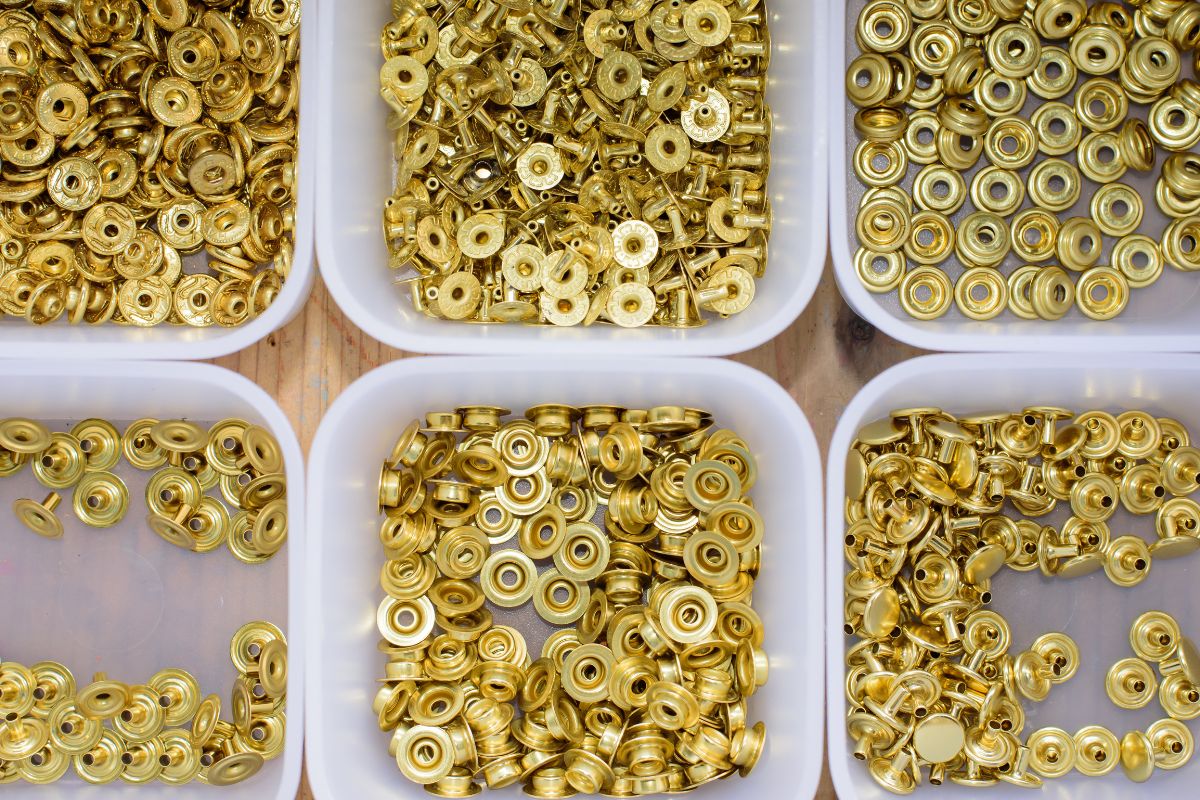
Brass, a lustrous alloy forged from the union of copper and zinc, possesses a unique allure that has captivated artisans for centuries. From musical instruments to ornate fixtures, its vibrant golden hue has adorned homes and public spaces alike, basking in the glow of admiration. Yet, beneath its gleaming exterior lies a secret known to many: brass can, over time, metamorphose into a verdant patina, reminiscent of the lush verdure that envelops nature’s landscapes. But what does this transformation entail, and why do some find beauty in the once brilliant metal’s greenish cloak?
To delve into the phenomenon of brass turning green, one must first understand the chemistry at play. Brass is composed mainly of copper, and it is this very metal that holds the key to its eventual color change. When exposed to the whims of environmental elements, particularly when subjected to moisture, oxygen, and various pollutants, copper undergoes oxidation. This process is akin to a dancer caught in an unexpected tempest, shifting and changing with each gust of wind. As the copper oxidizes, it produces a compound known as copper carbonate, often manifesting as a greenish hue. This patina, often seen on aged structures or antique brass elements, serves as a protective layer. Like a guardian shielding the core, it can help prevent further corrosion.
At this juncture, it is important to differentiate between the aesthetic appeal of tarnished brass and the perceptions surrounding this transformation. For some, the verdigris patina represents a romantic notion; it’s the hallmark of time’s passage and an emblem of nature reclaiming its space. Picture a forgotten brass fountain in a secluded garden, draped in emerald green. This enchanting image evokes a sense of nostalgia, a whisper of stories untold. The interplay between the earthy tones of green and the radiant gold of the exposed brass creates a striking visual contrast that many find irresistible.
Yet, the journey of brass doesn’t end with mere transformation. The path it follows can vary widely based on numerous factors. Humidity plays a pivotal role in accelerating the corrosion process. In humid climates, moisture content in the air acts like a catalyst, prompting the oxidation to occur more rapidly. Conversely, arid climates may prolong the alloy’s gleam. Similarly, exposure to pollution can expedite this change, as airborne particulates gather upon brass surfaces, hastening the onset of the verdigris hue. Therefore, each piece of brass carries with it a unique narrative, shaped by its environment and the conditions it endures.
The maintenance of brass is another factor to consider in this narrative. Keeping brass polished can stave off oxidation and preserve its golden charm. Regular cleaning with suitable agents ensures that the natural oil residues do not accumulate, which can hasten the tarnishing process. Vinegar, lemon juice, and a little elbow grease can work wonders, reminiscent of a craftsman bringing life back to a forgotten artifact. Polishing brass can feel akin to unearthing a buried treasure, revealing layers of brilliance that were hidden beneath the surface.
However, there exists a faction of admirers who embrace the green patina. For them, it signifies a deeper connection to the passage of time and the natural world. This philosophy echoes the principles of rustic aesthetics, wherein age and imperfection are celebrated rather than shunned. The verdigris becomes a conversation starter, a testament to the beauty of impermanence. It suggests a story of resilience, much like the aged trees that stand steadfast against the ravages of time, adorned with moss and lichen.
As one contemplates the duality of brass—its potential for brilliance and its capacity for verdancy—it invites reflection on our own perceptions of beauty. What is it that draws us to the sleek sheen of new metal versus the timeworn elegance of aged patina? In a world that often seeks the polished and perfect, the allure of a green-tinged brass speaks to our appreciation for the natural cycle of life and decay. It’s a reminder that beauty can be found in imperfection, in changes that hint at the passage of time.
In conclusion, the metamorphosis of brass into a green-hued patina is a testament to the delicate dance between nature and human craftsmanship. This transformation, born from oxidation, offers a captivating glimpse into the interplay of elements that shape our surroundings. Whether one chooses to maintain the alloy’s initial sheen or embraces its verdant evolution, the journey reflects deeper themes of time, beauty, and the stories that linger in the echoes of our artifacts. Brass, with its capacity to transition from brilliant gold to serene green, becomes more than a mere material; it emerges as a symbol of life’s unwavering flow—a narrative wherein every facet is worthy of appreciation.









Leave a Comment