When discussing common household nuisances, mold might not immediately come to mind as a significant threat. Yet, its presence can herald a sequence of health issues that are often underestimated. Among these, the relationship between mold exposure and headaches warrants a deeper exploration. Could the very spores that proliferate in our damp corners be the unseen culprits behind our recurrent headaches? The answer might lead you to reassess your living environment and the impact it has on your health.
In this article, we shall delve into the intricacies of mold, its types, the mechanisms through which it affects our wellbeing, and most notably, its potential to induce headaches. As we unpack these layers, prepare to have your perceptions challenged and your curiosity piqued.
Understanding Mold: An Overview
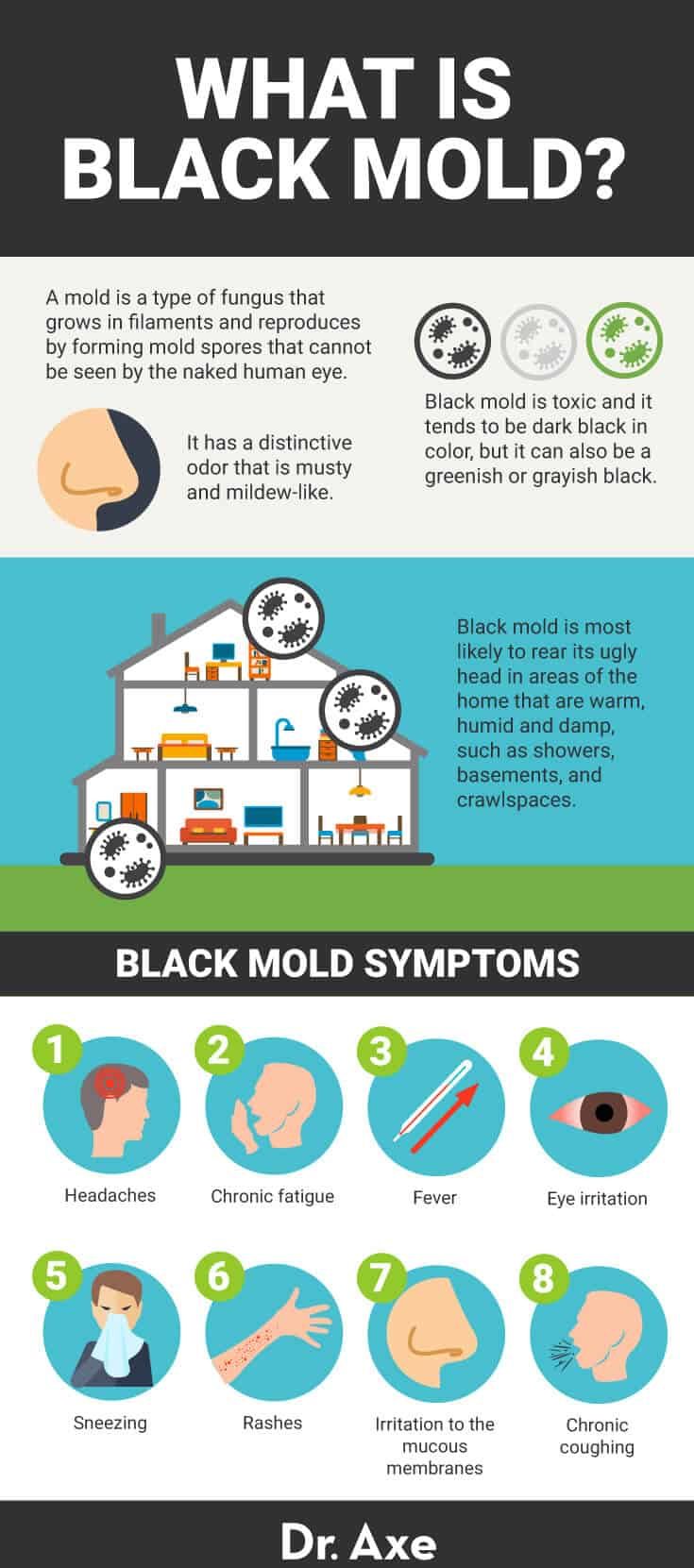
To grasp the impact of mold on our health, it is essential to comprehend what mold actually is. Mold is a type of fungus that thrives in moist, warm environments. It reproduces through tiny spores that can easily become airborne, infiltrating our homes and workplaces. Not all molds are created equal; commonly encountered types include Aspergillus, Penicillium, and Stachybotrys, often referred to as black mold. Each of these molds can produce various mycotoxins, substances that pose health risks when inhaled or ingested.
Contrary to common belief, exposure to mold is not limited to overtly visible infestations. Even a minor, seemingly benign patch growing behind a wall could be a reservoir of spores that contribute significantly to indoor air pollution. This revelation prompts a crucial inquiry—how does mold infiltrate our biological systems, and what are the repercussions?
The Link Between Mold and Headaches
Headaches are an enigmatic phenomenon, often multifactorial in origin. They can be triggered by a range of factors including stress, dehydration, tension, and yes, environmental variables such as mold. When mold spores are inhaled, they can lead to an array of symptoms due to an inflammatory response, particularly in individuals with heightened sensitivities or pre-existing respiratory conditions.
A closer examination reveals that mold exposure can incite allergic reactions. These reactions may manifest not only as sneezing or coughing but also as migraine-like symptoms that can plague individuals intermittently. Such headaches can be dismissed as mere discomfort, yet they may signify an underlying allergic response or sensitivity to mycotoxins released by mold.
Understanding Symptoms: How to Recognize Mold-Induced Headaches
Recognizing headaches associated with mold exposure can be challenging, but certain indicators may assist in making this connection clearer. Common symptoms include:
- Location of Pain: Headaches may localize in specific regions, often in the forehead or temples, reminiscent of tension headaches.
- Timing: Pay attention to when headaches occur. If they coincide with mold exposure—such as damp basements or old homes—this correlation may be significant.
- Accompanying Symptoms: Allergic responses such as nasal congestion, itchy eyes, or skin irritations may accompany headaches, indicating a broader reaction to mold.
Indeed, the cumulative impact of these headaches can interfere with daily activities, from work obligations to personal routines, pushing individuals to seek respite from an invisible adversary.
Assessing the Environment: Is Your Home a Mold Haven?
Exposure to mold is intricately tied to one’s environment. Identifying mold-prone areas within your domicile is paramount. Inspect areas that exhibit higher humidity levels—bathrooms, kitchens, and basements. Siinking your curiosity deeper, look for discoloration or water damage patterns that may indicate hidden mold colonies.
The role of ventilation cannot be overstated. Proper airflow can mitigate moisture retention, which inhibits mold growth. Ensuring that your home is adequately ventilated and using dehumidifiers in susceptible areas can serve as proactive measures to maintain a healthier environment.
What Can Be Done? Seeking Solutions
Once you suspect that mold may be contributing to your headaches, steps toward remediation are essential. Here are several solutions tailored to combat the dilemma:
- Professional Assessment: Engage a mold remediation specialist to conduct a thorough evaluation. They can identify hidden mold sources and provide tailored solutions.
- Regular Cleaning: Engage in routine cleaning of damp areas with appropriate mold-inhibiting cleansers. This practice reduces the proliferation of spores and their consequent airborne threats.
- Seek Medical Advice: If headaches persist, consult a healthcare professional. They may prescribe antihistamines or advise on allergy testing to ascertain sensitivities related to mold.
Taking proactive measures not only enhances your home environment but also safeguards your health from potential mold-related complications.
Conclusion: A Paradigm Shift in Perception
The relationship between mold and headaches is one that calls for vigilance and awareness. Mold is more than just an unsightly blemish on walls; it is an environmental agent that can unveil a spectrum of health challenges. By understanding the nuances of mold exposure and its repercussions, you can embark on a journey toward a healthier living space, ultimately transforming your approach to home care. Adopting this newfound perspective may not only alleviate headaches but also shield you from a myriad of health complications, ushering you toward a more harmonious existence within your own walls.










Leave a Comment